
How Formula 1 Continues to Shape Modern Road Cars.
Formula 1 is more than the pinnacle of motorsport. Its relentless pursuit of innovation continues to shape the engineering, safety, aerodynamics, and hybrid technologies found in today's road cars.

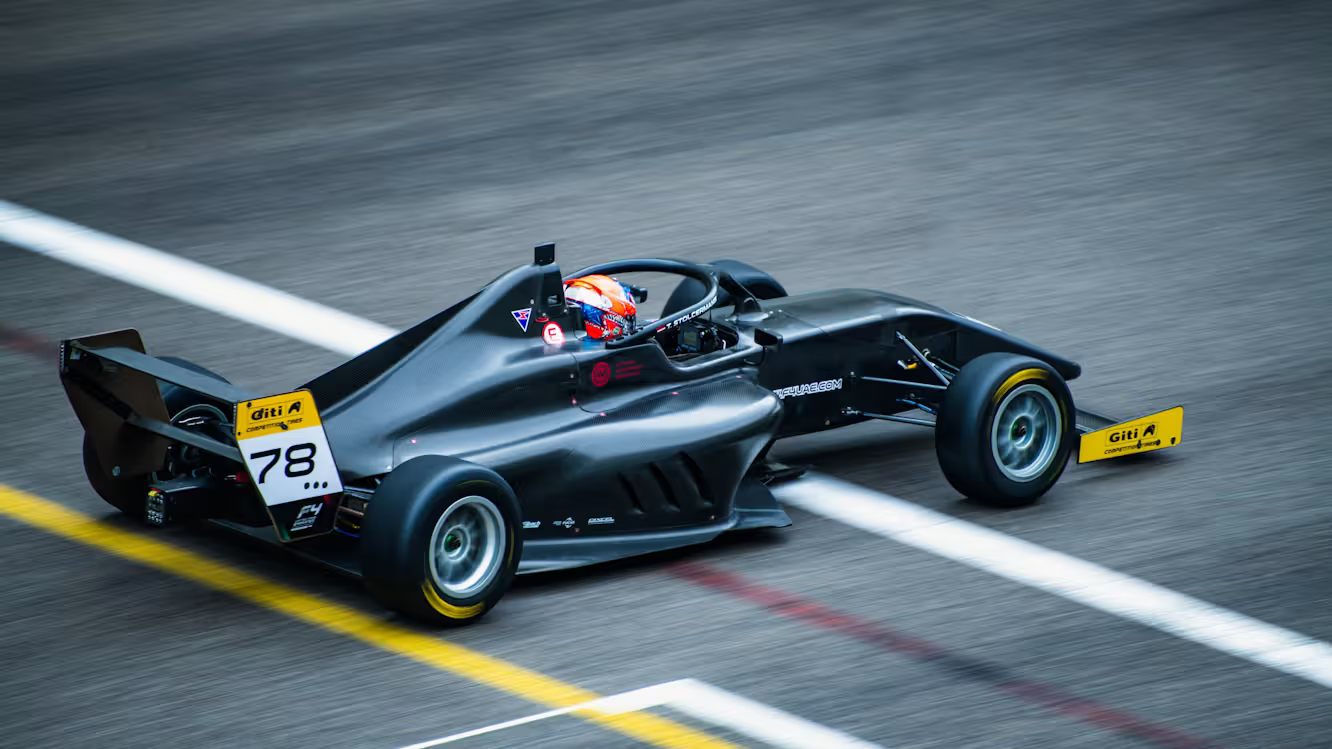
Formula 1 is often celebrated for breathtaking speed, legendary circuits, and fierce competition, but its greatest achievement may be something far less visible. Beyond the podium celebrations and championship battles, Formula 1 serves as one of the world's most advanced engineering laboratories, where every fraction of a second encourages new ideas that eventually influence the cars we drive every day.
For decades, manufacturers have used the sport to develop technologies capable of improving performance, efficiency, reliability, and safety. Engineers work within demanding technical regulations, constantly searching for smarter materials, improved aerodynamics, and more efficient powertrains. While not every innovation reaches public roads unchanged, many eventually inspire solutions that appear in performance cars, luxury grand tourers, and even everyday passenger vehicles.
This continuous exchange between racing and road cars has become one of Formula 1's defining contributions to the automotive industry. It demonstrates that motorsport is about far more than winning races—it is about accelerating innovation through relentless experimentation and precision engineering.
Where Innovation Is Tested Under Pressure
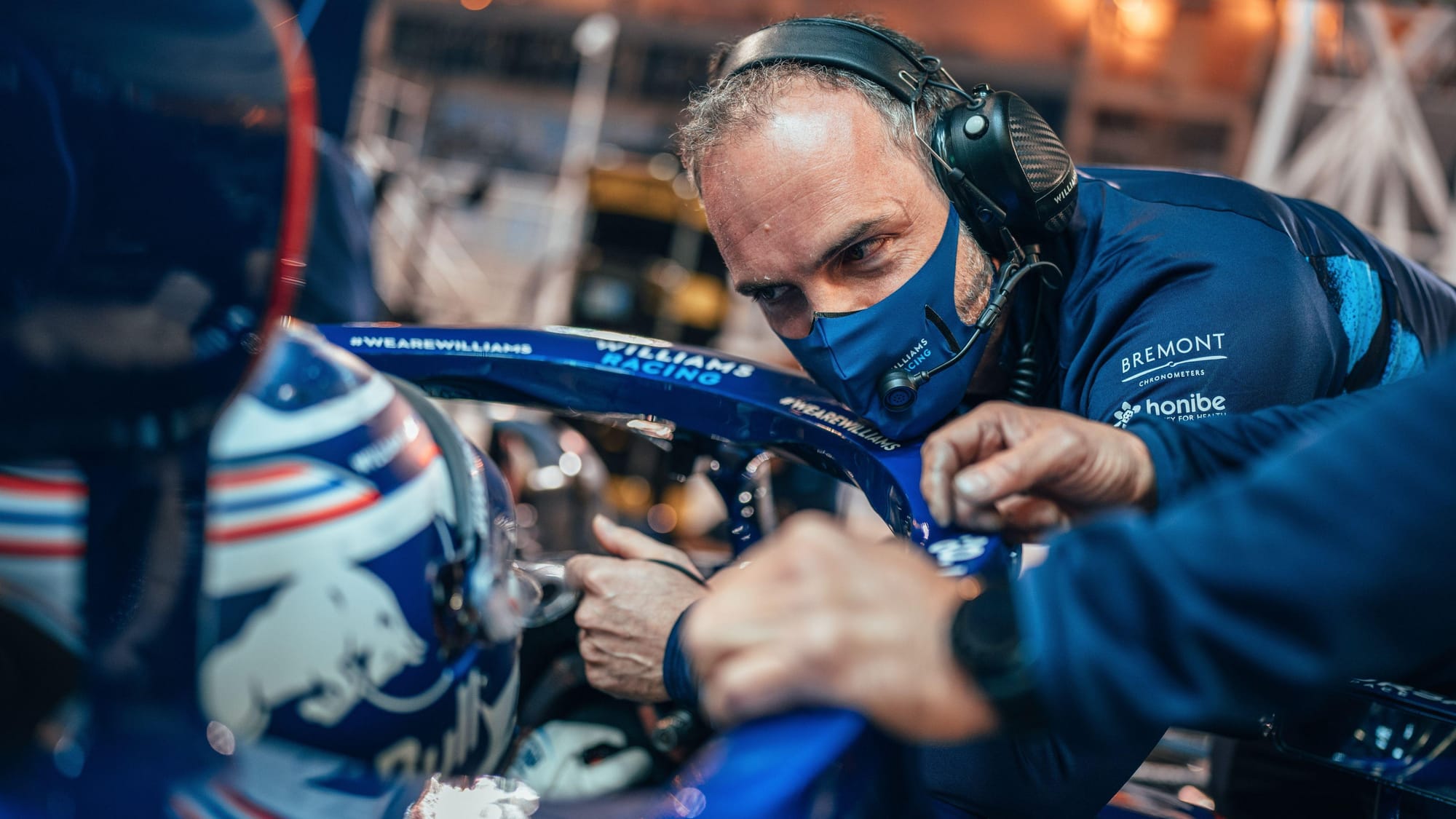
Unlike conventional automotive development, Formula 1 engineering operates under extraordinary conditions. Every race weekend becomes a real-world laboratory where components are tested at extreme speeds, exposed to immense aerodynamic loads, rapid temperature changes, and relentless mechanical stress.
Success depends on constant refinement rather than occasional breakthroughs. Engineers analyse enormous amounts of data after every practice session, qualifying lap, and race, searching for opportunities to improve efficiency by the smallest measurable margin. A redesigned suspension component, revised aerodynamic surface, or improved cooling solution may appear insignificant on its own, yet together these incremental gains can transform overall performance.
This philosophy of continuous improvement has become one of Formula 1's greatest contributions to automotive engineering. Rather than waiting years between major developments, teams evolve their designs throughout a season, creating an environment where innovation becomes part of everyday work.
Many of these engineering principles later influence road-car development. Manufacturers involved in Formula 1 frequently adapt lessons learned from competition, applying them to production vehicles that benefit from improved efficiency, stronger materials, and more advanced engineering solutions.
Aerodynamics Beyond the Race Circuit
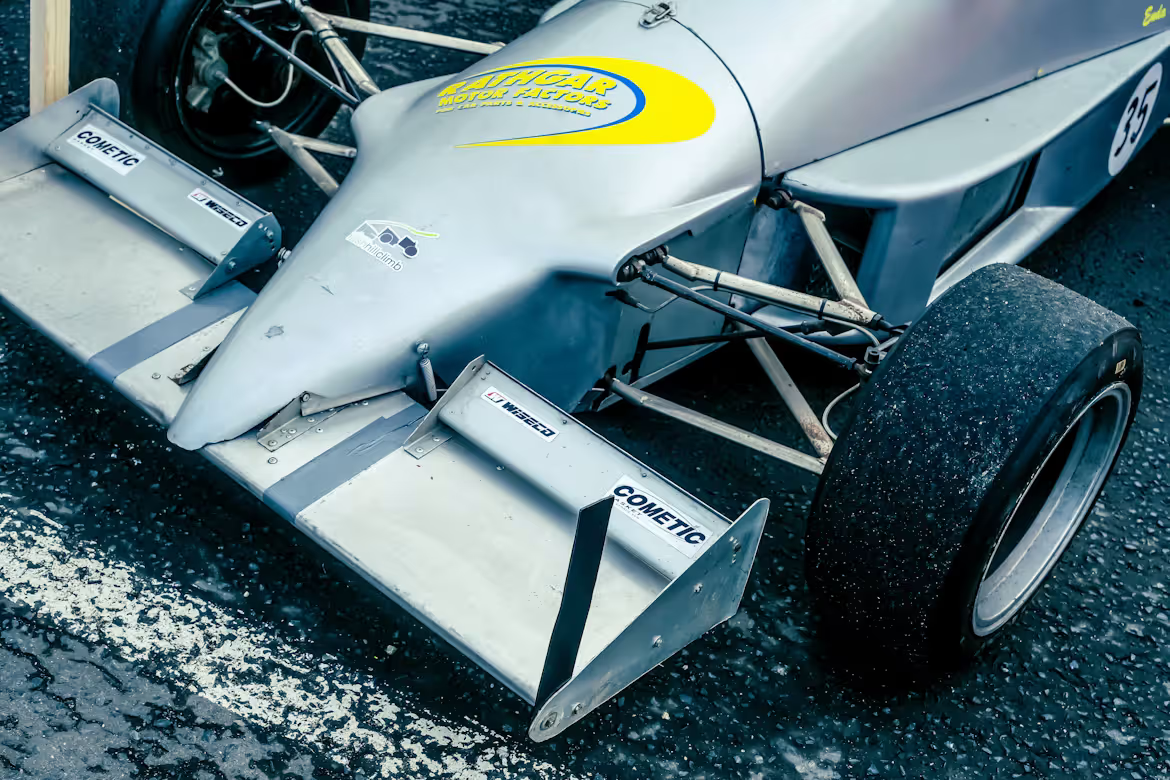
One of Formula 1's most influential contributions to modern road cars is its understanding of aerodynamics. Every wing, floor, diffuser, brake duct, and cooling inlet is carefully designed to manage airflow with extraordinary precision. While production vehicles do not require the same levels of downforce as racing machines, the principles developed through Formula 1 continue to shape high-performance automotive design.
Modern supercars use active aerodynamic systems that automatically adjust according to speed and driving conditions, improving stability while reducing drag during everyday driving. Carefully sculpted body panels channel cooling air to engines and brakes, while underbody airflow contributes to efficiency and high-speed confidence.
Even manufacturers producing luxury road cars increasingly rely on computational fluid dynamics and wind tunnel testing—methods refined extensively within motorsport—to improve fuel efficiency, reduce wind noise, and enhance overall stability.
The influence of Formula 1 therefore extends well beyond performance. It demonstrates how intelligent airflow management can improve safety, efficiency, comfort, and handling simultaneously.
Hybrid Technology That Started on the Track
One of Formula 1's most significant contributions to modern road cars is the development of advanced hybrid powertrains. While hybrid technology existed before its introduction to Formula 1, the sport transformed how engineers viewed energy efficiency and performance working together.
Modern Formula 1 power units recover energy that would otherwise be lost during braking and from the turbocharger, storing it for later use when maximum acceleration is required. This approach demonstrated that electrification could enhance performance rather than simply reduce fuel consumption.
Today's performance road cars increasingly follow the same philosophy. Hybrid supercars combine internal combustion engines with electric motors to deliver immediate torque, smoother power delivery, and improved efficiency. Rather than replacing the driving experience, these systems complement it, providing stronger acceleration while maintaining the character expected from high-performance automobiles.
Formula 1 proved that sustainable engineering and thrilling performance are not opposing ideas. Instead, they can work together to create faster, smarter, and more capable vehicles.
"Every breakthrough on the circuit has the potential to become tomorrow's everyday innovation."
Lightweight Materials and Smarter Engineering
Formula 1 engineers understand that reducing weight often delivers greater benefits than simply increasing engine power. Every component is carefully designed to remove unnecessary mass while maintaining exceptional strength and reliability.
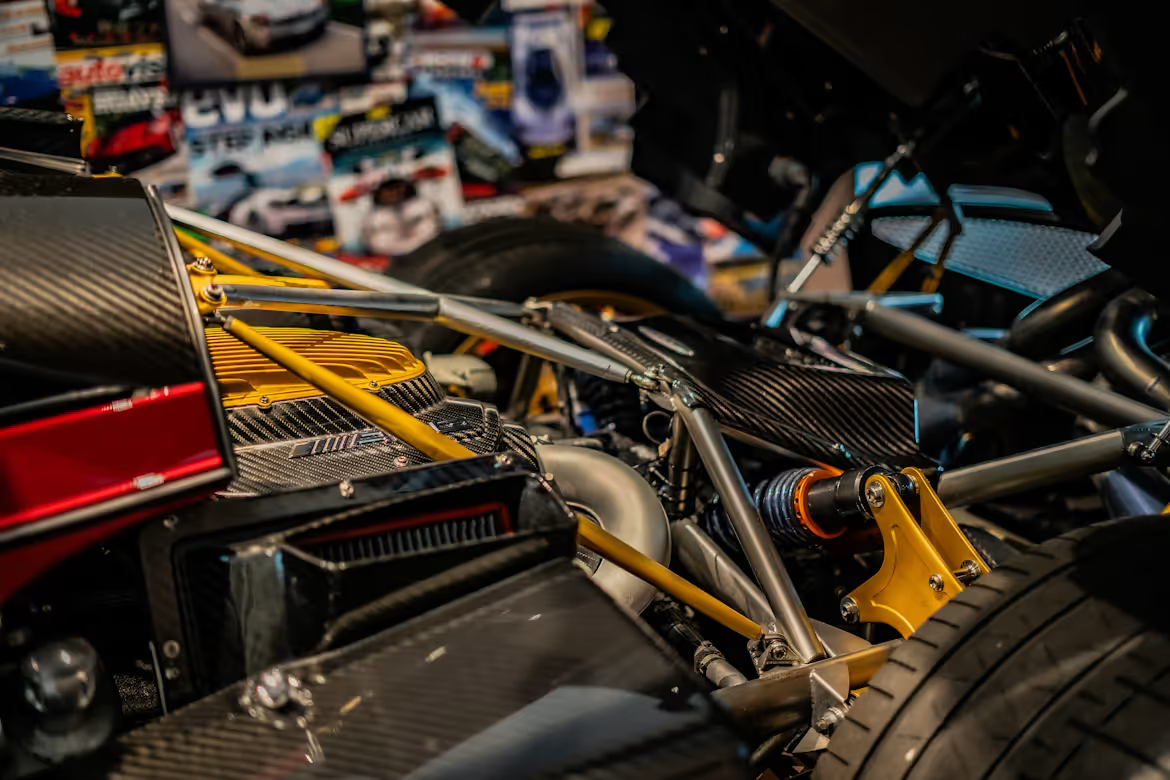
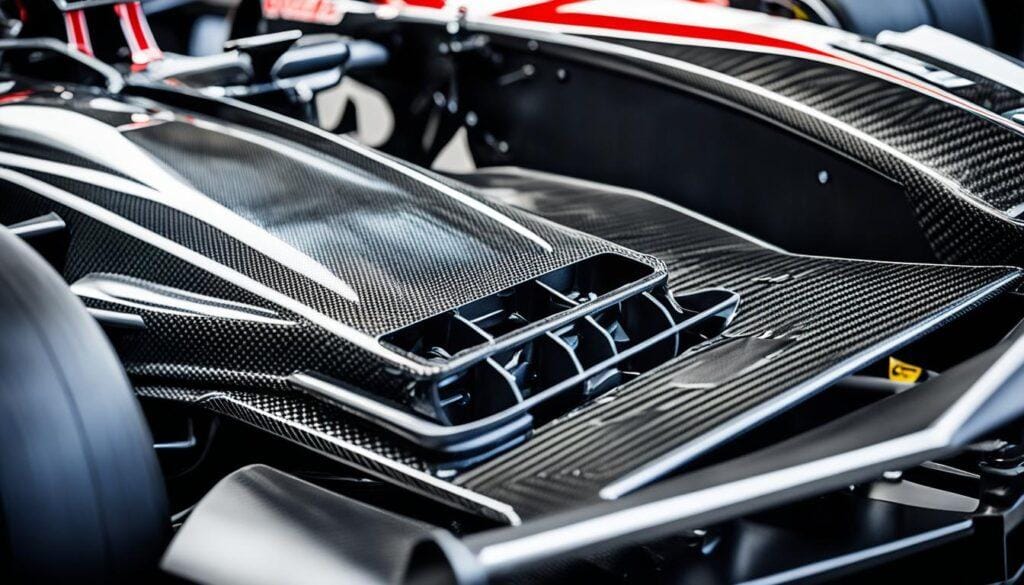
This philosophy accelerated the development of advanced materials such as carbon fiber composites, lightweight alloys, and titanium components. Many of these technologies have gradually become common within modern supercars, sports cars, and luxury performance vehicles.
Carbon-fiber passenger cells improve structural rigidity while reducing weight. Lightweight suspension components enhance handling precision, while advanced manufacturing techniques allow engineers to create stronger yet more efficient parts throughout the vehicle.
The influence extends beyond exotic automobiles. Improved production methods developed for motorsport have helped manufacturers build lighter, safer, and more efficient road cars across multiple segments.
Raising the Standard for Automotive Safety
Although Formula 1 is one of the fastest forms of motorsport, it has also become one of the safest. Decades of research into crash protection have produced innovations that extend far beyond the racetrack.
Advanced crash structures, stronger survival cells, improved helmet technology, fire-resistant materials, and sophisticated impact analysis have all contributed to higher safety standards. Engineers continuously study real-world incidents to understand how vehicles absorb energy and protect occupants during severe impacts.
Many of these lessons have influenced road-car development. Modern passenger vehicles benefit from stronger occupant protection, improved crash testing methods, better restraint systems, and increasingly sophisticated structural engineering. While production cars differ significantly from Formula 1 machines, the underlying objective remains the same: protecting human life through intelligent engineering.
This ongoing commitment to safety demonstrates that Formula 1's greatest legacy is not simply speed but continuous progress.
The Ultimate Engineering Laboratory
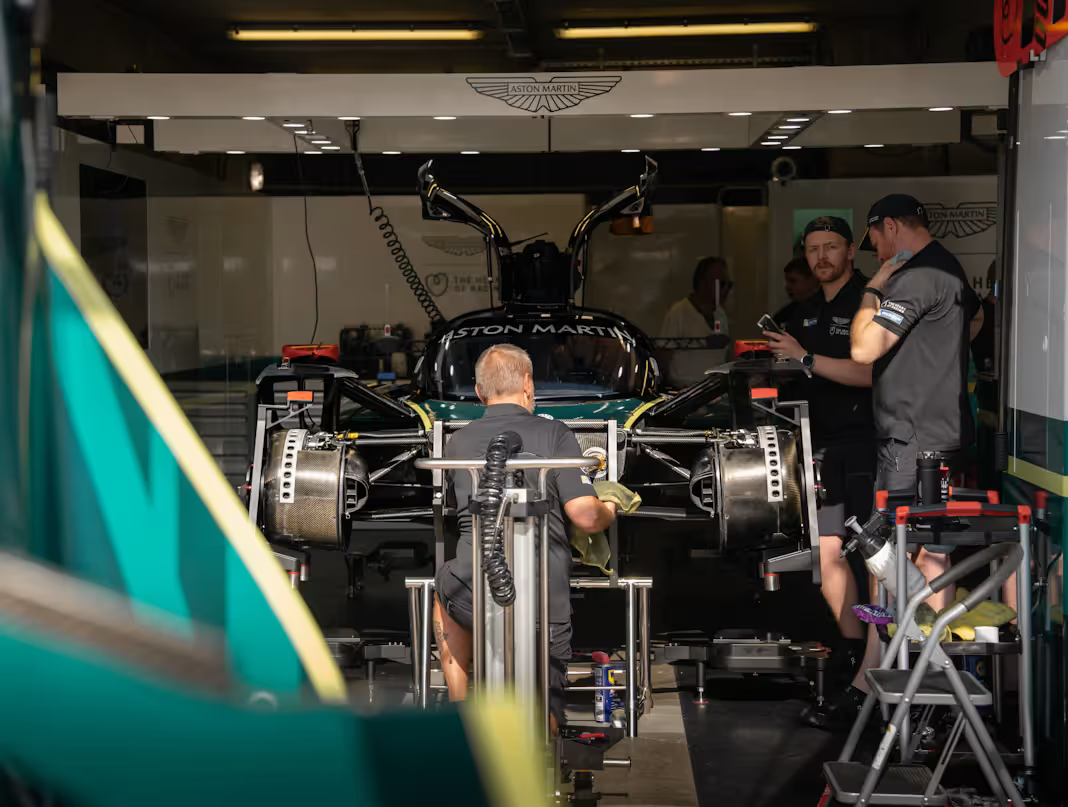
What truly separates Formula 1 from other forms of motorsport is the speed at which innovation occurs. Engineers analyse millions of data points during every race weekend, using advanced simulations and real-world testing to refine virtually every aspect of vehicle performance.
This constant cycle of experimentation encourages solutions that often influence the broader automotive industry. Aerodynamics become more efficient, hybrid systems more intelligent, materials stronger and lighter, and manufacturing techniques increasingly precise.
The road from racetrack to production vehicle is rarely immediate, but history has repeatedly shown that technologies proven under extreme competition often find their way into everyday driving. Formula 1 therefore remains much more than a sporting championship—it continues to shape the future of automotive engineering itself.
Conclusion
Formula 1 has earned its reputation as the pinnacle of motorsport not only because of its extraordinary speed but because it continually challenges engineers to rethink what is possible. The innovations developed through competition have transformed hybrid technology, aerodynamics, lightweight construction, safety systems, and countless other areas of automotive engineering.
For manufacturers, Formula 1 provides an environment where new ideas can be tested under the most demanding conditions before influencing production vehicles. For drivers, it delivers road cars that are safer, more efficient, and more rewarding to drive.
Every generation of Formula 1 contributes something new to the automotive world. Long after the chequered flag falls, its greatest victories continue on public roads through the technologies that improve the cars millions of people drive every day.
Discover how racing innovation continues to influence performance engineering, automotive technology, and the future of driving.
About the Writer

Marcus Chen
Performance EV Editor covering electric supercars, next-generation propulsion, battery innovation, and the future of high-performance automotive engineering.
Discussion
More from this issue.

· Printed in pixels, with care.