
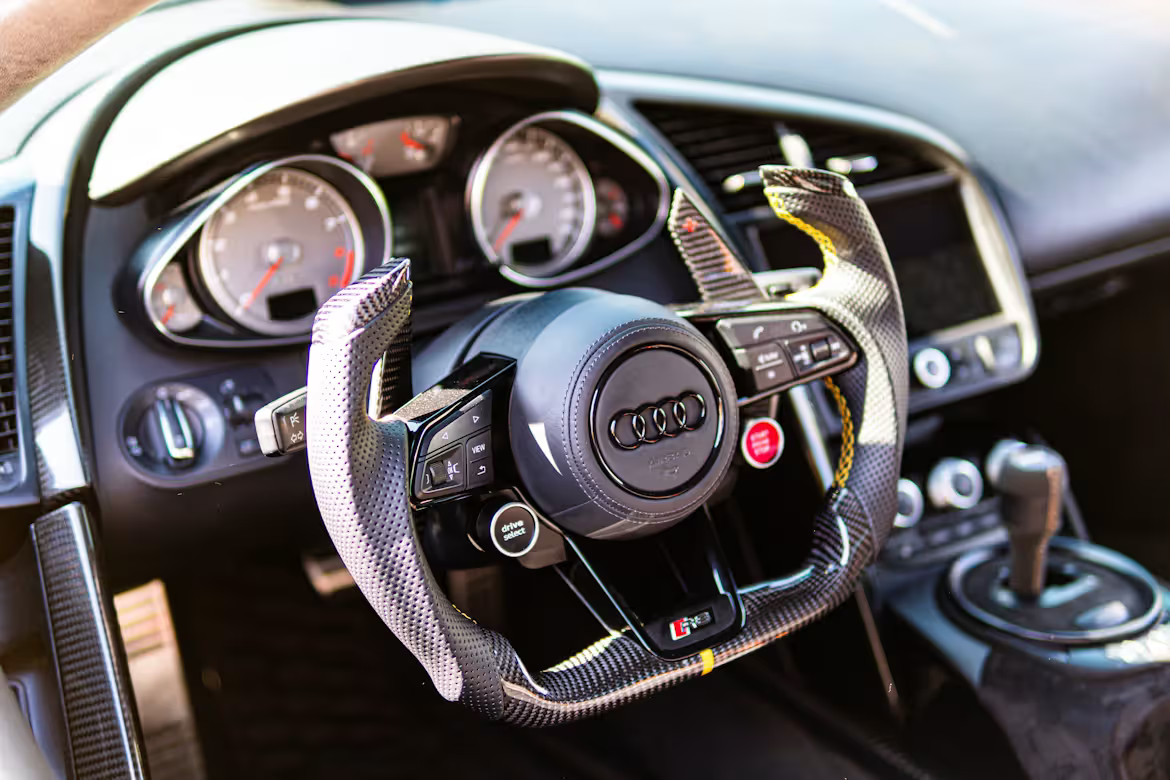
The Craft of Automotive Interiors.
An automobile's interior is where design becomes an experience, combining materials, ergonomics, craftsmanship, and atmosphere in a space built around the driver.
An automobile is usually first experienced from the outside. Its silhouette, proportions, wheels, lighting, and body surfaces create the first impression. But the relationship between driver and machine begins somewhere else.
Inside.
The interior is the environment in which an automobile is actually experienced. Every control, surface, seat, material, and visual detail contributes to how the driver and passengers perceive the vehicle.
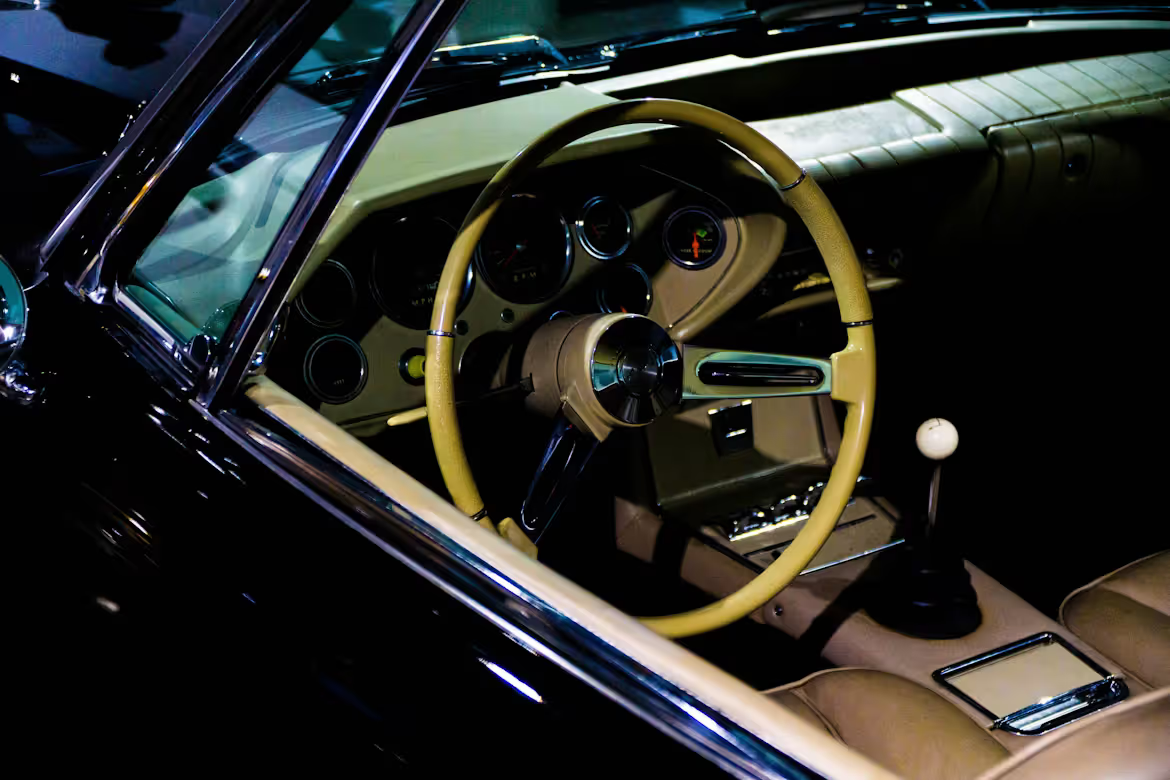
For a performance car, the cabin needs to communicate purpose and provide precise access to the controls. For a grand tourer, it must create an environment suitable for long journeys. In a collector automobile, materials and craftsmanship can become expressions of an earlier era.
This makes automotive interiors an unusually complex design discipline.
They need to be beautiful, functional, comfortable, durable, and intuitive at the same time.
The finest interiors achieve all of these qualities without making the engineering behind them feel complicated.
When Materials Become Part of the Experience
Materials are among the first things occupants notice once they enter an automobile.
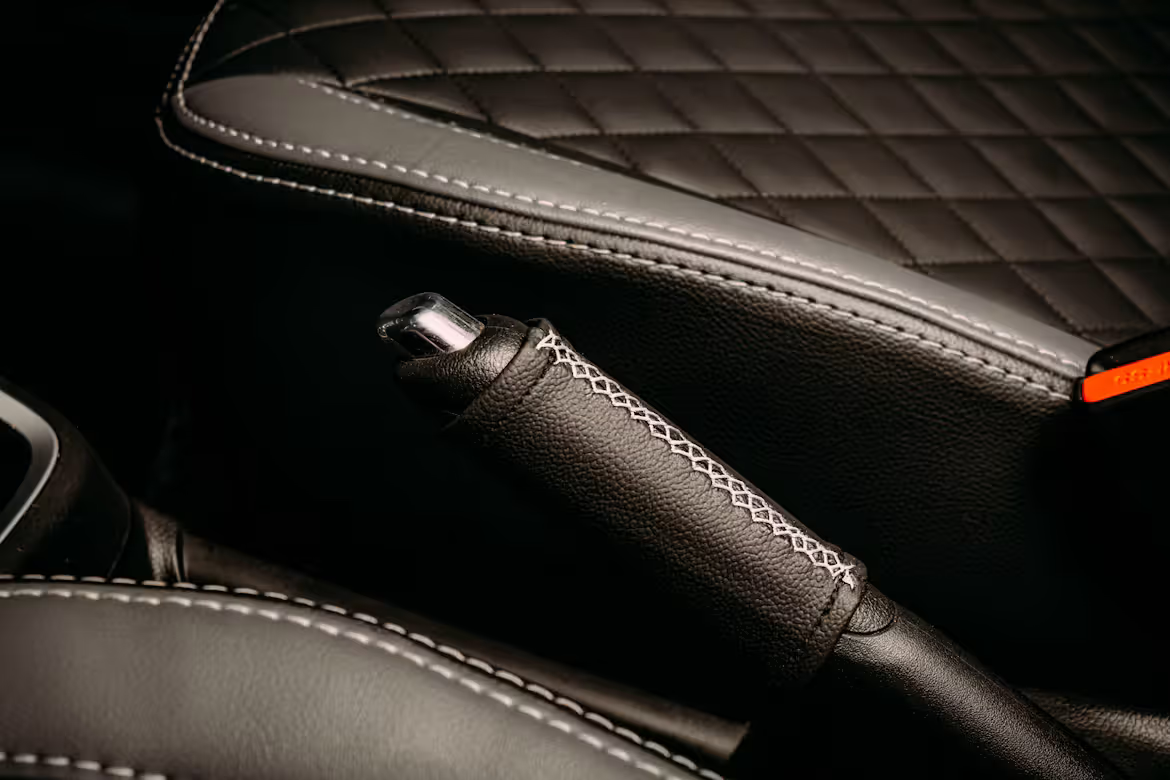
Leather can communicate warmth and tradition. Metal can introduce precision and mechanical character. Wood can connect an interior with craftsmanship and heritage, while carbon fibre and technical fabrics can create a more contemporary performance-focused atmosphere.
But premium design is not simply about choosing expensive materials.
The material needs to suit the architecture around it.
A beautifully finished surface can lose its impact if it is placed without consideration for the surrounding shapes, colours, or textures. Successful interiors instead create relationships between materials.
Stitching can follow the geometry of a seat. Metal trim can emphasise a dashboard line. A textured surface can provide contrast against a smoother material.
These details may appear subtle, but together they establish the visual identity of the cabin.
Craftsmanship in the Details
Automotive interiors contain hundreds of individual decisions, many of which are only noticeable when something is wrong.
Stitching must remain consistent. Panels need to align correctly. Switches should operate with a sense of precision. Materials must withstand years of use while retaining their visual character.
This is where craftsmanship becomes particularly important.
Hand-finishing can introduce a level of attention that is difficult to achieve through purely automated processes. Skilled specialists understand how materials behave around curves, how surfaces should meet, and how small details influence the perception of quality.
Modern manufacturing has made automotive production extraordinarily precise, but craftsmanship remains important because precision alone does not create atmosphere.
An interior can be perfectly assembled and still feel cold.
The best interiors combine technical accuracy with human judgement.
Designing Around the Driver
A beautiful interior is not successful if it is difficult to use.
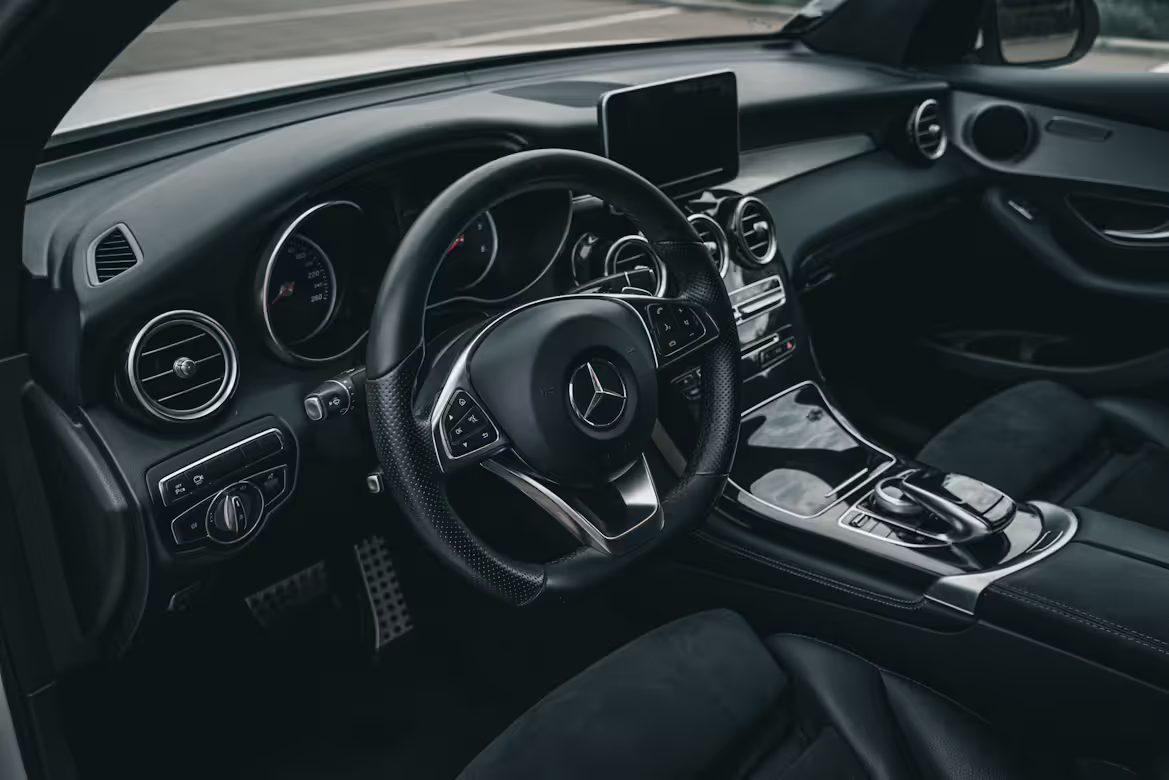
Ergonomics therefore plays a central role in automotive design. The position of the steering wheel, pedals, seat, displays, switches, and primary controls all influence how naturally the driver interacts with the vehicle.
Performance cars require particular attention to this relationship.
The driver needs to understand the controls quickly and maintain concentration while driving. Important functions should be accessible without forcing unnecessary movement or distraction.
The seating position also influences perception. A low driving position can create a stronger sense of connection with the road, while a carefully positioned steering wheel and pedals can make the driver's inputs feel more natural.
Form and Function
Automotive interiors are ultimately exercises in balance.
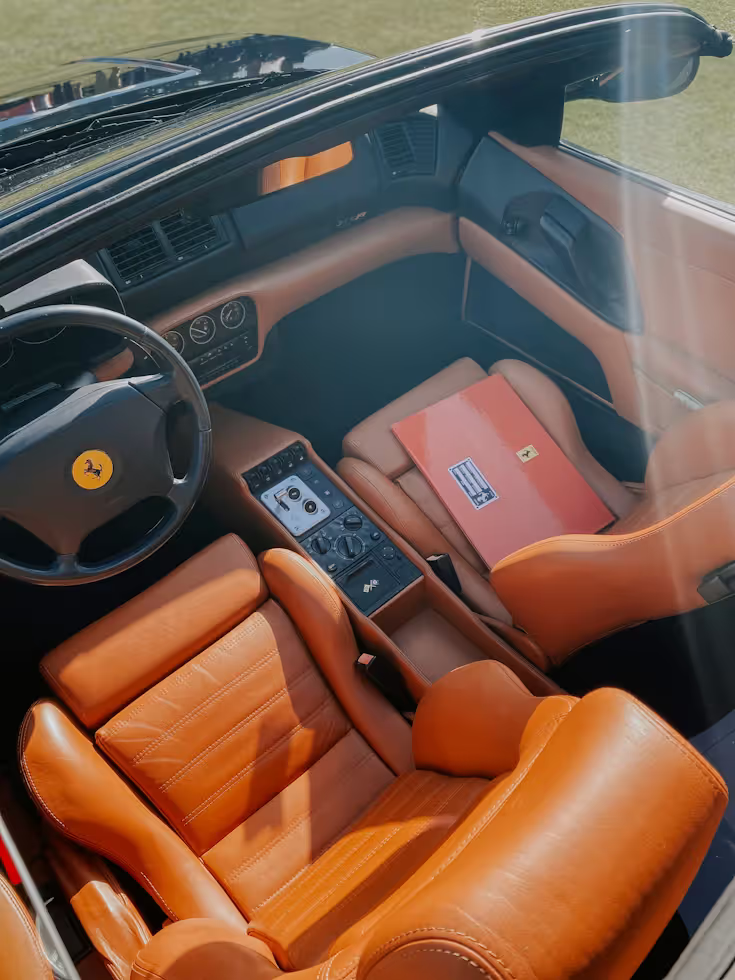
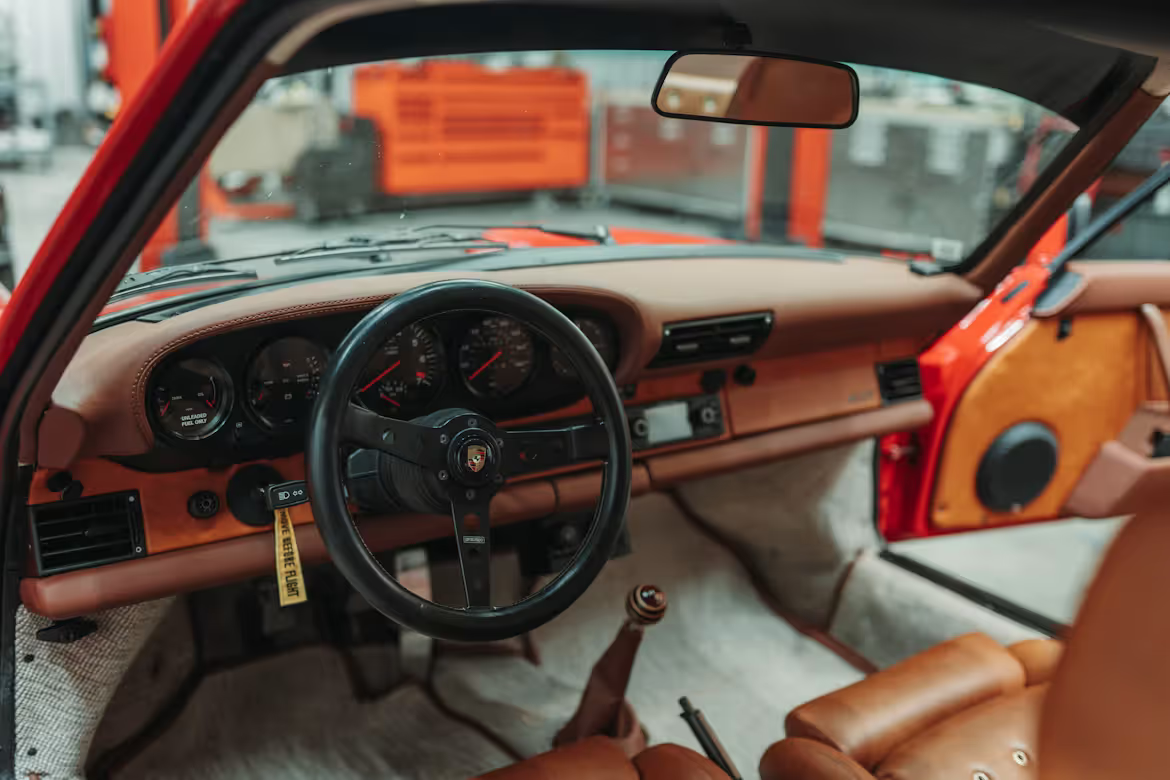
Every component has a practical purpose, yet its shape and placement also contribute to the overall atmosphere. A steering wheel needs to be comfortable to hold while reinforcing the character of the automobile. Seats must provide support while becoming part of the visual identity. Door panels need to accommodate mechanisms while maintaining a coherent design.
This relationship between form and function is particularly important in performance cars.
The interior should make the driver feel that the automobile was designed around the act of driving.
In a grand tourer, the same principle produces a different result. Comfort, storage, visibility, and long-distance ergonomics become more important, creating a calmer environment without abandoning the sense of occasion.
Traditional Craftsmanship Meets Modern Technology
Automotive interiors have always reflected the technology of their era. Early cabins relied heavily on mechanical instruments, physical switches, and handcrafted materials. Modern interiors increasingly combine those traditional qualities with digital displays, touch interfaces, and electronically controlled systems.
The challenge is deciding where technology belongs.
A digital interface can provide enormous flexibility, but too many screens can make an interior feel more like a consumer electronics product than an automobile. Physical controls, when carefully designed, can provide a tactile connection that digital interfaces sometimes lack.
The strongest modern interiors therefore do not necessarily reject technology.
They integrate it.
A beautifully finished dashboard can contain sophisticated electronics without allowing the technology to dominate the visual experience.
"The finest interiors make technology feel like part of the design rather than something added to it."
The Changing Dashboard
The dashboard has undergone one of the most dramatic transformations in automotive design.
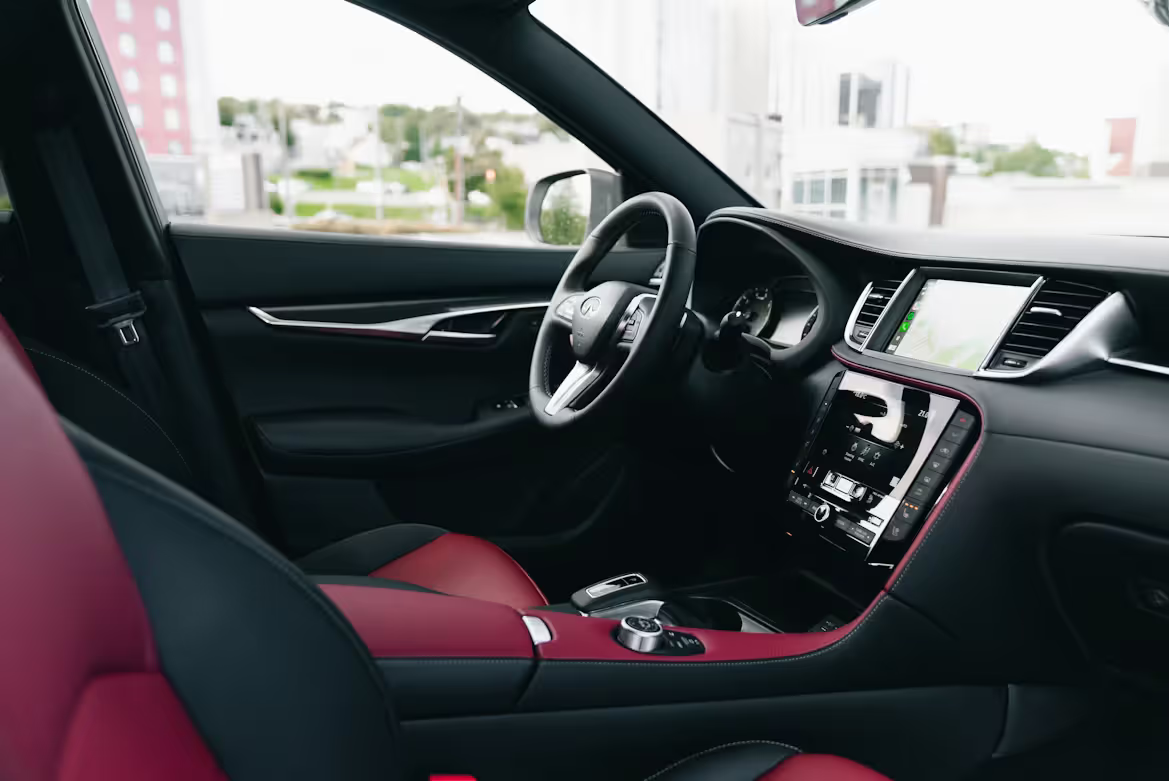
Traditional instruments provided a clear visual hierarchy: speed, engine information, fuel level, and a limited number of essential controls. Modern displays can now present navigation, vehicle settings, entertainment, performance information, and driver-assistance systems within the same space.
This creates enormous design freedom.
But freedom can also create complexity.
Designers must decide which information deserves attention and how it should be presented without overwhelming the driver. A sophisticated interface should feel intuitive rather than requiring constant interaction.
This is particularly important in performance automobiles, where the driver's attention needs to remain focused on the road.
The future of the dashboard will therefore be defined not simply by how much information it can display, but by how intelligently that information is presented.
Creating Atmosphere
An interior is more than a collection of functional components. It is also an environment.
Lighting, colour, texture, materials, sound, and even the way a door closes contribute to the atmosphere of the cabin. Designers can create a sense of calm through muted materials and soft illumination, or establish a more technical character through exposed structures and contemporary finishes.
This is where automotive design becomes closely connected with architecture and interior design.
The cabin has its own spatial relationships.
The dashboard establishes the visual horizon. The centre console creates a transition between driver and passenger. Seats define the primary spaces occupied by the people inside.
When these elements work together, the interior can feel almost architectural.
The automobile becomes a small, carefully designed room that happens to move.
Screens Versus Physical Controls
One of the most interesting debates in contemporary automotive design concerns the balance between digital and physical controls.
Touchscreens offer flexibility and allow manufacturers to consolidate multiple functions into a single interface. Physical switches, knobs, and buttons provide immediate tactile feedback and can often be operated without looking away from the road.
Neither approach is universally superior.
The appropriate solution depends on the function.
A navigation map may benefit from a large digital display, while controls that drivers use frequently may benefit from physical interfaces that can be identified by touch.
Good interior design understands this distinction.
Technology should simplify interaction rather than make every function dependent on a screen.
The Future of Automotive Interiors
Future interiors will likely become increasingly connected, adaptive, and personalised.
Digital interfaces can already change according to driving modes and individual preferences. Ambient lighting can alter the atmosphere of the cabin, while advanced seating systems can adjust to different occupants and journeys.
Artificial intelligence and increasingly sophisticated software may eventually allow vehicles to anticipate certain preferences and adapt the environment accordingly.
Yet the fundamental principles of interior design will remain.
Materials still need to feel appropriate.
Controls still need to be intuitive.
Seats still need to support the occupants.
And the cabin still needs to communicate the identity of the automobile.
The most successful future interiors will therefore combine technological capability with the qualities that have always defined great automotive design: proportion, craftsmanship, usability, and atmosphere.
Conclusion
Automotive interiors occupy a unique position between engineering and design.
They must support the driver, accommodate passengers, house increasingly complex technology, and create an environment that reflects the character of the automobile. From handcrafted leather and polished metal to digital displays and intelligent interfaces, every generation has developed its own interpretation of that challenge.
The future will bring more technology, but technology alone will not create better interiors.
The most memorable cabins will be those where technology remains in service of the experience.
Because an exceptional interior should not make you think about the components surrounding you.
It should make you want to stay inside and keep driving.
Discover the craftsmanship, materials, proportions, and creative ideas shaping the interiors and exteriors of remarkable automobiles.
About the Writer

Genevieve Laurent
Automotive Design Editor exploring coachbuilding, interior craftsmanship, materials, and the creative vision shaping modern and classic automobiles through exceptional design.
Discussion
More from this issue.

The Rise of the Performance Wagon.
Performance wagons challenged the idea that practicality and driving excitement belonged to separate worlds, combining everyday versatility with serious performance.
 Alexander Moreau

The Art of Automotive Photography.
Automotive photography transforms machines into visual stories, capturing design, movement, atmosphere, and the emotions that surround exceptional cars.
 Sophia Harrington

Why Ferrari Continues to Define the Modern Supercar.
For more than seven decades, Ferrari has represented the perfect balance of engineering, design, and emotion. Discover how the legendary Italian marque continues to influence the modern supercar through innovation, craftsmanship, and an unmistakable driving philosophy.
Alexander Moreau
· Printed in pixels, with care.