
The Rise of the Performance Wagon.
Performance wagons challenged the idea that practicality and driving excitement belonged to separate worlds, combining everyday versatility with serious performance.
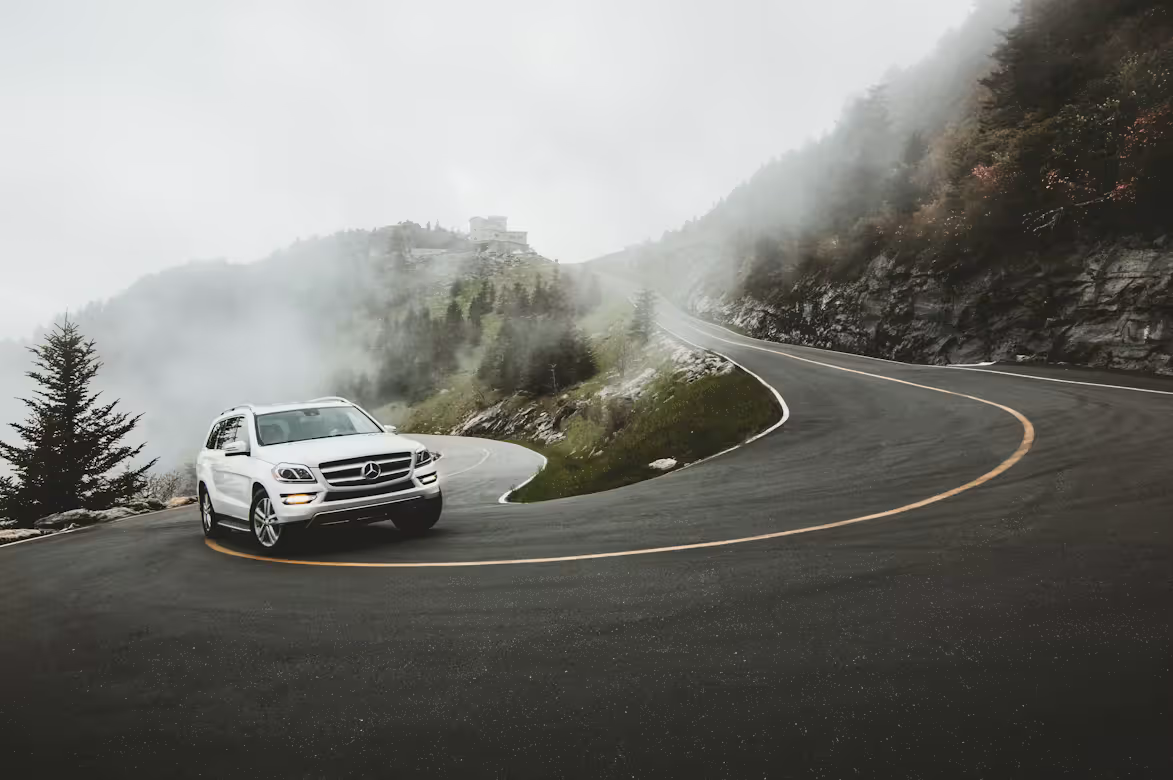
For decades, performance and practicality were treated as opposing ideas. A sports car was expected to be low, compact, and focused, while a family automobile prioritised space, comfort, and everyday convenience.
The performance wagon challenged that assumption.
With its extended roofline, useful rear cargo area, and familiar five-door practicality, the wagon seemed an unlikely foundation for serious performance. Yet the same proportions that made it useful also created opportunities for engineers to combine powerful engines, sophisticated chassis systems, and long-distance capability in a single automobile.
The result was a category that appealed to drivers who wanted performance without giving up versatility.
A performance wagon could carry passengers, luggage, and everyday equipment during the week, then become an engaging driver's car when the road opened up.
When Practicality Became Part of Performance
The idea of putting serious performance into a practical body style was initially unconventional. Traditional performance cars were often designed around the driver first, with practicality becoming a secondary consideration.
Wagons approached the problem differently.
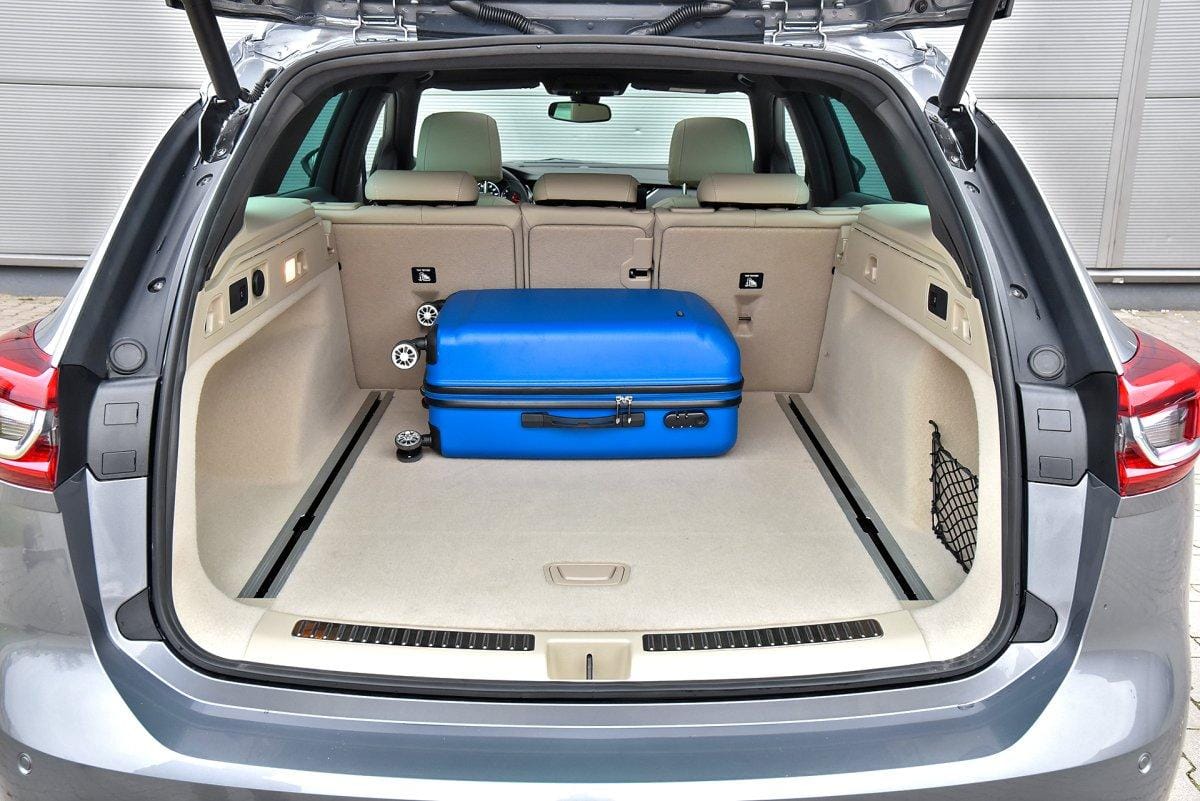
Their longer rooflines and larger rear compartments provided additional space without requiring the taller proportions of many utility vehicles. This allowed manufacturers to create automobiles that remained relatively low and visually connected to traditional passenger cars.
For enthusiasts, that created an interesting compromise.
The automobile could remain useful without abandoning the driving characteristics they valued.
This combination became particularly appealing to drivers who wanted a single vehicle capable of handling multiple roles. A performance wagon could serve as a daily commuter, long-distance tourer, family automobile, and enthusiast machine without requiring a completely different vehicle for each purpose.
The Design Challenge
Designing a performance wagon requires more than simply increasing engine output.
The extended body changes the vehicle's proportions and aerodynamic characteristics. Designers need to maintain visual balance while integrating the larger rear structure into the overall shape.
The best examples avoid looking like conventional wagons with oversized wheels and aggressive trim.
Instead, their performance character is integrated into the design.
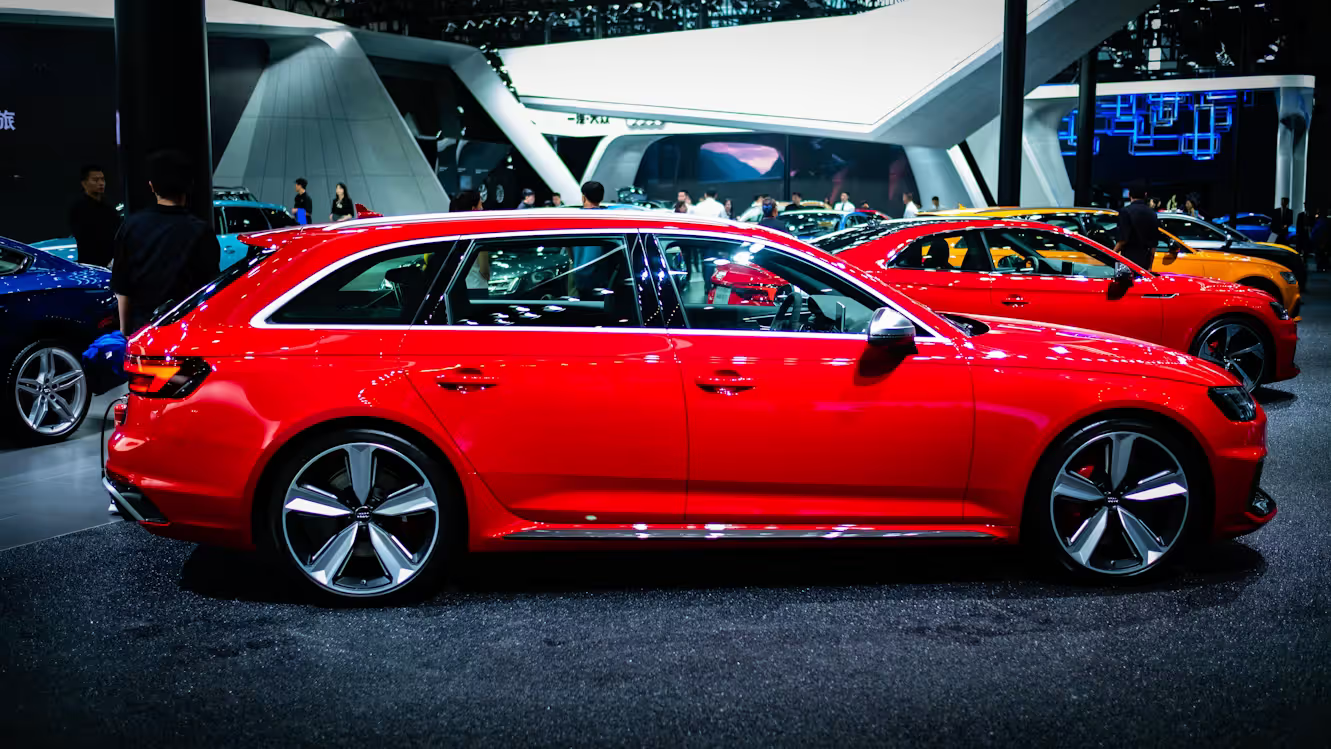
Lower bodywork, carefully controlled proportions, purposeful air openings, stronger shoulder lines, and carefully designed wheels can communicate capability without overwhelming the practical shape.
This creates a particularly interesting design language.
The automobile can appear restrained from a distance while revealing its performance intentions through closer inspection.
That subtlety is part of the appeal.
Power Meets Everyday Usability
Performance wagons also demonstrate how modern powertrain engineering can transform a practical automobile.
Powerful engines, sophisticated transmissions, all-wheel-drive systems, and electronically controlled chassis technology allow these vehicles to deliver serious acceleration and confident handling while remaining comfortable during ordinary driving.
But the objective is not simply to make a wagon fast.
A successful performance wagon must remain coherent.
The suspension needs to control the additional body length and payload capability without making the car uncomfortable. The powertrain must deliver strong performance without becoming tiring in daily use. Steering and braking need to remain predictable across a wide range of conditions.
This broad operating range is what separates a genuinely well-developed performance wagon from a conventional car with a powerful engine.

The Chassis Makes the Difference
The most interesting aspect of a performance wagon is often hidden beneath the bodywork.
Engineers must account for the vehicle's longer rear structure, passenger and cargo requirements, and the possibility of carrying additional weight. At the same time, the car needs to maintain the precision expected from a performance automobile.
Suspension tuning therefore becomes especially important.
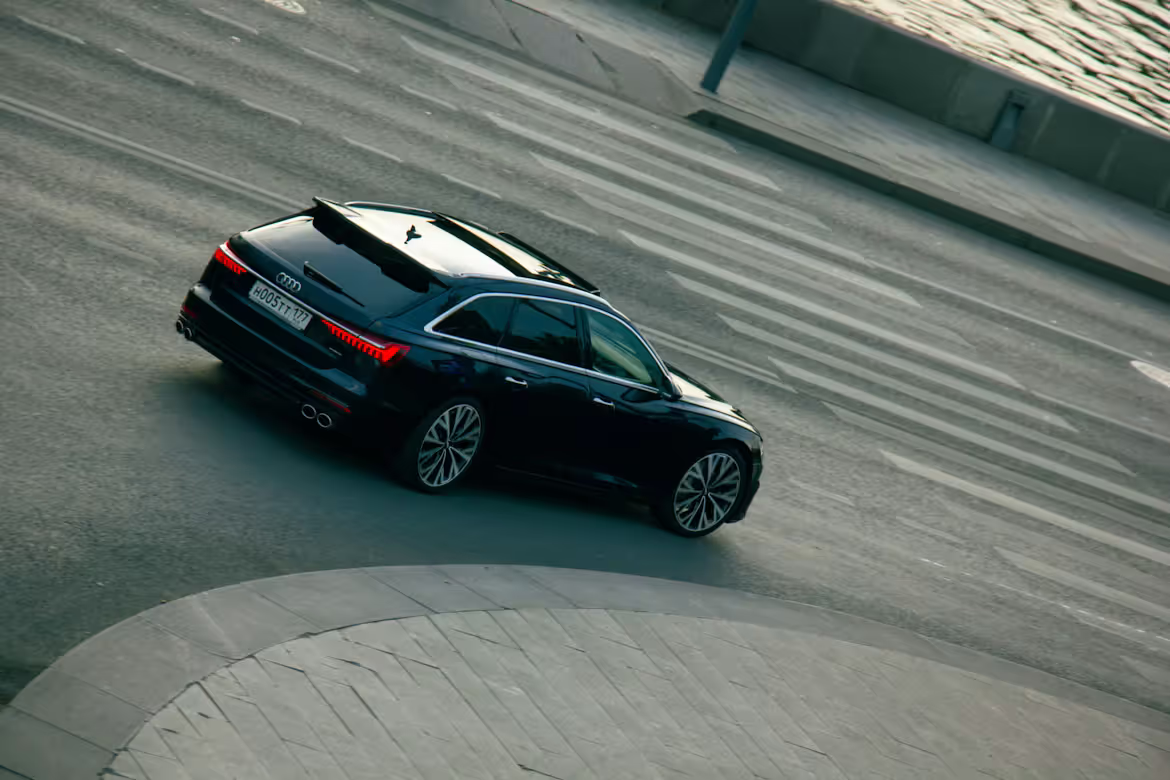
The chassis must remain controlled when driven enthusiastically while still providing enough compliance for everyday roads. Modern electronic systems can help by adapting damping, power distribution, and stability characteristics according to driving conditions.
The result is a vehicle capable of changing character without changing its fundamental purpose.
The Appeal of Understated Performance
One of the most distinctive qualities of a performance wagon is that its capability does not always announce itself.
Unlike a low-slung supercar, a wagon can pass through traffic without attracting immediate attention. Its familiar silhouette makes the performance easier to overlook, particularly when the exterior design uses restrained details rather than dramatic bodywork.
For enthusiasts, that subtlety can be part of the attraction.
A performance wagon allows its owner to enjoy serious engineering without making performance the centre of every interaction. The car can look sophisticated and practical while hiding a far more focused machine underneath.
This idea has helped create a particular culture around high-performance wagons.
They are fast cars for people who appreciate the idea of performance without necessarily needing to display it.
"The charm of a performance wagon is that its practicality never has to apologise for its performance."
Everyday Usability
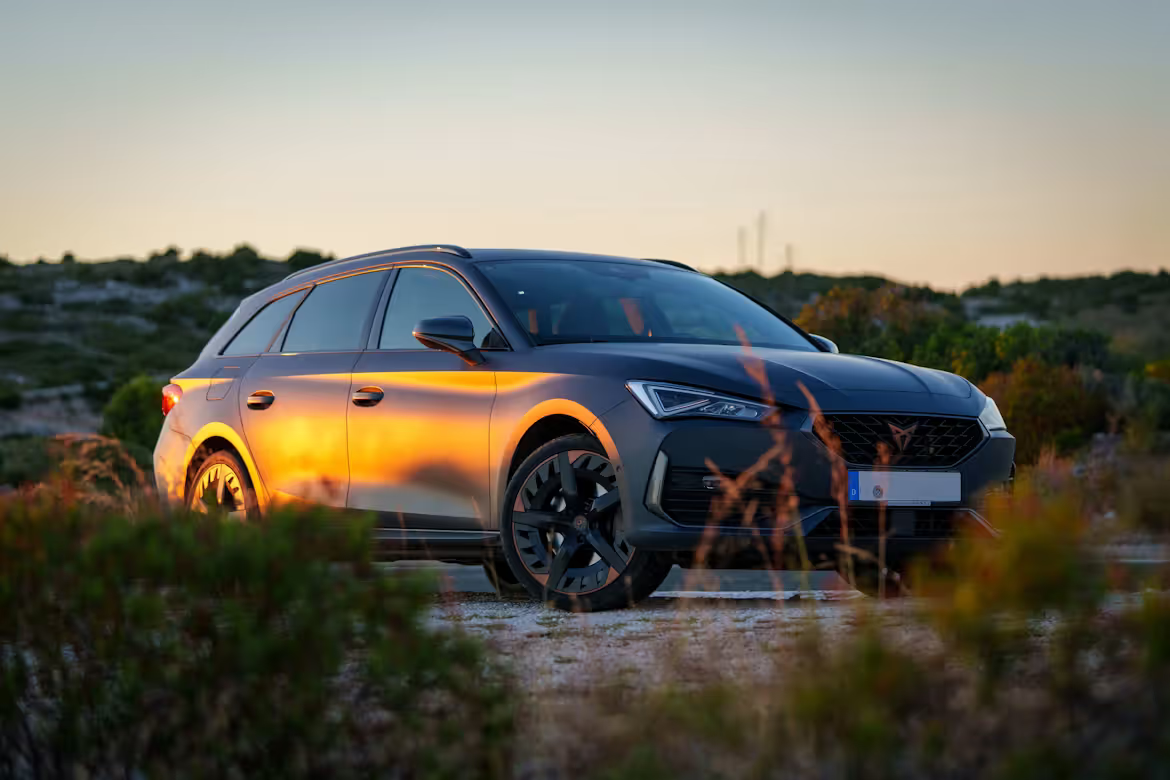
The real strength of a performance wagon becomes apparent when it is used as an everyday automobile.
The rear cargo area provides space for luggage, equipment, or the practical necessities of daily life. The rear doors make passenger access straightforward, while the longer body allows the automobile to remain useful without adopting the proportions of a larger utility vehicle.
This versatility also makes the wagon particularly suited to long-distance driving.
A well-developed performance wagon can combine a comfortable cabin with a powerful powertrain and a composed chassis, allowing it to cover significant distances without feeling like a compromise.
Then, when the road becomes more interesting, the same automobile can reveal another side of its personality.
A Different Kind of Performance Culture
Performance-car culture has traditionally celebrated low sports cars, racing machines, and exotic supercars. The performance wagon introduced a different kind of enthusiast appeal.
It demonstrated that performance did not have to dictate the entire identity of an automobile.
For some drivers, the ability to combine family practicality with serious engineering became more appealing than owning a specialised sports car. The wagon could become a single solution rather than one part of a collection of vehicles.
This also gave designers freedom to explore a different form of automotive expression.
Instead of making a car look faster through extreme proportions, they could create an automobile whose capability was revealed through details.
The result is a category where understatement becomes part of the design language.
Electrification Changes the Formula
Electrification is introducing another chapter in the evolution of performance wagons.
Electric powertrains can deliver strong acceleration while maintaining smooth and quiet operation, qualities that naturally complement a practical long-distance automobile. Multiple motors can also provide sophisticated control over how power reaches the road.
At the same time, battery weight creates new engineering challenges.
A performance wagon must balance its practical proportions with the mass of the battery system while maintaining the responsive handling enthusiasts expect. Engineers therefore face the same fundamental challenge that has shaped performance cars for generations:
How do you make useful capability feel effortless?
Advanced chassis systems, improved battery technology, lightweight materials, and increasingly sophisticated power management will all play a role.
The Future of the Performance Wagon
The future may produce even more sophisticated versions of the performance wagon philosophy.
Electric and hybrid powertrains can provide instant response, while advanced suspension systems can adapt the automobile to different driving conditions. Intelligent traction management can make power delivery more precise, and new materials can help manage weight.
But the category's appeal will ultimately depend on something simpler.
It must remain useful.
If performance wagons become so focused on technology that their practicality disappears, they lose the characteristic that made them special in the first place.
The best future examples will continue to combine space, comfort, performance, and understated design.
They will not try to become supercars with larger cargo areas.
They will remain something different.
Conclusion
The performance wagon succeeded because it challenged a traditional assumption: that a practical automobile could not also be an exciting one.
By combining useful proportions with powerful engines, sophisticated chassis systems, and carefully considered design, manufacturers created a category that could serve everyday needs without abandoning the enthusiast's desire for performance.
Its greatest strength is versatility.
A performance wagon can carry luggage, transport passengers, cross countries, and still become genuinely engaging when the road begins to twist.
As electrification reshapes the automobile, that philosophy remains relevant.
Discover the performance, design, engineering, and driving experiences behind the world's most extraordinary automobiles.
About the Writer

Alexander Moreau
Supercars Editor specializing in Ferrari, Lamborghini, McLaren, and Aston Martin. Covers performance, design, and the craftsmanship behind today's most celebrated high-performance automobiles.
Discussion
More from this issue.
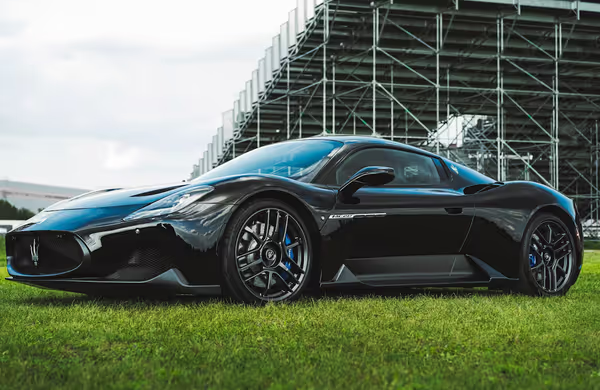
Why the Mid-Engine Layout Changed Performance Cars Forever.
The mid-engine layout transformed the way performance cars distribute weight, manage traction, and approach high-speed handling, becoming a defining architecture of the modern supercar.
 Marcus Chen
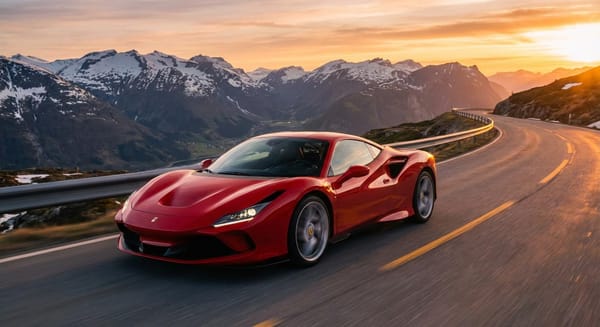
Why Ferrari Continues to Define the Modern Supercar.
For more than seven decades, Ferrari has represented the perfect balance of engineering, design, and emotion. Discover how the legendary Italian marque continues to influence the modern supercar through innovation, craftsmanship, and an unmistakable driving philosophy.
 Alexander Moreau

The Art of Automotive Design: From Sketch to Supercar.
Discover how the world's most iconic supercars evolve from hand-drawn sketches into engineering masterpieces through creativity, craftsmanship, and precision.
 Genevieve Laurent
· Printed in pixels, with care.