
Why Ferrari Continues to Define the Modern Supercar.
For more than seven decades, Ferrari has represented the perfect balance of engineering, design, and emotion. Discover how the legendary Italian marque continues to influence the modern supercar through innovation, craftsmanship, and an unmistakable driving philosophy.
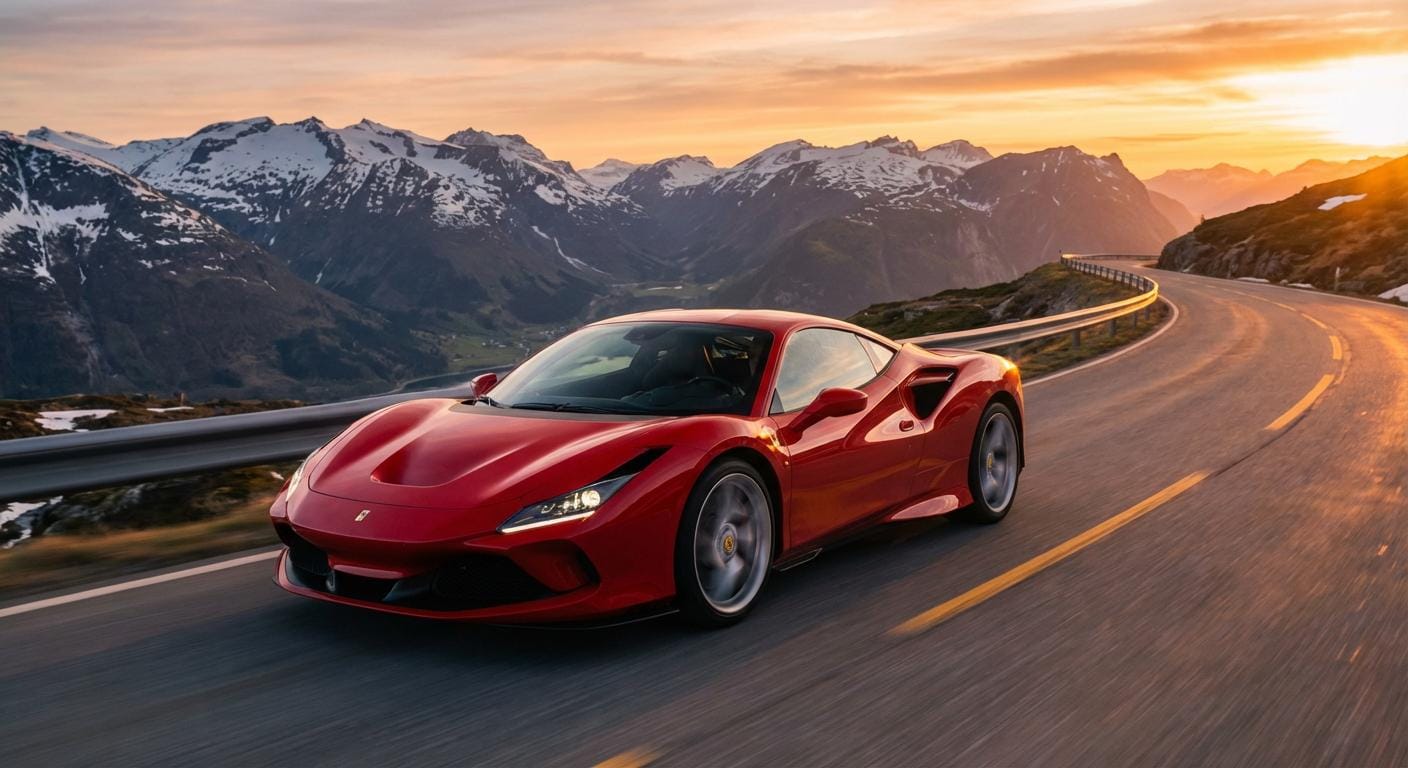
Few names in the automotive world carry the same weight as Ferrari. For enthusiasts, it represents far more than horsepower, acceleration, or exclusivity. It is a marque built on decades of competition, engineering, and craftsmanship—one that has consistently influenced how the world defines the modern supercar. While many manufacturers have produced remarkable performance cars, Ferrari occupies a unique position because every model reflects a philosophy that values emotion as much as technical achievement.
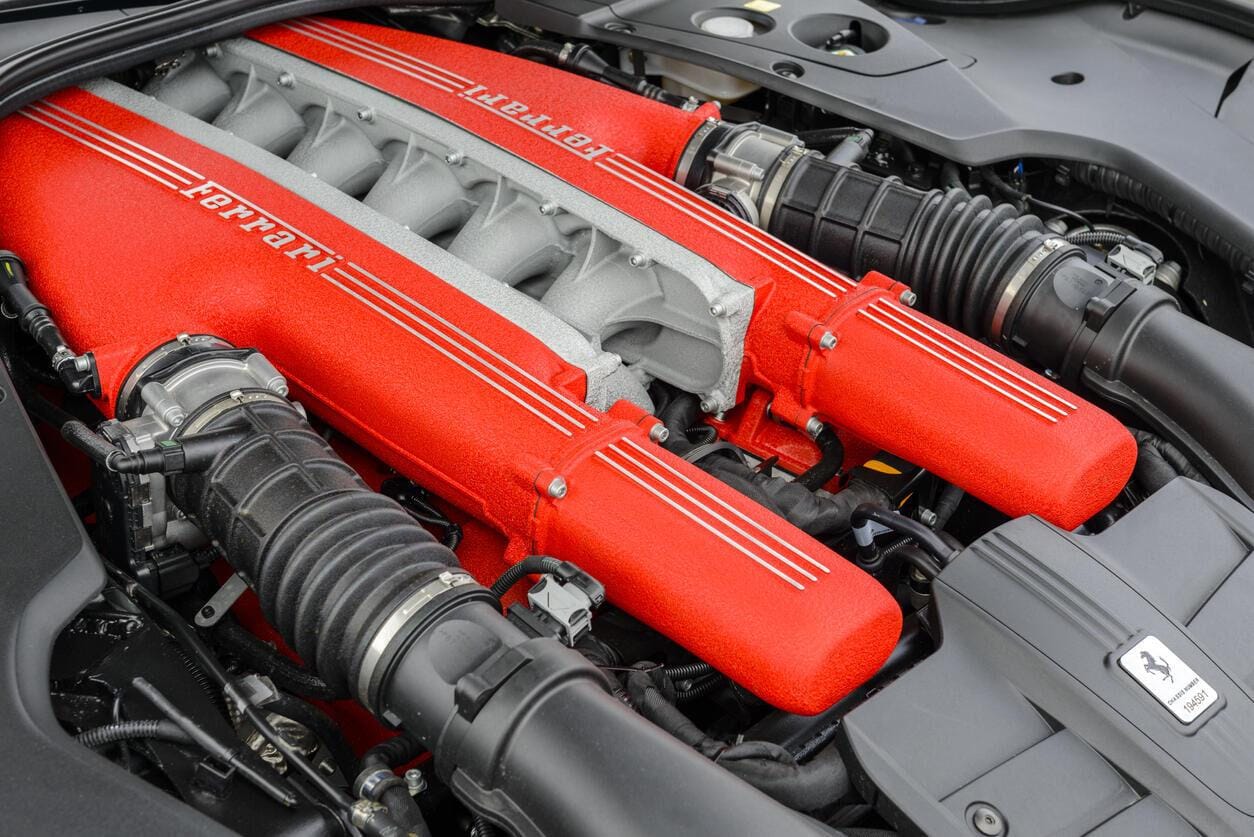
That philosophy has allowed Ferrari to remain relevant through changing generations of drivers and rapidly evolving technology. From naturally aspirated V12 engines to advanced hybrid powertrains, the company has continuously embraced innovation without abandoning the characteristics that enthusiasts admire most. Every new model introduces modern engineering while preserving the unmistakable driving experience that has become synonymous with the Prancing Horse.
Today, Ferrari competes in a world where electrification, digital technology, and increasingly demanding regulations are reshaping the automotive industry. Yet despite these changes, the brand continues to produce cars that feel unmistakably Ferrari. The reason lies not in performance figures alone, but in a long-standing commitment to building automobiles that connect with drivers on both an emotional and mechanical level.
A Legacy Built on Racing Excellence
Ferrari's identity was forged on the racetrack long before it became one of the world's most admired road-car manufacturers. Competition was never simply a marketing exercise—it was the company's engineering laboratory. Every race presented new challenges that demanded lighter materials, stronger components, better aerodynamics, and more efficient power delivery. Success depended on constant refinement, and that relentless pursuit of improvement gradually became embedded within Ferrari's DNA.
Unlike brands that separate their racing and production divisions, Ferrari has consistently allowed knowledge gained through motorsport to influence its road cars. Technologies first developed for competition have found their way into production vehicles, improving braking systems, chassis dynamics, aerodynamics, and overall performance. This close relationship between track and road has helped Ferrari maintain a level of authenticity that few manufacturers can claim.
However, racing has contributed something even more valuable than technology. It established a culture where excellence is expected rather than celebrated. Every new Ferrari is judged not only against its competitors but also against the remarkable legacy created by the models that came before it. That constant pressure to improve has shaped generations of engineers, designers, and craftsmen, ensuring that every vehicle continues to uphold the standards associated with the Ferrari name.
Design That Balances Beauty with Performance
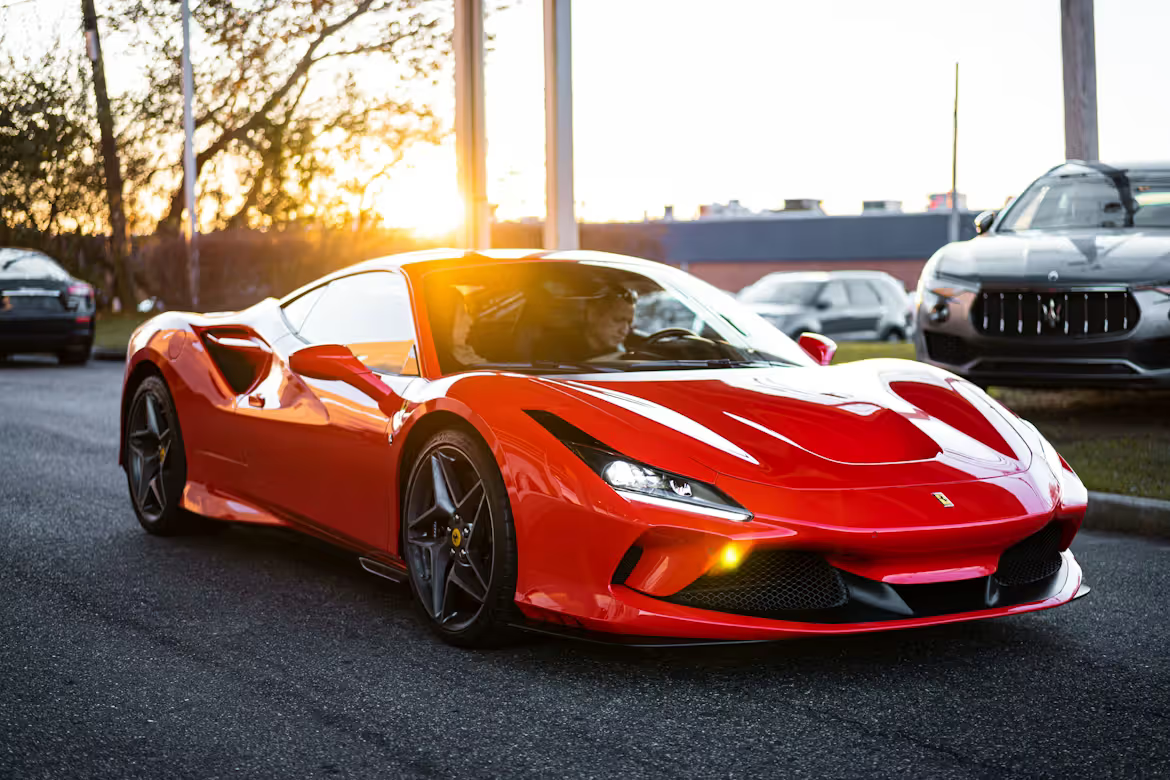
Ferrari has long demonstrated that exceptional design is not created through decoration but through purpose. Every curve, intake, and proportion exists because it contributes to performance, cooling, aerodynamic efficiency, or stability. The result is an unmistakable visual identity where engineering and aesthetics work together rather than competing for attention.
This philosophy explains why Ferrari models often remain visually timeless. Instead of following short-lived styling trends, the company's designers focus on proportions and surfaces that continue to feel elegant decades after a car leaves the production line. Even as individual models evolve, certain characteristics immediately reveal their heritage, creating a visual language recognised by enthusiasts around the world.
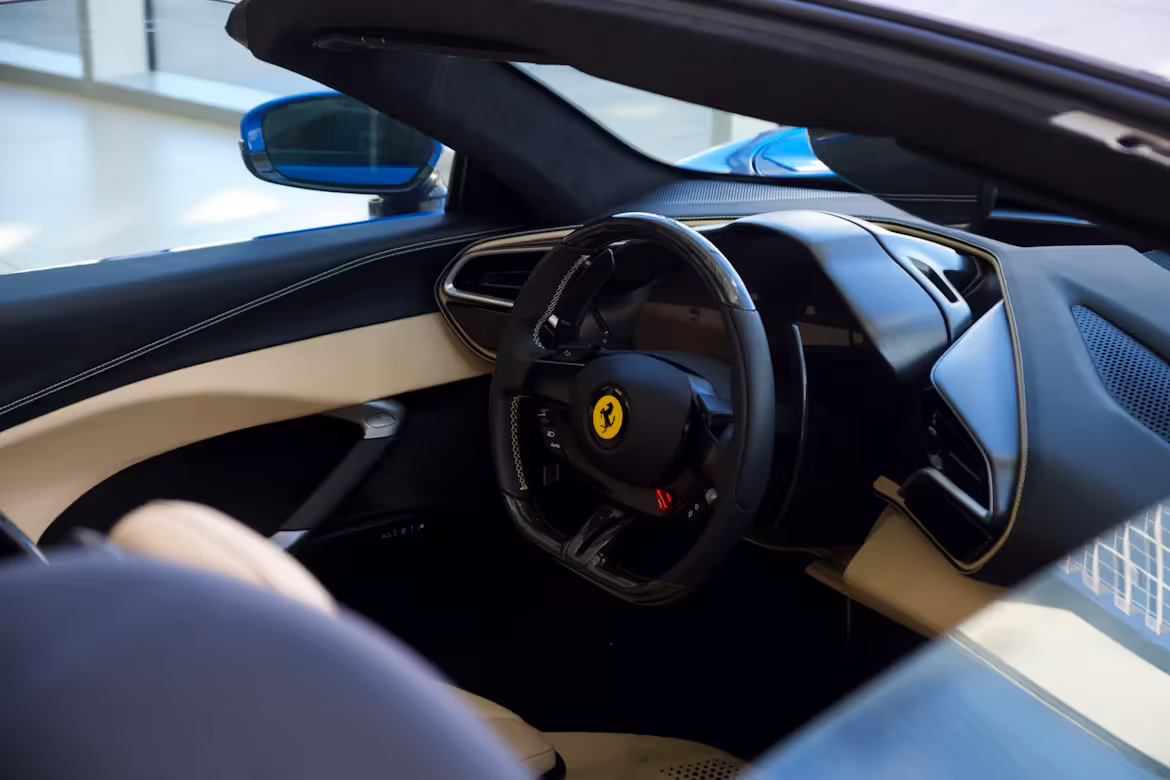
Inside the cabin, the same attention to purpose continues. Controls are positioned around the driver, premium materials are selected for both durability and tactile quality, and unnecessary distractions are deliberately avoided. Leather, aluminium, carbon fibre, and Alcantara are used not to create extravagance, but to enhance the experience of driving. Luxury becomes part of the engineering rather than an addition to it.
Ferrari's approach demonstrates that great automotive design is never purely artistic nor purely technical. It succeeds because both disciplines are developed together, producing automobiles that are equally rewarding to admire and to drive.
Engineering That Prioritises the Driver
Raw performance has never been Ferrari's only objective. A modern supercar must deliver confidence, precision, and involvement just as naturally as it delivers speed. Achieving that balance requires far more than a powerful engine. Every component—from the chassis and suspension to the steering and braking systems—must work together to create a car that feels predictable and rewarding in every situation.
Ferrari approaches engineering as a complete system rather than a collection of individual technologies. Engineers continually refine weight distribution, structural rigidity, aerodynamic balance, and suspension geometry so that every response feels natural to the driver. Whether navigating a mountain pass or accelerating onto a circuit straight, the car communicates clearly through the steering wheel and chassis, allowing the driver to build confidence with every kilometre.
This philosophy explains why Ferrari models are often praised for their character rather than simply their statistics. Horsepower figures may capture headlines, but it is the relationship between driver and machine that leaves a lasting impression. The most memorable Ferrari experiences come from the feeling of precision and control rather than outright speed.
"The finest supercars are remembered not only for how fast they travel, but for how confidently they connect the driver with the road."
Innovation Without Forgetting Its Heritage
The automotive industry is changing at an extraordinary pace. Electrification, hybrid technology, lightweight materials, and advanced driver systems are redefining how performance cars are developed. Ferrari has embraced many of these innovations, yet it continues to introduce them with remarkable restraint.
Rather than adopting technology simply because it is available, Ferrari integrates new solutions only when they enhance the driving experience. Hybrid powertrains, advanced aerodynamics, and sophisticated electronic systems are designed to complement the car's character, not replace it. The objective remains the same as it has always been: create a machine that rewards skilled driving while meeting the expectations of modern performance.
This careful evolution has allowed Ferrari to remain relevant without losing the qualities that enthusiasts admire. Every generation introduces meaningful progress while maintaining a clear connection to the brand's history. The result is a portfolio of automobiles that feel contemporary without becoming disconnected from their heritage.
Craftsmanship Beyond the Production Line
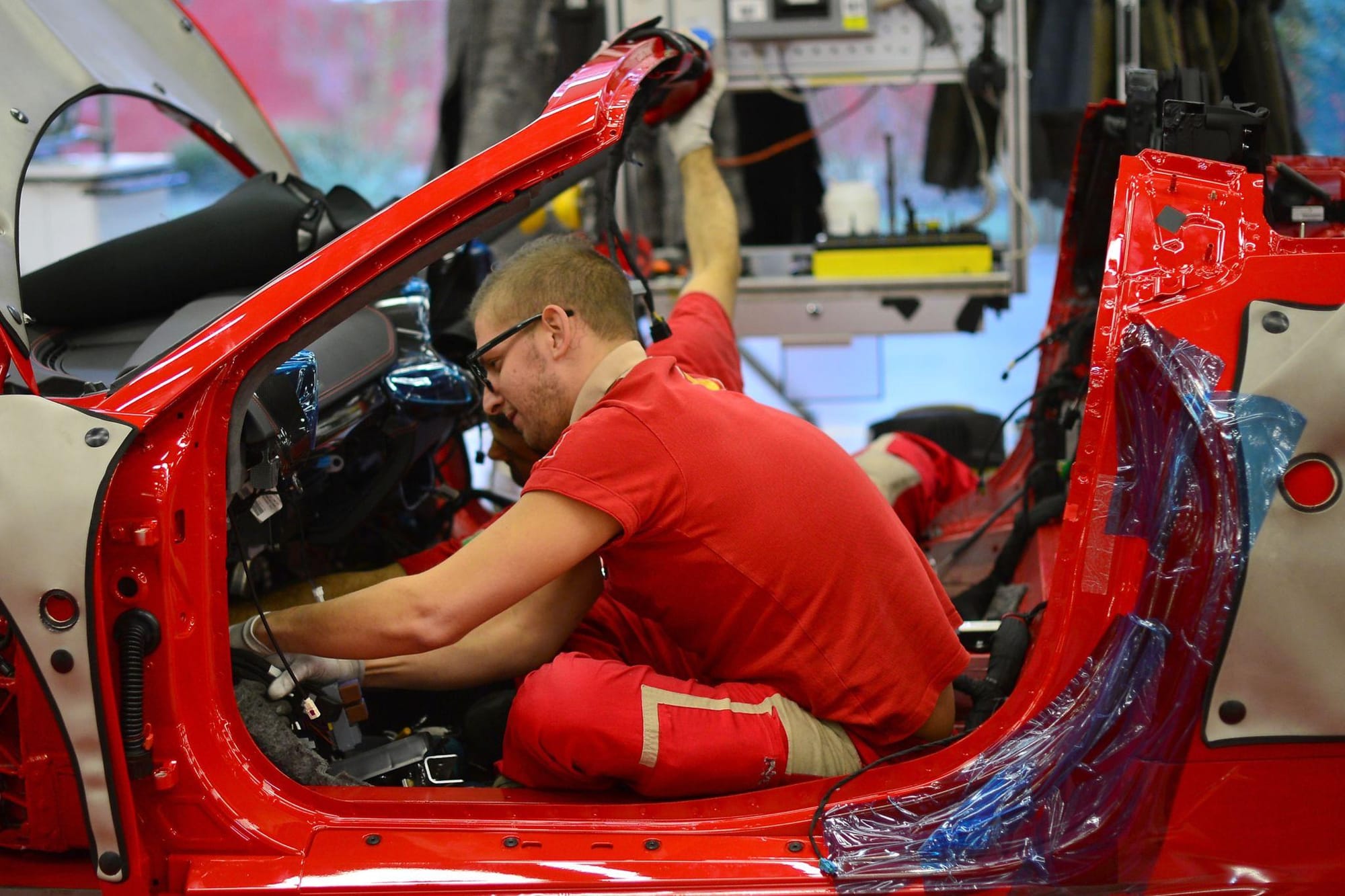
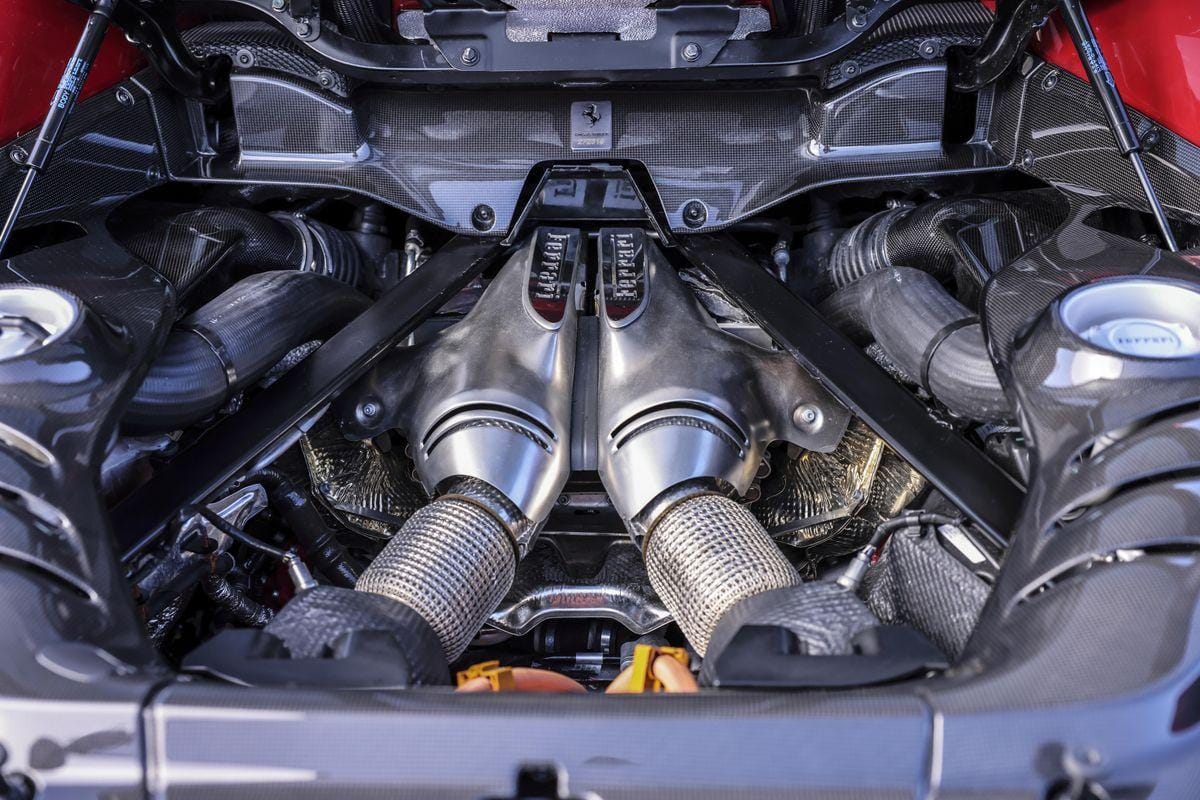
Although Ferrari is recognised globally as a manufacturer of high-performance automobiles, each vehicle also reflects an extraordinary level of craftsmanship. Behind every completed car are skilled designers, engineers, technicians, and craftspeople who dedicate countless hours to refining even the smallest details.
Premium leather interiors are carefully stitched by hand. Carbon-fibre components are produced with exceptional precision. Paint finishes undergo rigorous inspection to ensure consistency and depth, while interior materials are selected not only for appearance but also for durability and tactile quality.
This dedication to craftsmanship extends beyond luxury. Every detail serves a purpose, contributing to performance, comfort, or driver engagement. The result is an automobile that feels meticulously engineered from the moment the door closes to the instant the engine comes to life.
More Than a Car, A Lasting Legacy
Ferrari's influence extends well beyond its own production models. The company has shaped automotive design, inspired engineering innovation, and established benchmarks that competitors continue to pursue. Many technologies now common in high-performance vehicles first gained prominence through Ferrari's relentless pursuit of improvement, while its unmistakable design language continues to influence generations of designers.
Equally important is the emotional legacy the brand has built over decades. For many enthusiasts, Ferrari represents the fulfilment of a lifelong dream rather than simply ownership of an exceptional automobile. It is a symbol of achievement, craftsmanship, and passion that resonates across cultures and generations.
This enduring appeal explains why Ferrari remains one of the most recognisable and respected names in the automotive world. New manufacturers may challenge its performance figures, but few have matched its ability to combine engineering excellence with timeless desirability.
Conclusion
The definition of a modern supercar has evolved dramatically over the past seventy years, yet Ferrari continues to stand at the centre of that conversation. Its success is not built solely on speed, exclusivity, or technological innovation, but on a philosophy that places equal importance on engineering, design, heritage, and the emotional connection between driver and machine.
As the automotive industry embraces new technologies and changing expectations, Ferrari continues to demonstrate that innovation does not require abandoning tradition. By respecting its racing heritage while confidently looking toward the future, the marque remains a benchmark against which every modern supercar is measured.
For enthusiasts around the world, Ferrari represents more than an extraordinary automobile. It represents the enduring pursuit of automotive excellence.
Continue your journey through the world of performance engineering, automotive design, and legendary marques with more editorial features from HashPress.
About the Writer

Alexander Moreau
Supercars Editor specializing in Ferrari, Lamborghini, McLaren, and Aston Martin. Covers performance, design, and the craftsmanship behind today's most celebrated high-performance automobiles.
Discussion
More from this issue.

The Rise of the Performance Wagon.
Performance wagons challenged the idea that practicality and driving excitement belonged to separate worlds, combining everyday versatility with serious performance.
 Alexander Moreau
Why the Mid-Engine Layout Changed Performance Cars Forever.
The mid-engine layout transformed the way performance cars distribute weight, manage traction, and approach high-speed handling, becoming a defining architecture of the modern supercar.
 Marcus Chen
The Art of Automotive Design: From Sketch to Supercar.
Discover how the world's most iconic supercars evolve from hand-drawn sketches into engineering masterpieces through creativity, craftsmanship, and precision.
 Genevieve Laurent
· Printed in pixels, with care.