
The Art of Automotive Design: From Sketch to Supercar.
Discover how the world's most iconic supercars evolve from hand-drawn sketches into engineering masterpieces through creativity, craftsmanship, and precision.
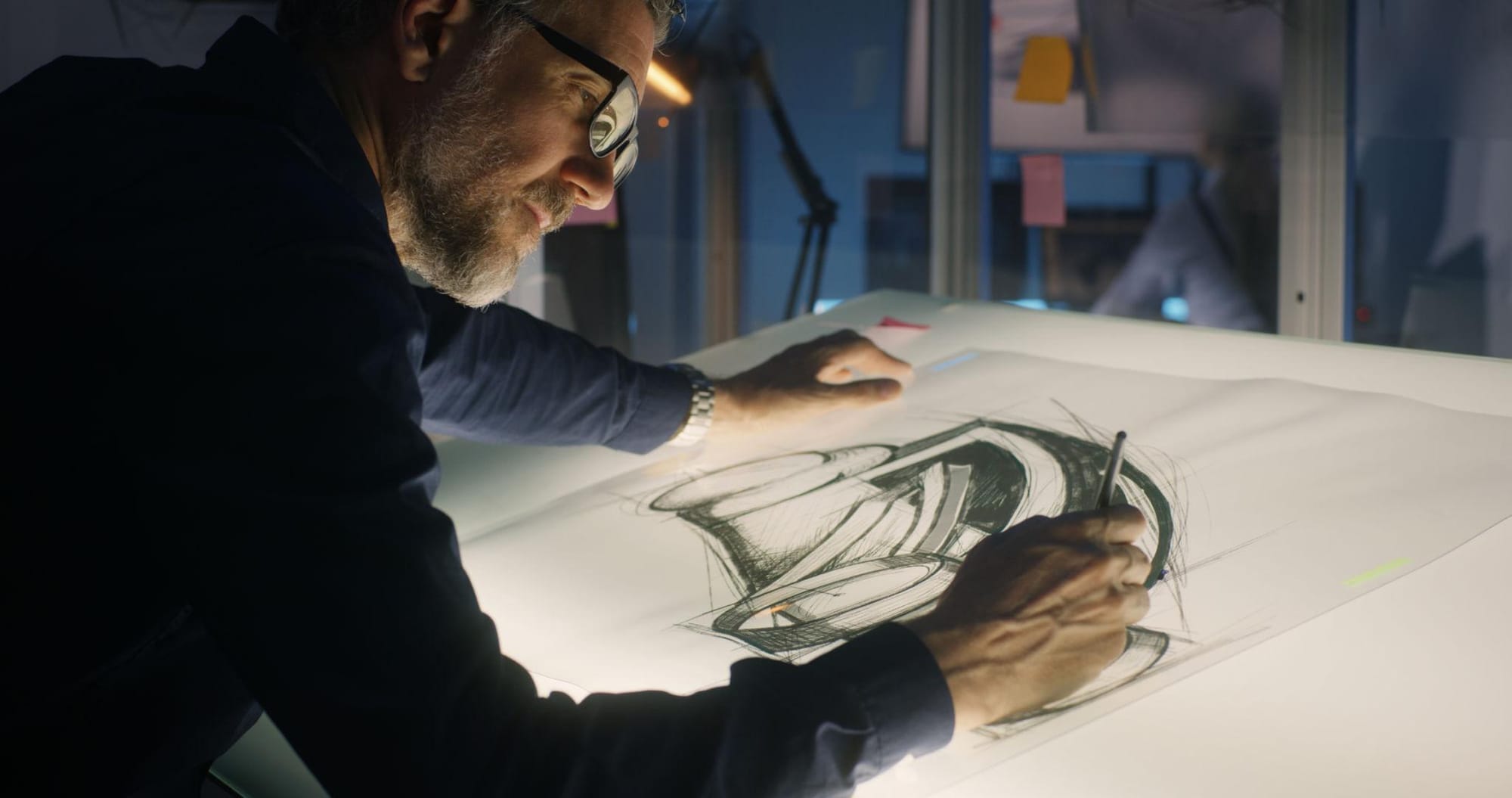
Every iconic automobile begins long before the first sheet of aluminium is shaped or the first carbon-fibre panel leaves the mould. It starts with an idea—often captured in a simple sketch that explores proportion, movement, and emotion. Those early lines may appear uncomplicated, but they represent countless hours of observation, creativity, and engineering collaboration. Long before a car reaches a showroom or a racetrack, designers have already imagined how it should look, feel, and communicate its character.
Design is frequently mistaken for styling alone, yet in the automotive world it is far more comprehensive. Every surface, curve, and proportion must satisfy both artistic and engineering requirements. A dramatic roofline may improve aerodynamics, while a sculpted air intake may cool critical mechanical components. The challenge is not simply to create a beautiful object but to ensure every visual element contributes to the vehicle's overall performance and purpose.
This relationship between creativity and engineering has produced some of the most celebrated automobiles in history. From elegant grand tourers to cutting-edge hypercars, the world's greatest performance vehicles demonstrate that exceptional design is rarely accidental. Instead, it emerges through collaboration, refinement, and an unwavering commitment to detail.
Where Every Great Design Begins
The first sketches of a new automobile are rarely perfect. Designers may produce hundreds of illustrations before a single direction is selected for further development. These early concepts explore everything from wheel placement and cabin proportions to lighting signatures and aerodynamic forms. Some ideas are deliberately bold, while others build upon the heritage of an existing model.
During this stage, creativity is encouraged without the immediate constraints of manufacturing or engineering. Designers search for a visual identity that captures the personality of the future vehicle. Should it appear aggressive or elegant? Should the lines communicate speed even while standing still? Can it remain timeless rather than fashionable? These questions guide every stroke of the pencil.
Although digital software now plays an important role, many leading automotive studios still begin projects with traditional hand sketches. Pencil and paper allow designers to experiment quickly, expressing emotion in ways that computer models often cannot. The sketch becomes the foundation upon which every future decision is built.
From Concept to Clay
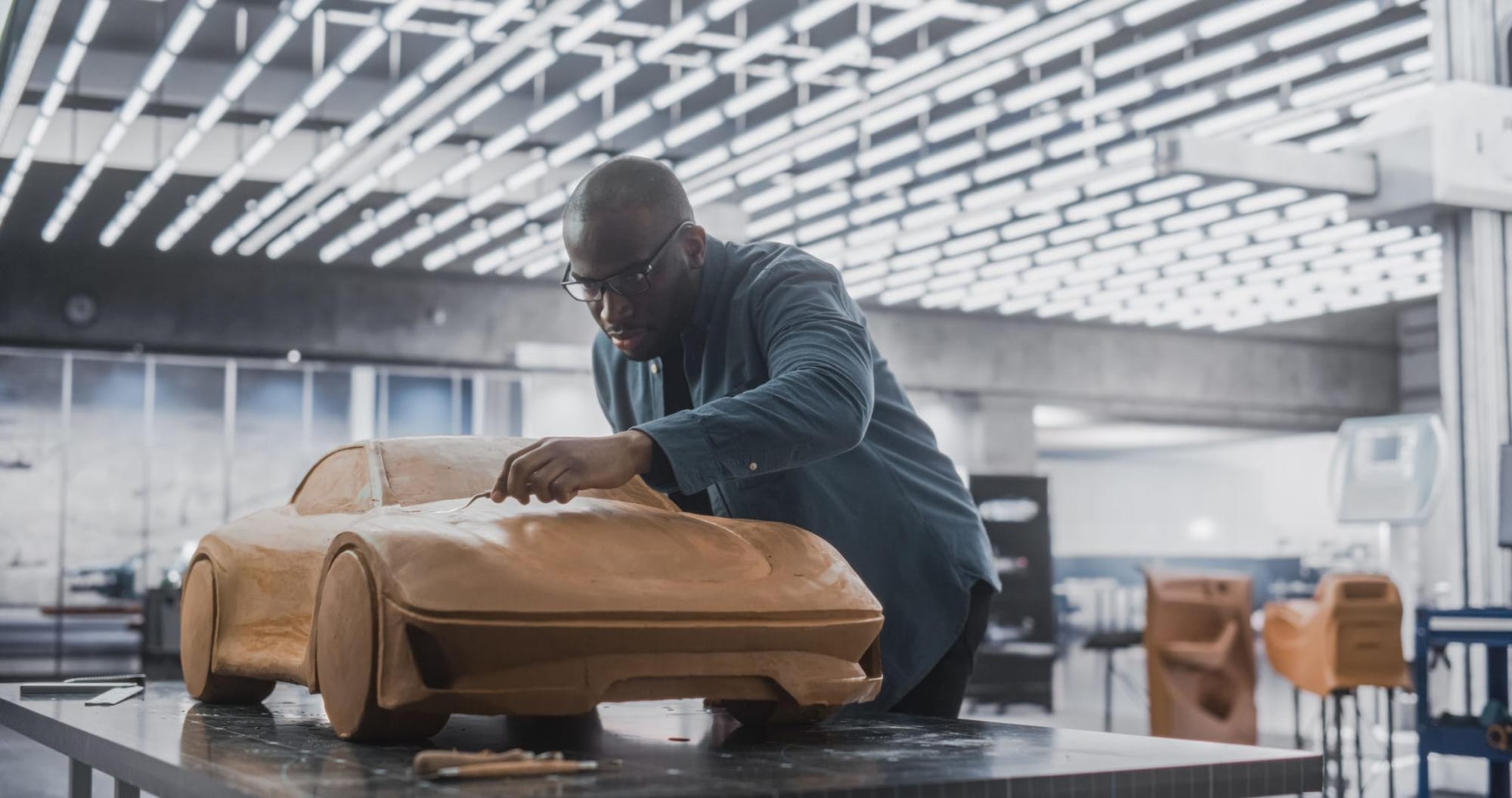
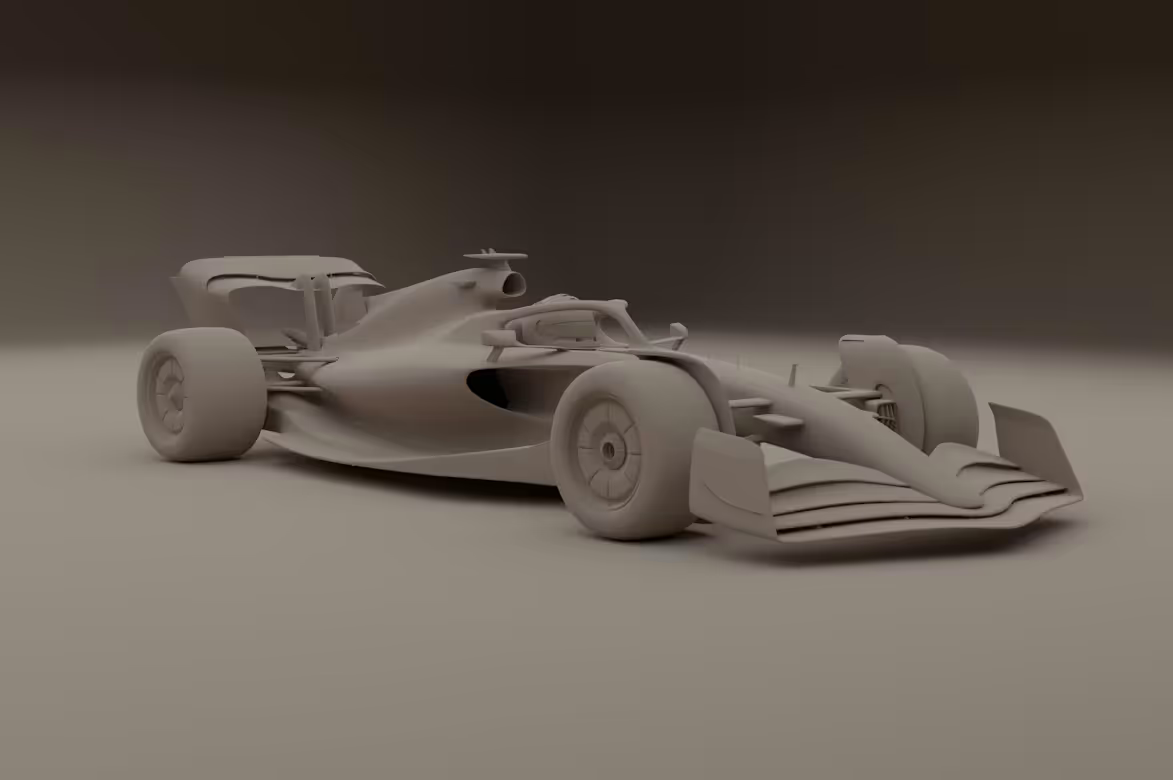
Once a promising direction has been identified, the design begins its transformation from two-dimensional illustration into three-dimensional form. While sophisticated digital modelling tools are widely used throughout the industry, physical clay modelling remains an essential part of automotive development.
Full-scale clay models allow designers and engineers to evaluate proportions, reflections, and surface transitions in real light. Walking around a life-sized model reveals subtle details that are difficult to appreciate on a computer screen. A shoulder line may appear too sharp, a roof may seem too tall, or a wheel arch may require only a few millimetres of adjustment to achieve visual harmony.
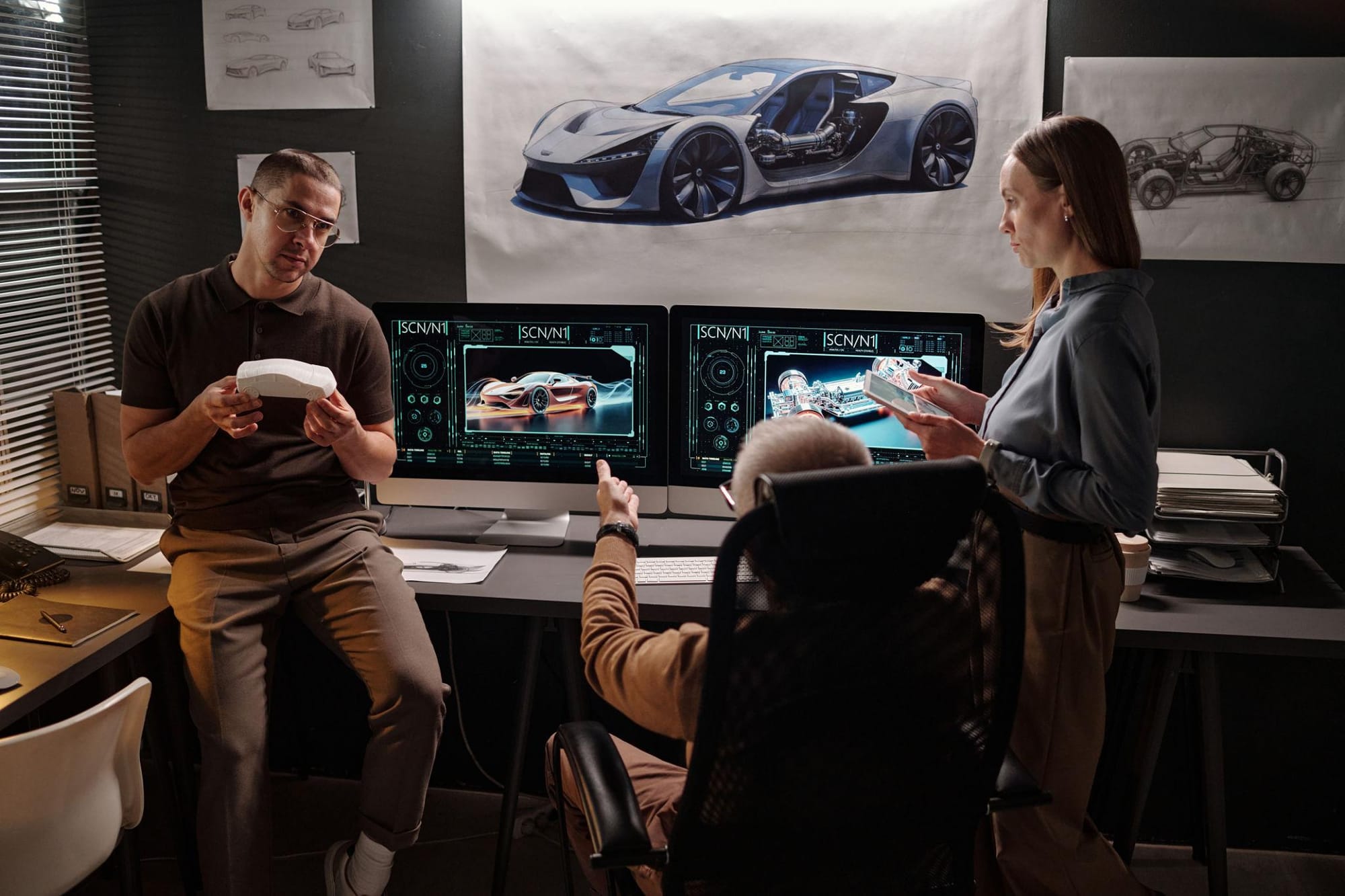
This process is remarkably collaborative. Designers, engineers, aerodynamic specialists, and manufacturing experts continually review the model together, refining every element until aesthetics and function reach the right balance. Even seemingly minor adjustments can dramatically influence the character of the finished automobile.
Rather than rushing toward production, manufacturers often spend months refining these clay models. Patience at this stage ensures that every proportion feels intentional and every surface contributes to the vehicle's identity.
When Engineering Shapes Every Line
As automotive design evolves, creativity alone is no longer enough. Every modern supercar must satisfy demanding aerodynamic, safety, and engineering requirements without losing its visual identity. This is where designers and engineers work side by side, refining every surface until form and function become inseparable.
A sculpted front bumper is not simply an aesthetic feature—it channels air towards cooling systems while improving stability at high speeds. Side intakes direct airflow to the engine, diffusers manage air beneath the vehicle, and carefully shaped body panels reduce turbulence. Even seemingly simple details such as door mirrors, wheel arches, or rooflines often undergo countless revisions before reaching production.
The most successful designs make these engineering solutions almost invisible. Instead of appearing overly technical, the finished automobile feels balanced, elegant, and effortless. This harmony between performance and beauty is what separates timeless automotive design from styling that quickly becomes outdated.
"Exceptional automotive design begins with creativity but is perfected through engineering."
Materials That Define Modern Supercars
Modern automotive design is also shaped by the materials available to designers and engineers. Carbon fibre has transformed the way performance vehicles are built, allowing manufacturers to reduce weight while increasing structural strength. Aluminium continues to provide an excellent balance between durability and efficiency, while advanced composites offer new possibilities for aerodynamic bodywork.
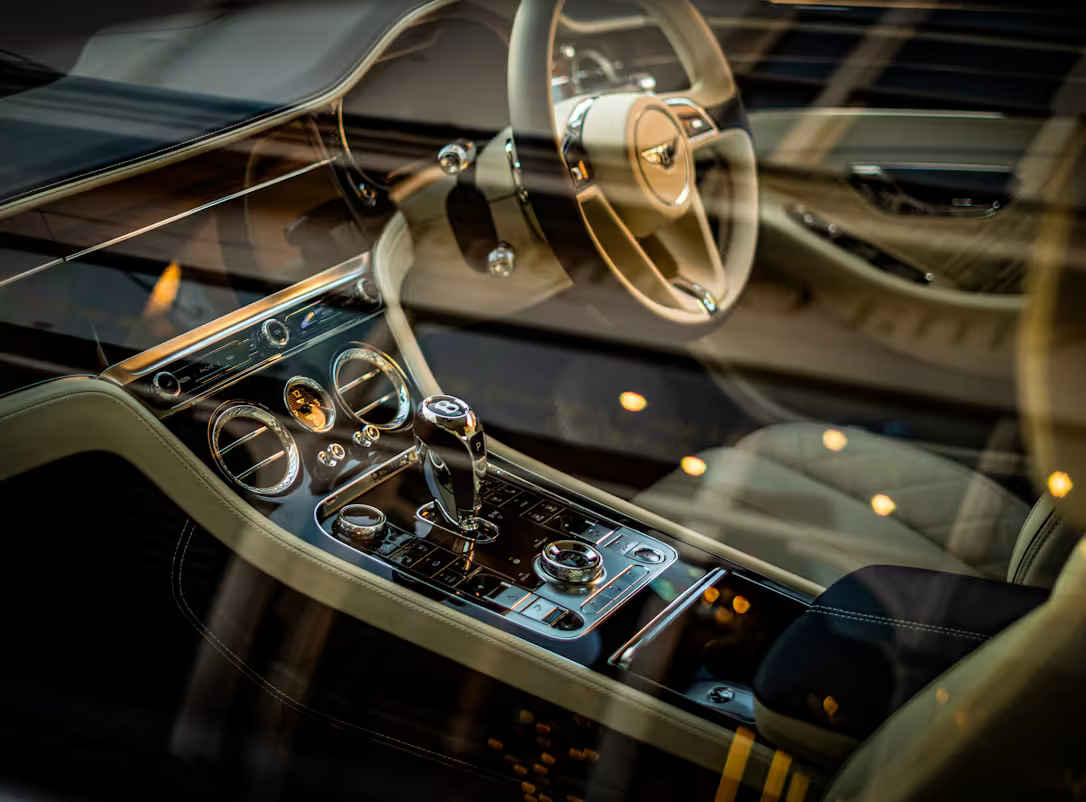
Inside the cabin, materials influence both appearance and experience. Leather, Alcantara, brushed aluminium, exposed carbon fibre, and precision-machined controls create an environment that reflects the vehicle's character. Every texture, stitch, and finish contributes to the feeling of quality that owners expect from a premium automobile.
Material selection is never based on appearance alone. Designers consider weight, durability, manufacturing methods, sustainability, and tactile quality before choosing what ultimately reaches production. The goal is to create a cabin that feels as rewarding to touch as it is to admire.
Designing for Today While Inspiring Tomorrow
One of the greatest challenges facing automotive designers is creating vehicles that remain visually relevant for decades rather than years. Fashion trends change quickly, but truly iconic automobiles continue to feel desirable long after their introduction.
Manufacturers achieve this by focusing on proportion instead of decoration. A well-balanced stance, harmonious body lines, and carefully controlled surface transitions often age far better than exaggerated styling details. Many of the world's most admired performance cars continue to look contemporary because their designs were guided by purpose rather than temporary trends.
Designers also consider how future technologies may influence their work. Electrification, advanced lighting systems, digital interfaces, and sustainable materials are already changing the appearance of modern automobiles. The challenge is to embrace innovation while preserving the emotional qualities that make great cars instantly recognisable.
The Collaboration Behind Every Icon
Although individual designers often receive public recognition, no exceptional automobile is created by one person alone. Every production car represents the combined efforts of designers, engineers, clay modellers, aerodynamic specialists, manufacturing experts, and craftspeople working toward a shared vision.
Throughout development, every decision is questioned, refined, and tested repeatedly. A design that appears effortless on the road may have undergone thousands of hours of sketching, modelling, engineering analysis, and prototype evaluation before reaching production.
This collaborative process ensures that every finished automobile achieves far more than visual appeal. It becomes a carefully engineered object where creativity, technology, and craftsmanship exist in perfect balance.
Conclusion
The journey from sketch to supercar is one of the most fascinating creative processes in the automotive world. What begins as a simple drawing gradually evolves through countless stages of refinement, combining artistic vision with engineering precision until it becomes a machine capable of inspiring drivers for generations.
Great automotive design is never simply about appearance. It is about solving complex engineering challenges while creating forms that communicate movement, performance, and emotion. Every successful supercar reflects the collaboration of talented individuals who understand that beauty and functionality are most powerful when developed together.
As automotive technology continues to evolve, the tools and materials may change, but the principles of exceptional design remain remarkably constant. Creativity, craftsmanship, and attention to detail will always define the automobiles that leave a lasting mark on automotive history.
Explore our editorial features celebrating the creativity, craftsmanship, and engineering behind the world's most iconic performance cars.
About the Writer

Genevieve Laurent
Automotive Design Editor exploring coachbuilding, interior craftsmanship, materials, and the creative vision shaping modern and classic automobiles through exceptional design.
Discussion
More from this issue.
The Craft of Automotive Interiors.
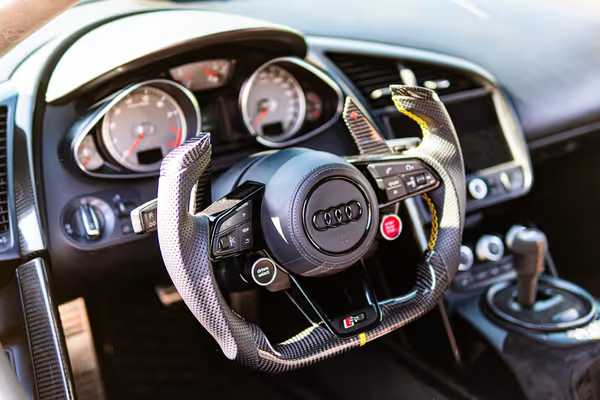
An automobile's interior is where design becomes an experience, combining materials, ergonomics, craftsmanship, and atmosphere in a space built around the driver.
 Genevieve Laurent

The Rise of the Performance Wagon.
Performance wagons challenged the idea that practicality and driving excitement belonged to separate worlds, combining everyday versatility with serious performance.
 Alexander Moreau

The Art of Automotive Photography.
Automotive photography transforms machines into visual stories, capturing design, movement, atmosphere, and the emotions that surround exceptional cars.
 Sophia Harrington
· Printed in pixels, with care.