
The Art of Automotive Photography.
Automotive photography transforms machines into visual stories, capturing design, movement, atmosphere, and the emotions that surround exceptional cars.
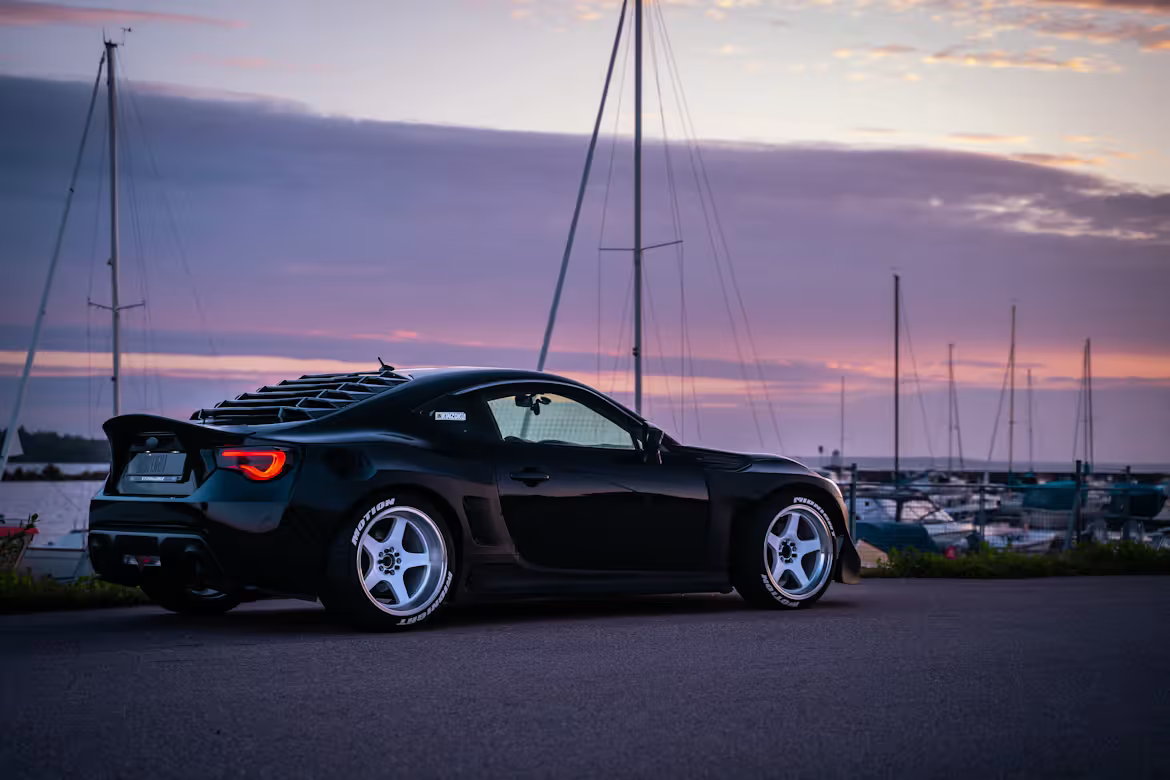
An automobile can be experienced through sound, movement, touch, and the road beneath its tyres. Photography captures something different. It freezes a particular moment and gives the viewer an opportunity to study the automobile without being behind the wheel.
A well-made automotive photograph can communicate far more than the appearance of a car. It can reveal the character of its design, suggest the experience of driving it, and place the automobile within a particular landscape or cultural moment.
This is what makes automotive photography such an important part of car culture.
A photograph can preserve an automobile long after the road trip has ended. It can document a rare design, capture a historic vehicle in its original environment, or turn an ordinary stretch of road into part of an automobile's identity.
Seeing the Design Differently
Automotive design is usually experienced as a complete object. When a car passes on the road, the viewer sees its silhouette for only a moment. Photography changes that relationship.
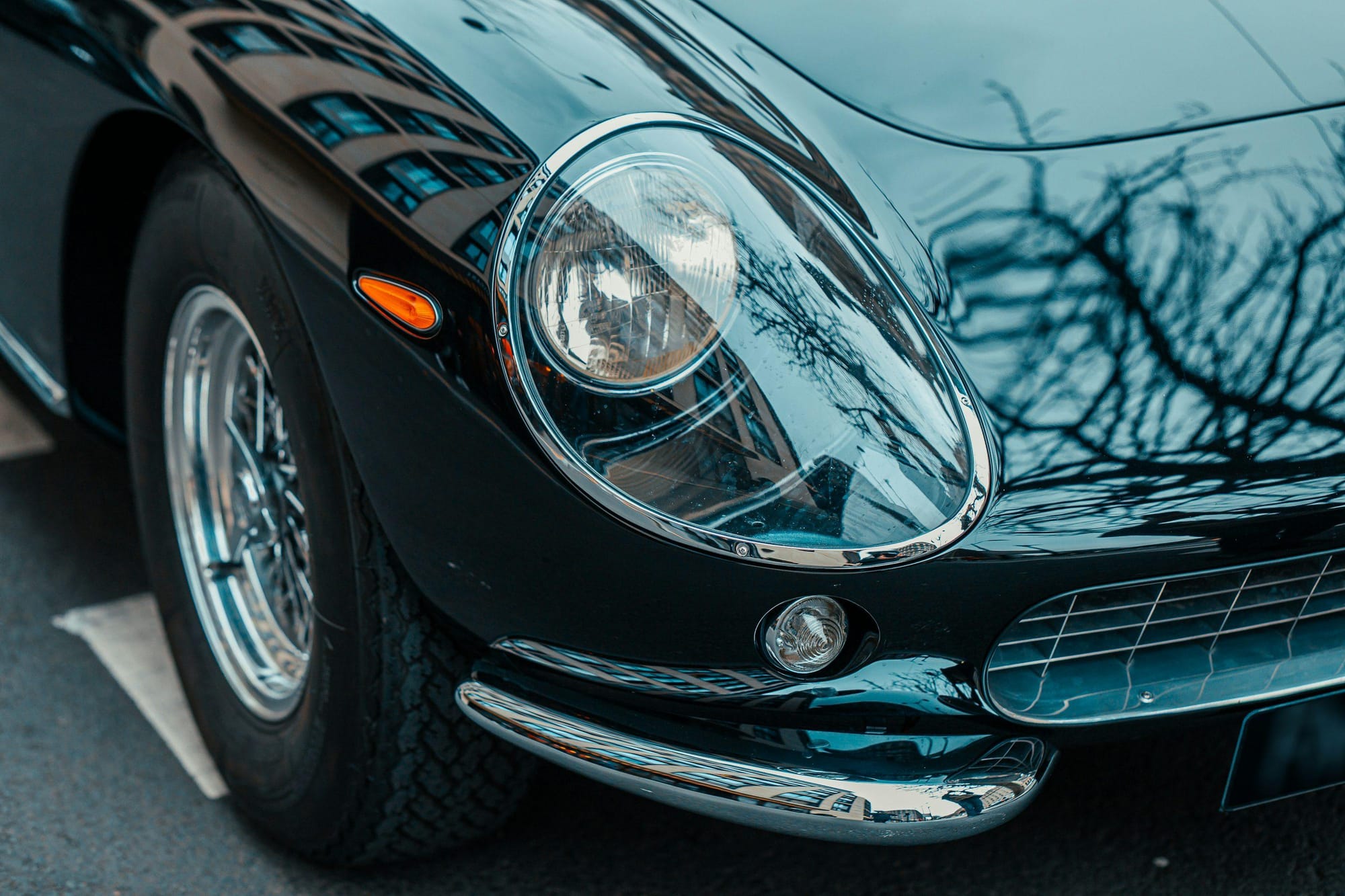
A carefully composed image can isolate a particular curve, surface, wheel, light, or interior detail and give it an entirely different presence.
This is particularly important with performance and collector automobiles, where design often contains layers of visual information. The relationship between the wheels and bodywork, the transition between different surfaces, or the shape of an air intake may reveal something about the philosophy behind the vehicle.
Photography allows these details to become the subject rather than simply part of the whole.
A single image can therefore communicate aspects of design that might otherwise disappear during a quick encounter.
Proportion Through the Lens
Perspective has an enormous influence on how an automobile appears.
A low camera position can make a car feel more imposing. A wider perspective can emphasise its stance, while a carefully chosen angle can reveal the relationship between the cabin, wheels, and bodywork.
The photographer is therefore making design decisions of their own.
They are choosing which proportions to emphasise, which surfaces to reveal, and how much of the surrounding environment should remain visible. The same automobile can appear elegant, aggressive, delicate, or imposing depending on how it is photographed.
This is why automotive photography has so much in common with automotive design itself.
Both disciplines are concerned with proportion, balance, shape, and visual communication.
Light Creates Character
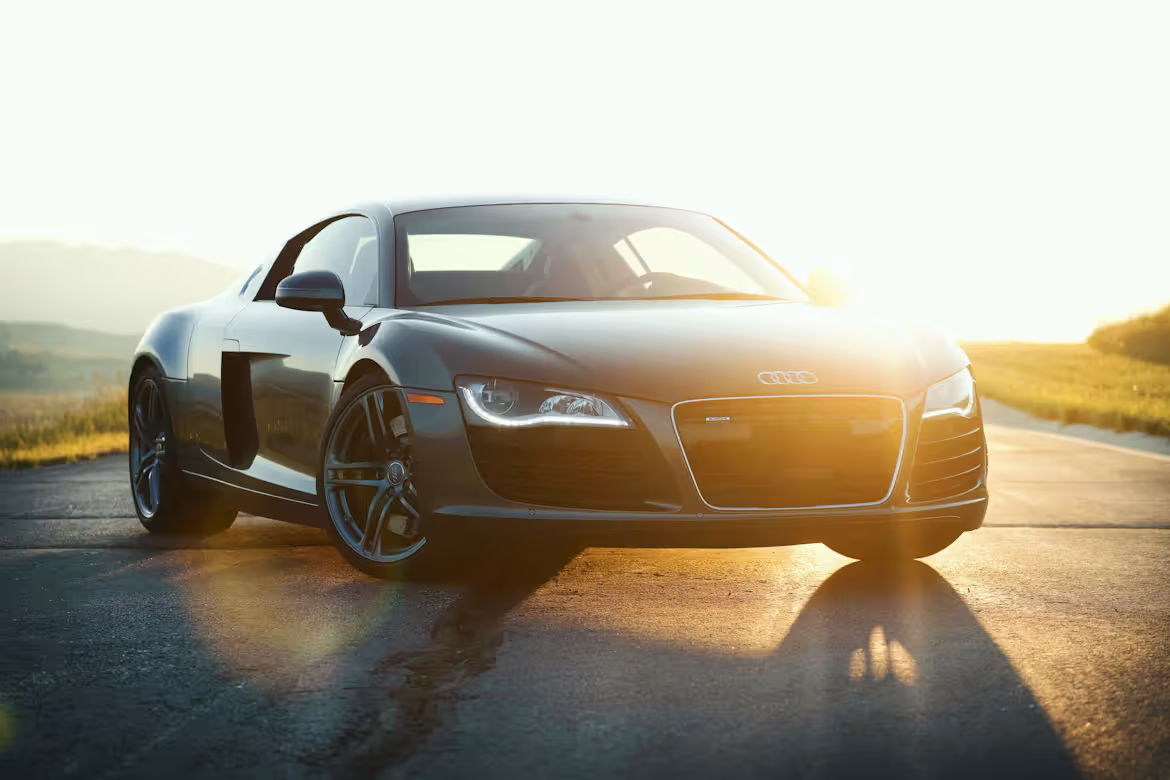
Few elements influence an automotive photograph more strongly than light.
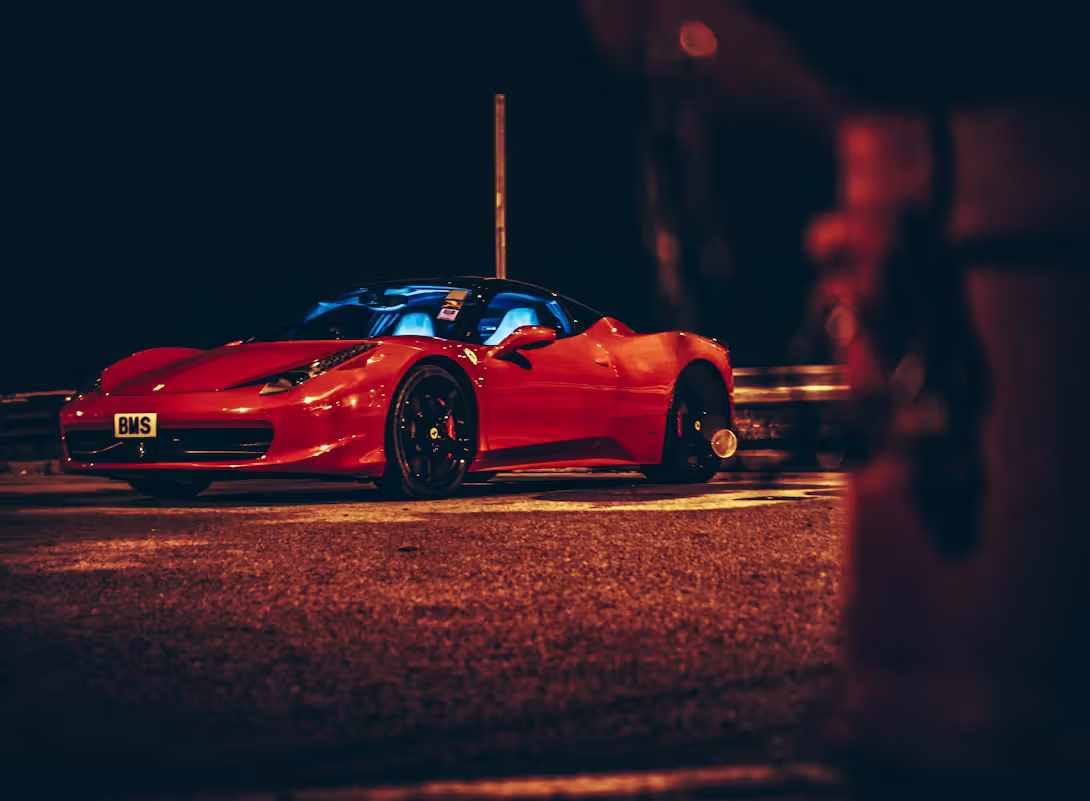
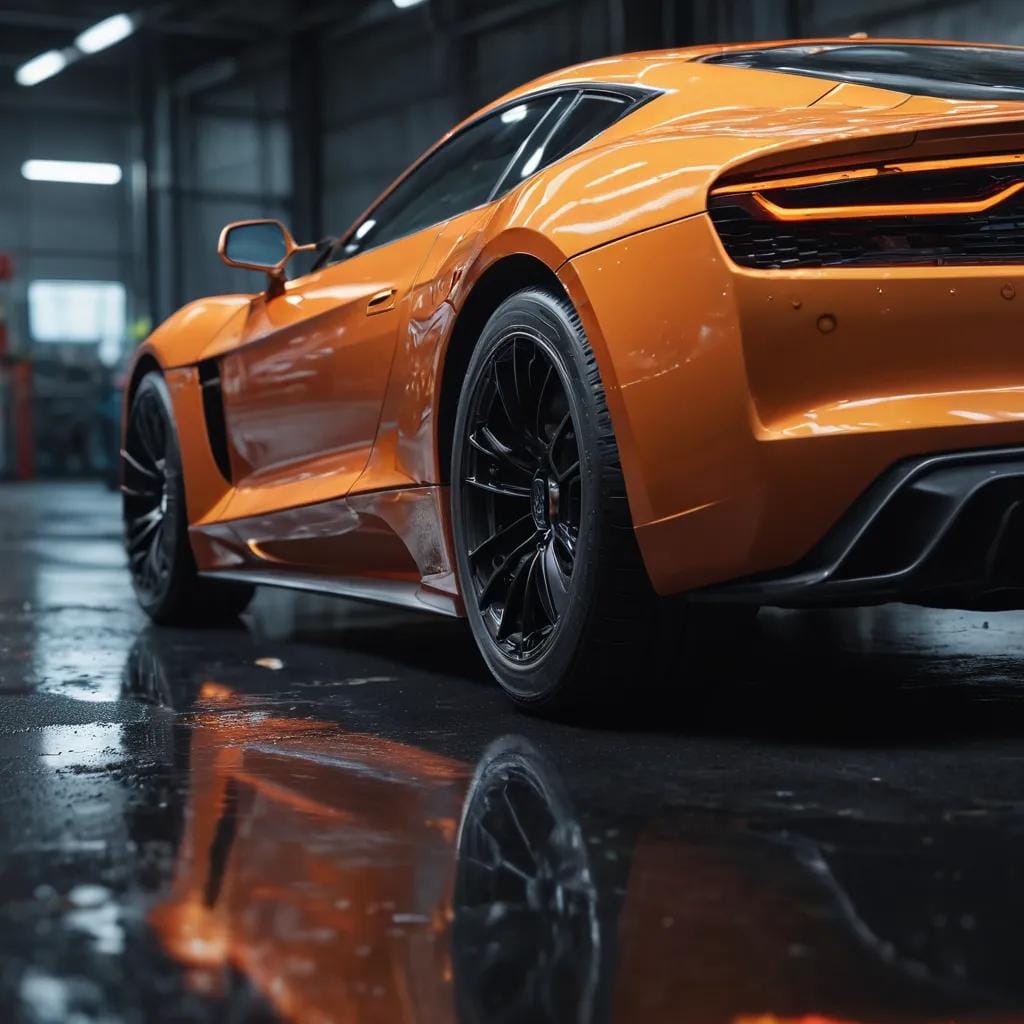
Early morning light can emphasise soft body contours, while the stronger contrast of late afternoon can create dramatic reflections across sculpted surfaces. Overcast conditions can reveal subtle details without producing harsh reflections, while nighttime photography can transform headlights and illuminated surfaces into major visual elements.
Automotive designers spend enormous effort shaping surfaces that interact with light. Photographers then use that same light to reveal the designer's work.
The result can be remarkably different from seeing the automobile under ordinary conditions.
A curved fender catches a reflection. A polished surface changes tone. A sharp crease becomes visible for only a moment.

Location Becomes Part of the Story
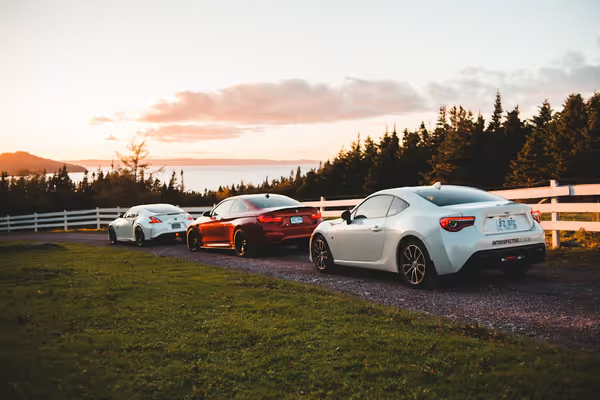
A car rarely exists visually in isolation. The environment surrounding it can influence how the viewer understands its character.
A grand tourer photographed on a sweeping coastal road communicates something very different from the same automobile positioned inside a city. A classic sports car surrounded by historic architecture can reinforce its connection to another era, while a modern performance car photographed against contemporary architecture can emphasise its technological character.
Location therefore becomes part of the narrative.
The road, landscape, architecture, and weather all provide context. They help answer a simple question:
Where does this automobile belong?
The strongest automotive images often feel as though the car and its environment were meant to be together.
Photographing Movement
A stationary automobile allows the photographer to focus entirely on design, but movement introduces another dimension.
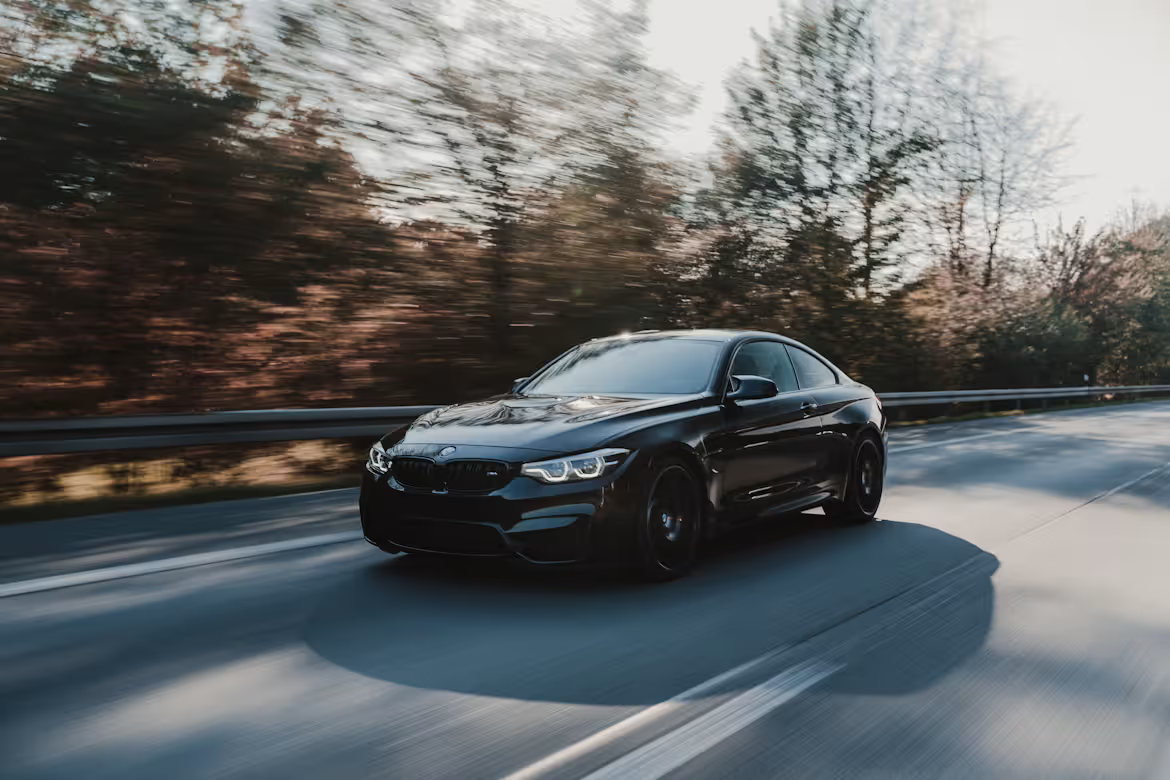
A car in motion communicates what it feels like to drive. Motion blur can suggest speed, while a sharp subject against a blurred background can place the viewer inside the journey. A carefully timed image can capture the instant a car changes direction, climbs a mountain road, or disappears around a corner.
The challenge is maintaining enough clarity to preserve the automobile's identity while allowing the image to communicate movement.
This is where timing becomes critical. The photographer is not simply documenting where the car is. They are anticipating where it will be, how the light will fall, and how the surrounding environment will react.
The best motion photographs feel spontaneous, even when the composition required extraordinary precision.
"The best automotive photograph doesn't just show where a car is. It suggests where it is going."
The Human Connection
Automobiles are machines, but automotive culture has always been fundamentally human.
Including a driver in an image can change the entire character of a photograph. Hands on the steering wheel, a helmet inside a racing cockpit, or a person standing beside a classic automobile can provide scale and context.
The human presence reminds the viewer that cars are designed to be experienced.
A photograph of an empty road and a sports car can suggest freedom. A driver concentrating through a corner communicates involvement. A group gathered around a classic automobile reveals the community that surrounds it.
The car remains the central subject, but the people around it give the image a story.
Editorial Versus Documentary
Automotive photography can serve very different purposes.
Editorial photography is often carefully constructed. The location, lighting, composition, and positioning of the automobile are selected to communicate a particular idea or mood. The resulting image can feel almost cinematic.
Documentary photography takes a different approach. It records automobiles and the people around them as they naturally appear. A crowded car gathering, an old workshop, a racing paddock, or an enthusiast working on a vehicle can reveal details that a carefully staged photograph might overlook.
Both approaches have value.
Editorial photography celebrates the automobile as an object of design and aspiration. Documentary photography preserves the culture surrounding it.
Together, they create a much richer visual record of automotive life.
Photography as Automotive Heritage
Photography also plays an important role in preserving automotive history.
Cars change ownership, workshops disappear, racing circuits evolve, and production models eventually leave the road. Photographs can preserve evidence of how these automobiles looked and how they were used during particular periods.
An old photograph of a sports car on a road can reveal more than its appearance. It may show period-correct wheels, original paint, historical surroundings, or details that later disappeared through restoration.
For collectors and historians, these visual records can become valuable pieces of context.
Photography therefore performs a role similar to preservation itself.
It captures a moment before that moment disappears.
The Future of Automotive Photography
Automotive photography is changing alongside the technology used to create it.
Digital cameras have made high-quality photography more accessible, while smartphones allow enthusiasts to document automobiles almost anywhere. Social platforms have also created enormous communities around automotive imagery, giving photographers opportunities to reach audiences that were once accessible only through magazines and specialist publications.
Yet greater accessibility has made originality more important.
When thousands of photographs of the same automobile exist online, the strongest images are often those that offer a distinctive perspective, meaningful location, or genuine story.
Future imaging technologies may introduce new ways of experiencing automobiles through immersive photography, interactive media, and increasingly sophisticated digital production.
But the essential objective will remain familiar.
Capture something worth remembering.
Conclusion
Automotive photography has become far more than a way of documenting cars. It is a form of visual storytelling that can communicate design, movement, history, atmosphere, and human emotion within a single frame.
A carefully composed image can reveal the elegance of a classic automobile, the aggression of a modern performance car, or the quiet beauty of a long road. Documentary photography can preserve the communities and traditions that surround those machines, while editorial photography can transform them into visual icons.
As automotive technology continues to evolve, photography will remain an important part of how we understand and remember the automobile.
Discover the people, stories, experiences, and creative perspectives that continue to shape automotive culture.
About the Writer

Sophia Harrington
Driving Experiences Editor exploring legendary roads, grand touring adventures, luxury automotive travel, and unforgettable journeys behind the wheel.
Discussion
More from this issue.
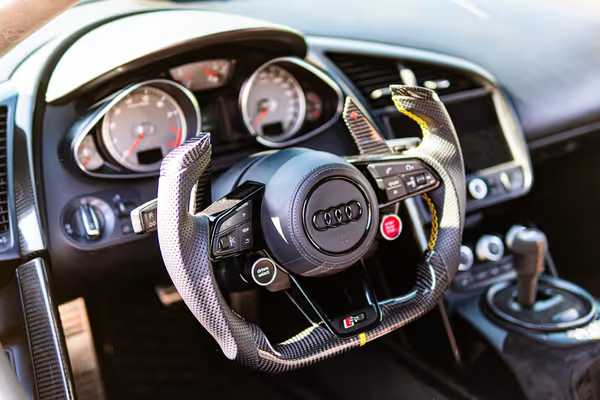
The Craft of Automotive Interiors.
An automobile's interior is where design becomes an experience, combining materials, ergonomics, craftsmanship, and atmosphere in a space built around the driver.
 Genevieve Laurent
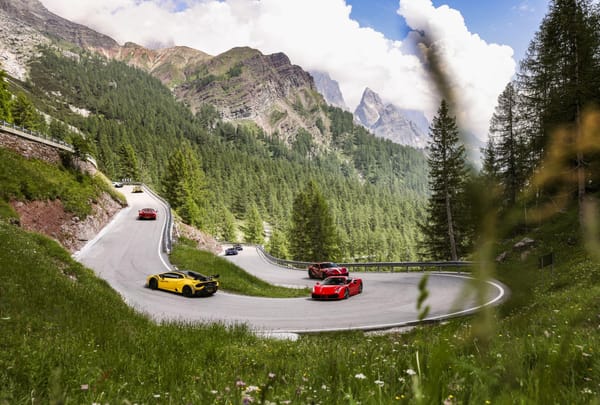
The World's Greatest Driving Roads Every Enthusiast Should Experience.
Some roads are more than routes between destinations—they're unforgettable driving experiences where engineering, scenery, and adventure come together in perfect harmony.
 Sophia Harrington
The Enduring Passion Behind Automotive Enthusiasm.
Automotive enthusiasm extends far beyond horsepower and performance. It is built on memories, craftsmanship, community, and the emotional connection people share with extraordinary automobiles.
 Theme Anax
· Printed in pixels, with care.