
The Rise of Electric Performance: Can EVs Replace the Supercar?.
Electric performance cars are rewriting acceleration records and redefining automotive engineering, but can they truly replace the emotional appeal of traditional supercars?

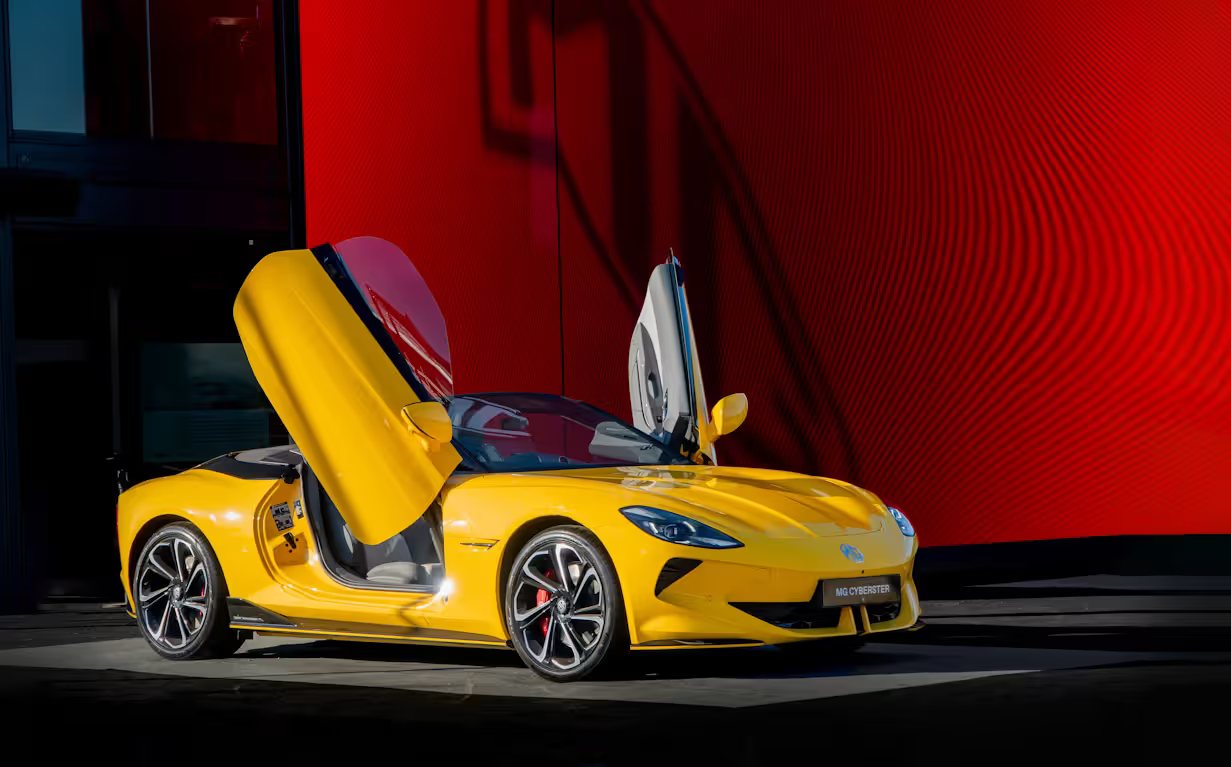
The automotive world is experiencing one of the most significant transformations in its history. For more than a century, the sound of a high-revving combustion engine defined performance. The roar of a V12, the whistle of a turbocharger, and the mechanical rhythm of shifting gears became symbols of speed, engineering, and driving passion. Today, however, a new generation of electric performance cars is challenging those traditions with astonishing acceleration, advanced technology, and an entirely different approach to automotive excellence.
Electric vehicles have evolved far beyond their early reputation as efficient city transportation. Modern performance EVs are capable of delivering breathtaking acceleration, precise torque distribution, and handling characteristics that rival many established supercars. Manufacturers that once built only combustion-powered performance cars are now investing heavily in electrification, while new companies are demonstrating what is possible when high-performance engineering begins with an electric platform.
Yet one important question continues to divide enthusiasts. Can electric performance cars truly replace the emotional connection that has defined the world's greatest supercars, or will they create an entirely new category with its own unique identity? The answer lies not only in technology but in understanding what enthusiasts value most behind the wheel.
Performance Has Been Redefined
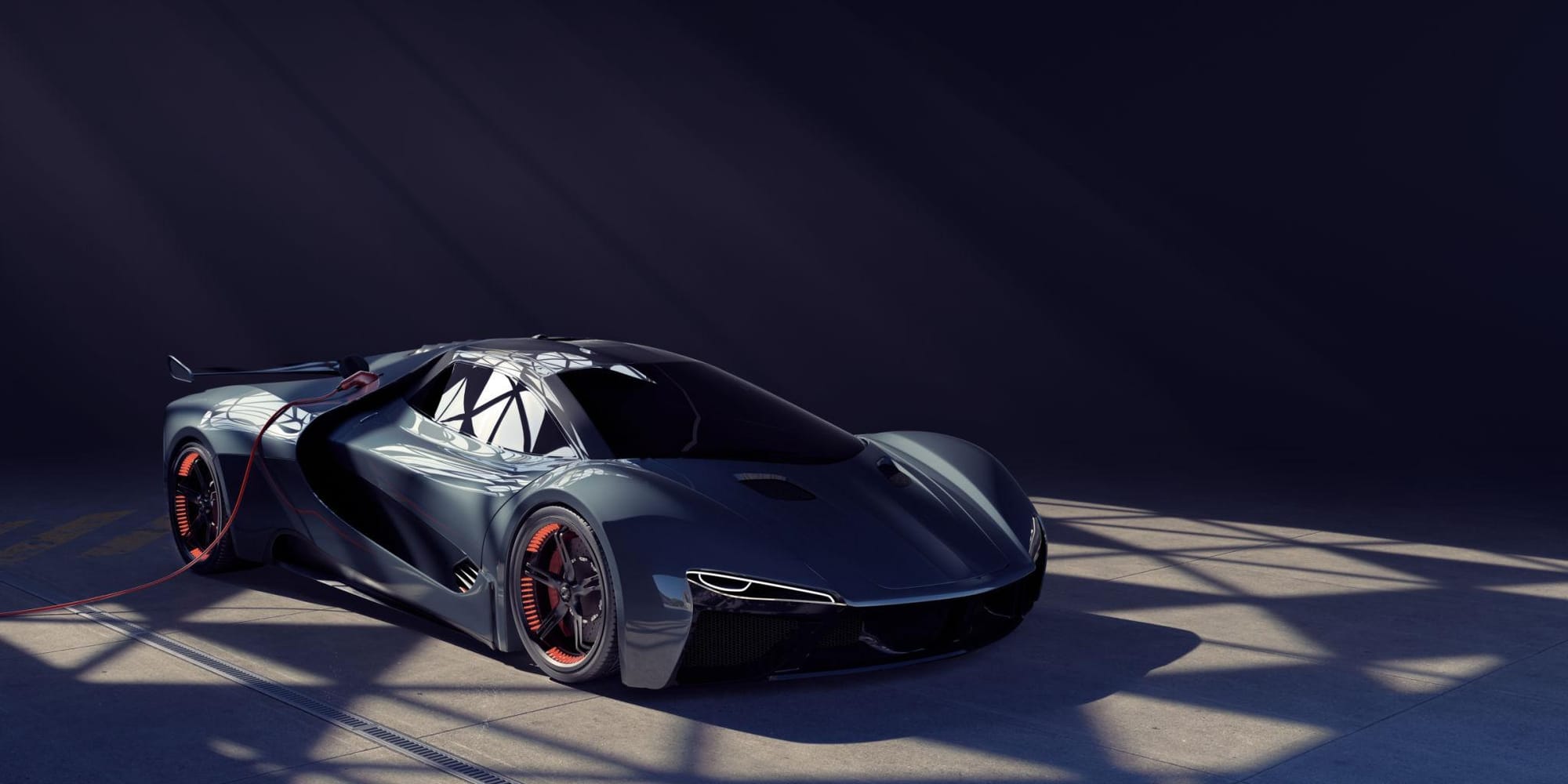
For decades, increasing performance usually meant developing more powerful engines, improving aerodynamics, or reducing weight. Electric powertrains have changed that equation entirely. Instead of waiting for an engine to build power through increasing revs, electric motors deliver maximum torque almost instantly.
This immediate response creates acceleration that feels remarkably effortless. From a standstill, many electric performance cars can reach motorway speeds in just a few seconds, demonstrating levels of responsiveness once reserved for the world's most exclusive hypercars. Sophisticated software continuously manages power delivery, ensuring each wheel receives the traction required to maximise performance under changing driving conditions.
However, modern performance is no longer measured solely by acceleration figures. Engineers are increasingly focused on creating vehicles that inspire confidence through balanced handling, intelligent chassis control, and predictable responses. Advanced battery placement lowers the centre of gravity, improving stability through corners while enhancing overall vehicle balance.
These qualities demonstrate that electrification is changing more than the powertrain—it is reshaping the entire philosophy of performance car engineering.
Innovation Beyond the Battery
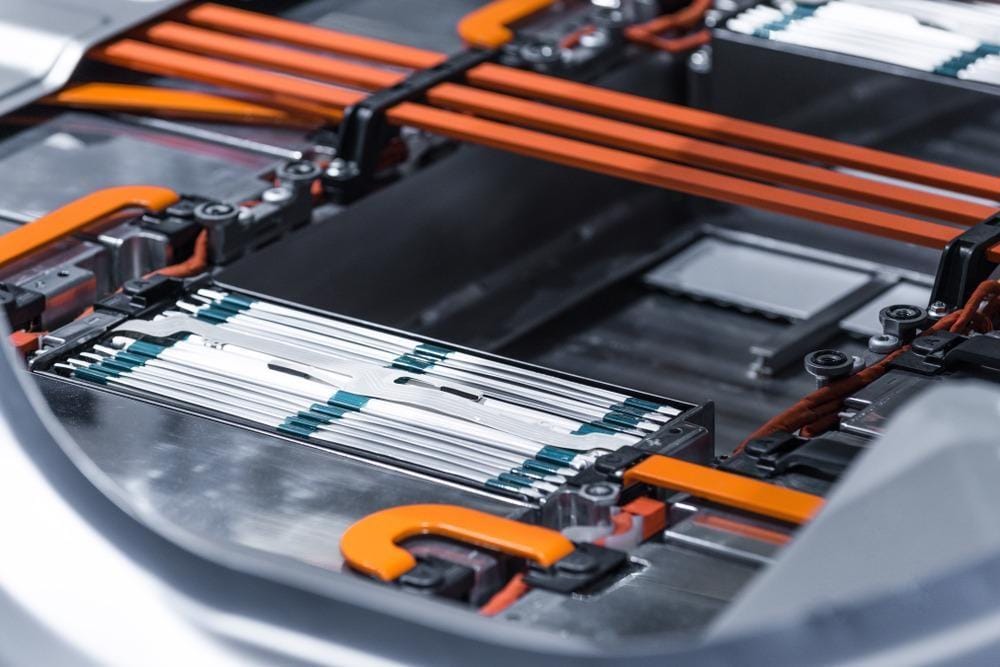
Although battery technology often dominates discussions about electric vehicles, it represents only one part of a much broader engineering transformation. Manufacturers are developing lightweight chassis, advanced thermal management systems, regenerative braking, intelligent torque vectoring, and highly sophisticated software capable of continuously adapting vehicle behaviour.
These technologies allow electric performance cars to deliver an experience that extends beyond impressive acceleration. Intelligent power distribution improves cornering precision, while advanced cooling systems maintain consistent performance during demanding driving conditions. Digital control systems monitor thousands of variables every second, optimising efficiency without reducing driver confidence.
Many of these innovations are already influencing the wider automotive industry. Lessons learned while developing high-performance electric vehicles are improving battery durability, charging efficiency, and vehicle dynamics across a growing range of production automobiles.
Rather than replacing traditional engineering, electrification is expanding it, creating new opportunities for designers and engineers to rethink what a performance car can become.

The Emotional Question Every Enthusiast Asks
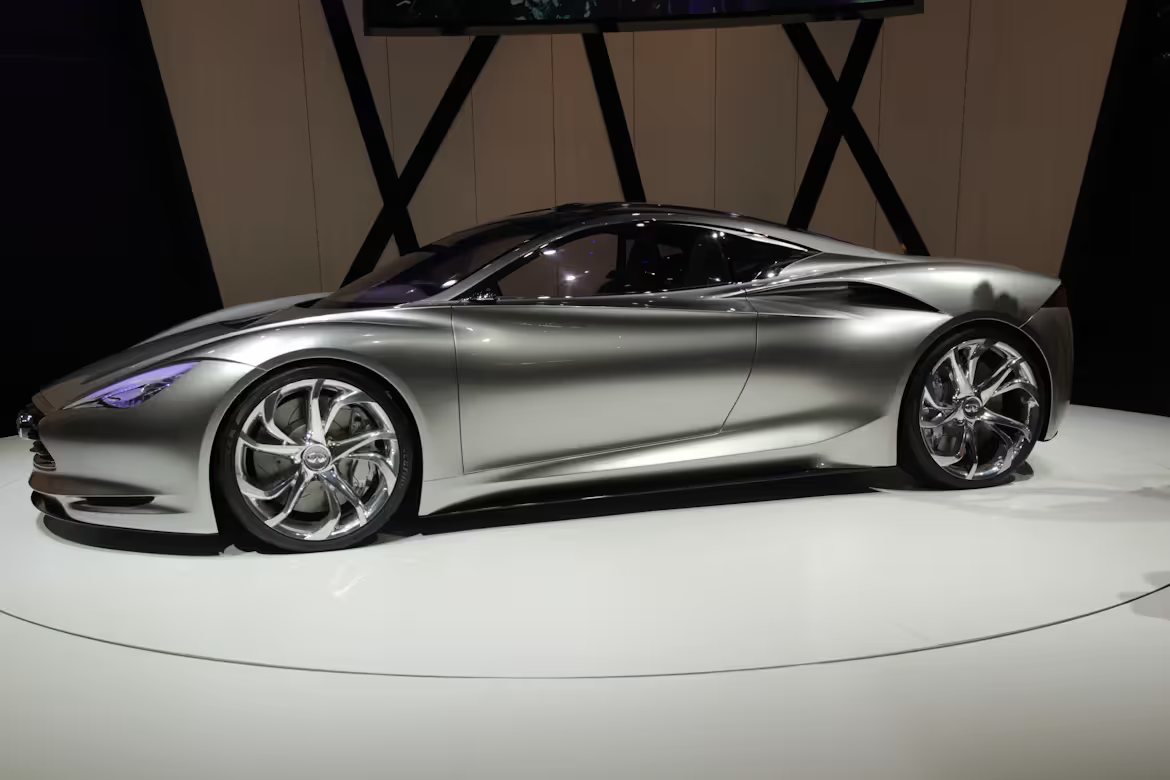
Despite the remarkable achievements of electric performance cars, one debate continues to dominate conversations among enthusiasts. Can instant acceleration and advanced technology truly replace the emotional experience of a traditional supercar?
For many drivers, the appeal of a performance car extends beyond numbers. It includes the sound of a naturally aspirated engine climbing through the rev range, the tactile feedback of steering through a sweeping corner, and the mechanical relationship between the driver and the machine. These experiences have shaped automotive passion for generations.
Electric performance cars approach emotion differently. Instead of dramatic engine notes, they offer seamless acceleration, remarkable precision, and an almost effortless delivery of power. The experience is quieter but no less impressive. Rather than recreating the past, they introduce a new interpretation of performance—one built on instant responsiveness and technological sophistication.
Perhaps the question should not be whether electric cars can replace traditional supercars, but whether they can inspire a new generation of enthusiasts in their own distinctive way.
"Performance evolves with technology, but the passion for driving has always been defined by the experience behind the wheel."
A New Definition of Driver Engagement
One of the most common misconceptions surrounding electric performance cars is that they remove the driver from the experience. In reality, manufacturers are investing heavily in creating vehicles that remain engaging despite their fundamentally different powertrains.
Advanced chassis tuning, precise steering systems, adaptive suspension, and sophisticated torque vectoring allow engineers to shape the character of an electric performance car with remarkable accuracy. Instant torque can be distributed independently between wheels, improving cornering stability and delivering levels of precision that would be difficult to achieve using conventional drivetrains.
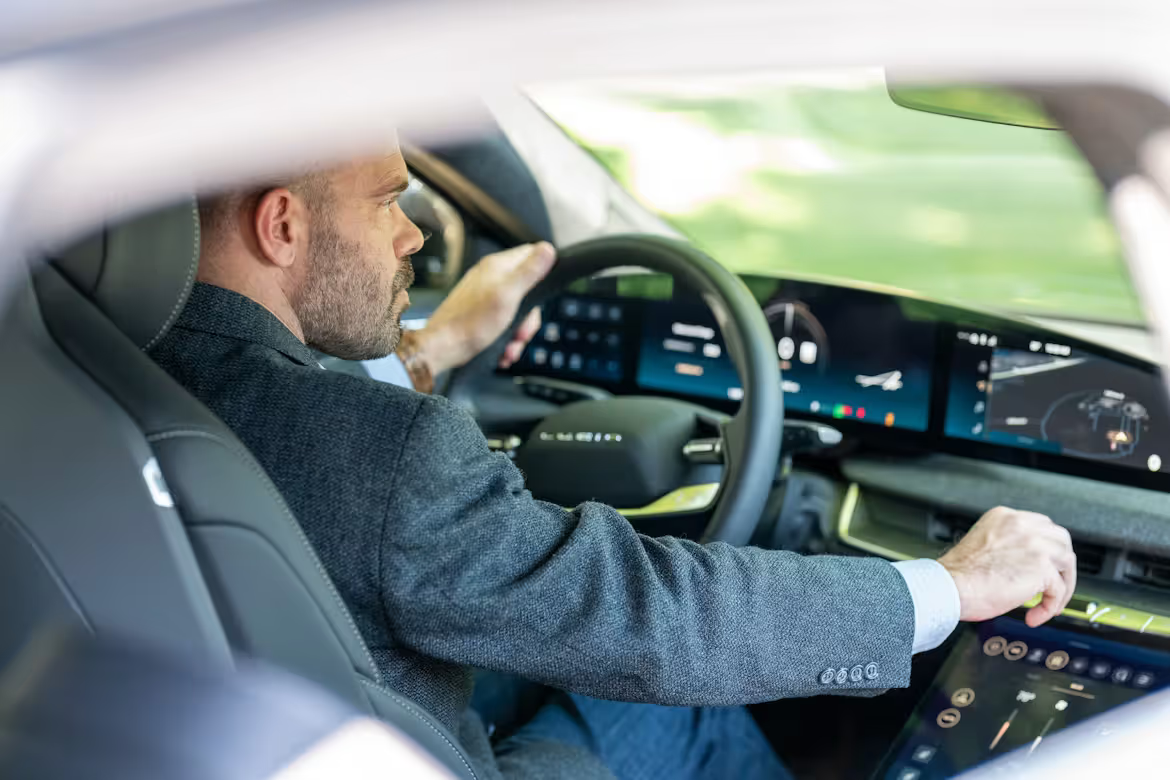
At the same time, manufacturers are carefully considering how drivers interact with these vehicles. Digital interfaces have become more intuitive, regenerative braking systems increasingly feel natural, and lightweight construction continues to improve agility despite the additional weight of battery packs.
The result is a driving experience that rewards confidence, precision, and smooth control rather than relying solely on engine character. It is different from the traditional supercar formula, but it remains deeply focused on driver involvement.
Can Two Generations of Performance Coexist?
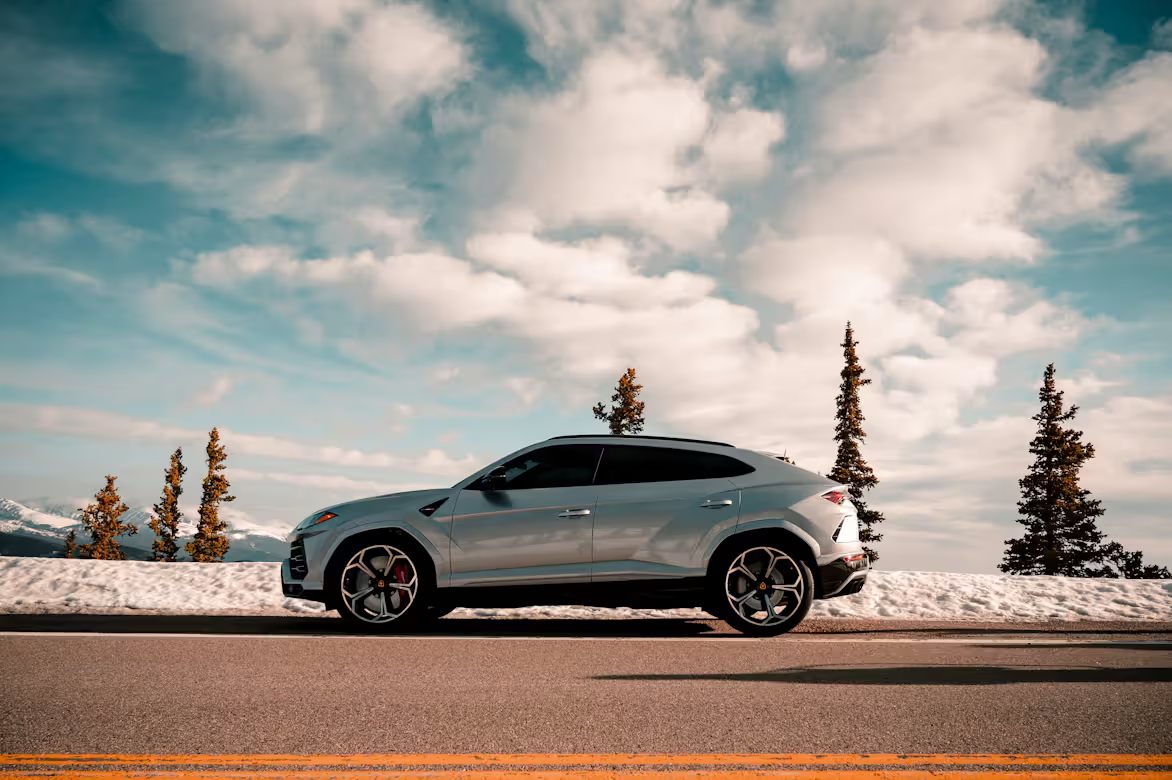
The future of high-performance automobiles is unlikely to be defined by a single technology. Instead, it is increasingly clear that combustion-powered, hybrid, and fully electric performance cars will coexist, each appealing to different types of enthusiasts and driving experiences.
Traditional sports cars continue to celebrate mechanical involvement, distinctive engine characteristics, and decades of engineering heritage. Hybrid supercars demonstrate how electrification can enhance rather than replace internal combustion, while fully electric performance vehicles showcase entirely new possibilities for speed, efficiency, and software-driven innovation.
Manufacturers are responding to a changing market by expanding rather than narrowing their engineering expertise. This diversity benefits enthusiasts by offering more choices than ever before, ensuring that performance remains accessible through multiple philosophies rather than a single formula.
Rather than viewing these technologies as competitors, many engineers see them as complementary chapters in the continuing evolution of the automobile.
The Road Ahead
Performance has always evolved alongside technology. Disc brakes replaced drums, fuel injection replaced carburettors, carbon fibre transformed lightweight engineering, and hybrid systems reshaped expectations for efficiency. Each innovation was initially met with scepticism before eventually becoming part of mainstream automotive engineering.
Electric performance cars represent the latest stage in that ongoing evolution. As battery technology improves, charging infrastructure expands, and lightweight materials continue advancing, engineers will gain even greater freedom to develop vehicles that combine exceptional performance with remarkable efficiency.
The future will not erase the achievements of traditional supercars. Instead, it will build upon them, introducing new ideas while preserving the spirit of innovation that has always driven automotive progress.
Conclusion
Electric performance cars have already transformed the automotive landscape. They have demonstrated that breathtaking acceleration, intelligent engineering, and exceptional handling can be achieved through technologies that were once considered alternatives rather than competitors to traditional performance.
At the same time, the enduring appeal of combustion-powered sports cars reminds us that enthusiasm is shaped by more than measurable performance. Sound, mechanical character, craftsmanship, and heritage continue to hold an important place within automotive culture.
The future of the supercar is therefore unlikely to be defined by replacement. Instead, it will be defined by choice. Traditional, hybrid, and fully electric performance cars will each contribute something unique to the automotive world, ensuring that innovation and passion continue to evolve together for generations of enthusiasts.
Discover how electrification, advanced engineering, and emerging technologies are redefining the future of performance automobiles.
About the Writer

Victoria Pemberton
Automotive Culture Editor covering concours events, museums, private collections, historic racing, and the people preserving automotive heritage around the world.
Discussion
More from this issue.
· Printed in pixels, with care.