
Why Cars Still Matter in a Changing Automotive World.
As technology transforms the automobile, the emotional connection between people, cars, and the open road remains stronger than ever.

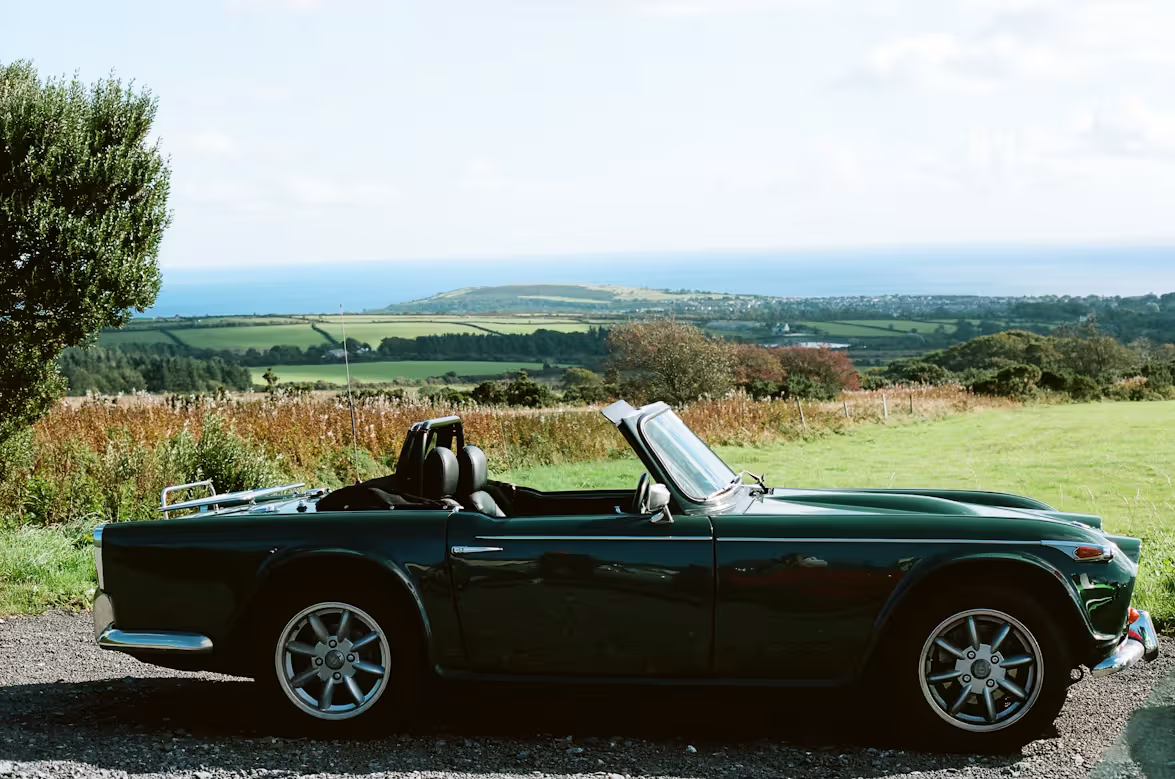
The automobile is changing faster than it has in generations. Electric powertrains are becoming increasingly sophisticated, software is transforming the way vehicles operate, and advanced driver assistance systems are changing the relationship between people and machines. Yet despite this transformation, something remarkably familiar remains: the emotional connection people have with cars.
For more than a century, automobiles have represented much more than transportation. They have carried families on holidays, taken friends on spontaneous journeys, introduced young drivers to independence, and provided enthusiasts with a way to explore roads they might otherwise never discover. A car can become part of a person's story in a way that few other everyday objects can.
That relationship is not disappearing simply because technology is changing. Instead, it is evolving.
The cars of tomorrow may sound different, use different powertrains, and rely on technologies that would have seemed unimaginable a generation ago. But the desire to experience a beautiful machine, discover a memorable road, or share an extraordinary automobile with others remains deeply rooted in automotive culture.
More Than a Way to Travel
Modern transportation is increasingly defined by efficiency. Navigation systems calculate the fastest routes, vehicles optimise energy consumption automatically, and digital services make travelling easier than ever. These developments have transformed mobility, but they have not eliminated the desire to simply enjoy being on the road.
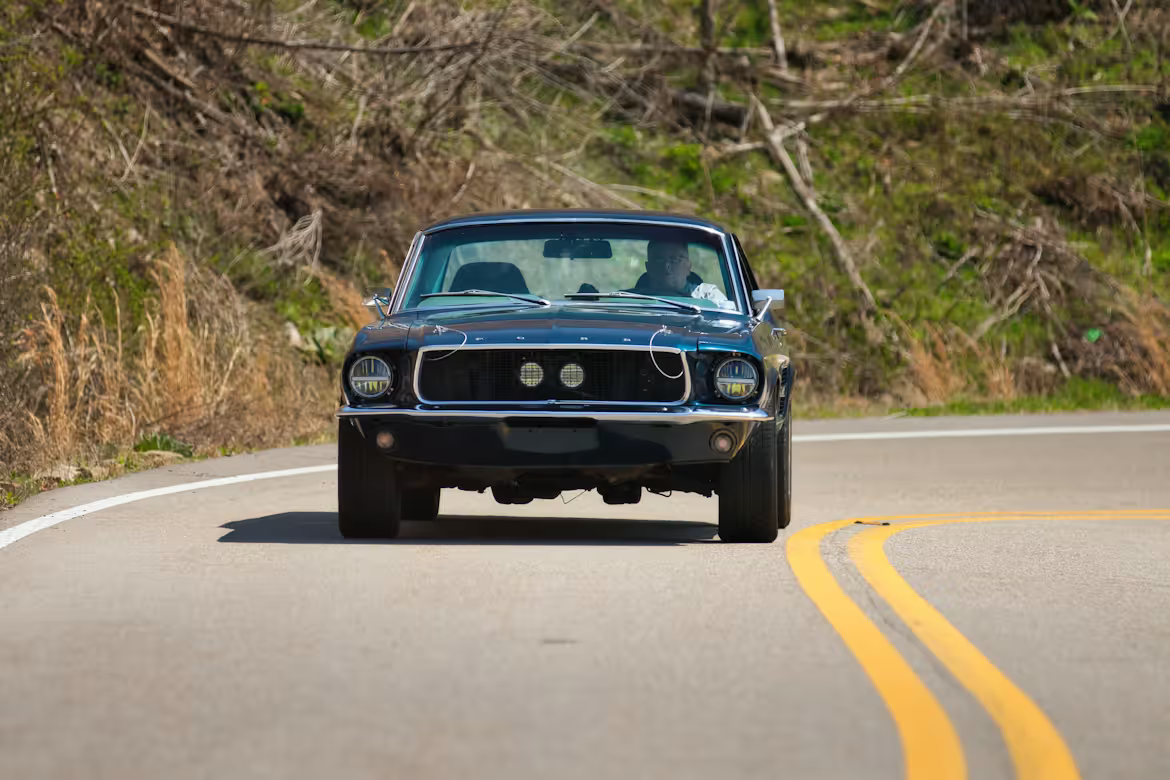
For enthusiasts, driving remains an experience rather than a task. The feel of a steering wheel, the changing landscape beyond the windscreen, and the rhythm of a winding road create a sense of involvement that cannot be reduced to arriving at a destination.
This is particularly evident on the world's great driving roads. A mountain pass or coastal highway can turn an ordinary journey into an experience worth remembering. The automobile becomes a tool for exploration, allowing drivers to discover places at their own pace rather than simply passing through them.
That freedom is one of the reasons cars continue to hold such a powerful place in popular culture.
The Emotional Value of Design
Automotive enthusiasm also begins long before an engine starts. Design has always played an important role in creating an emotional connection between people and automobiles.
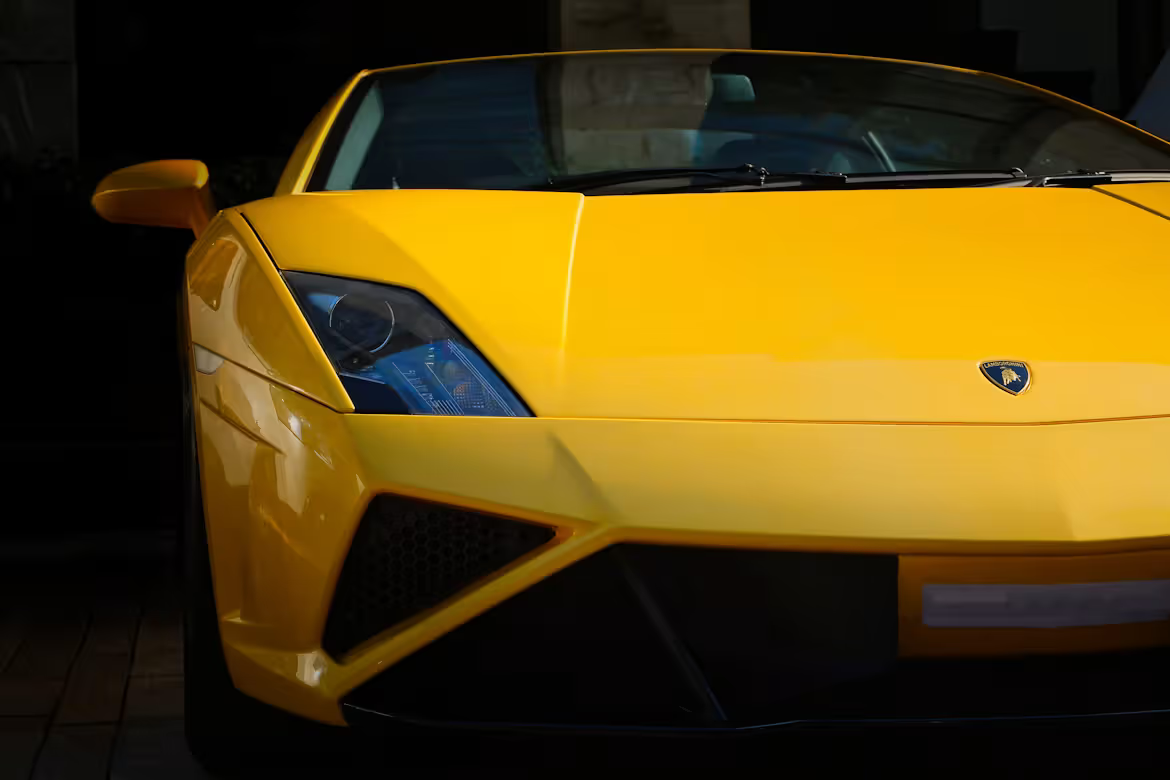
Certain shapes become instantly recognisable. A particular roofline, proportion, grille, wheel design, or silhouette can evoke an entire era of automotive history. Classic sports cars continue to attract admiration because their designs communicate character without requiring an explanation.
Modern automobiles approach design differently, incorporating advanced aerodynamics, digital lighting, sculpted surfaces, and new proportions made possible by changing powertrain technology. Yet the underlying objective remains familiar: create something people want to look at, interact with, and remember.
The most successful designs achieve something beyond visual appeal. They create identity.
This is why an automobile can become culturally significant even when another vehicle eventually surpasses it technically. Performance figures change with every generation, but a genuinely memorable design can remain relevant for decades.

Cars as Part of Personal Identity
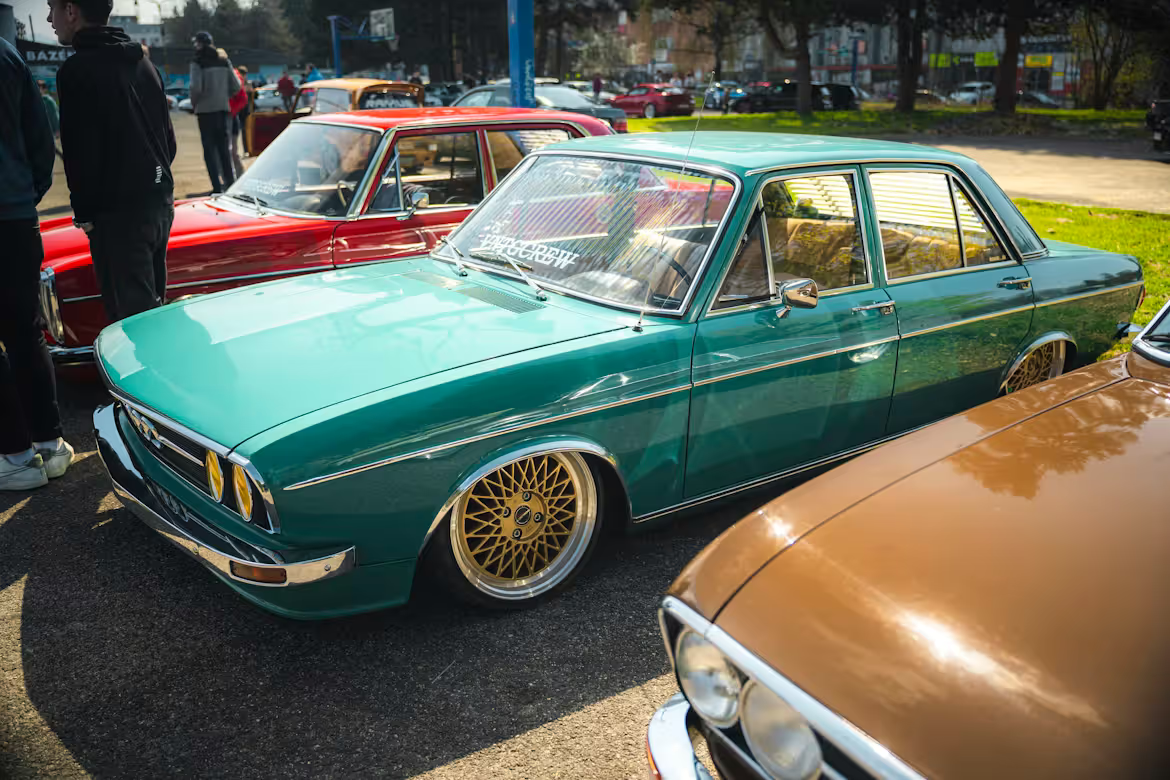
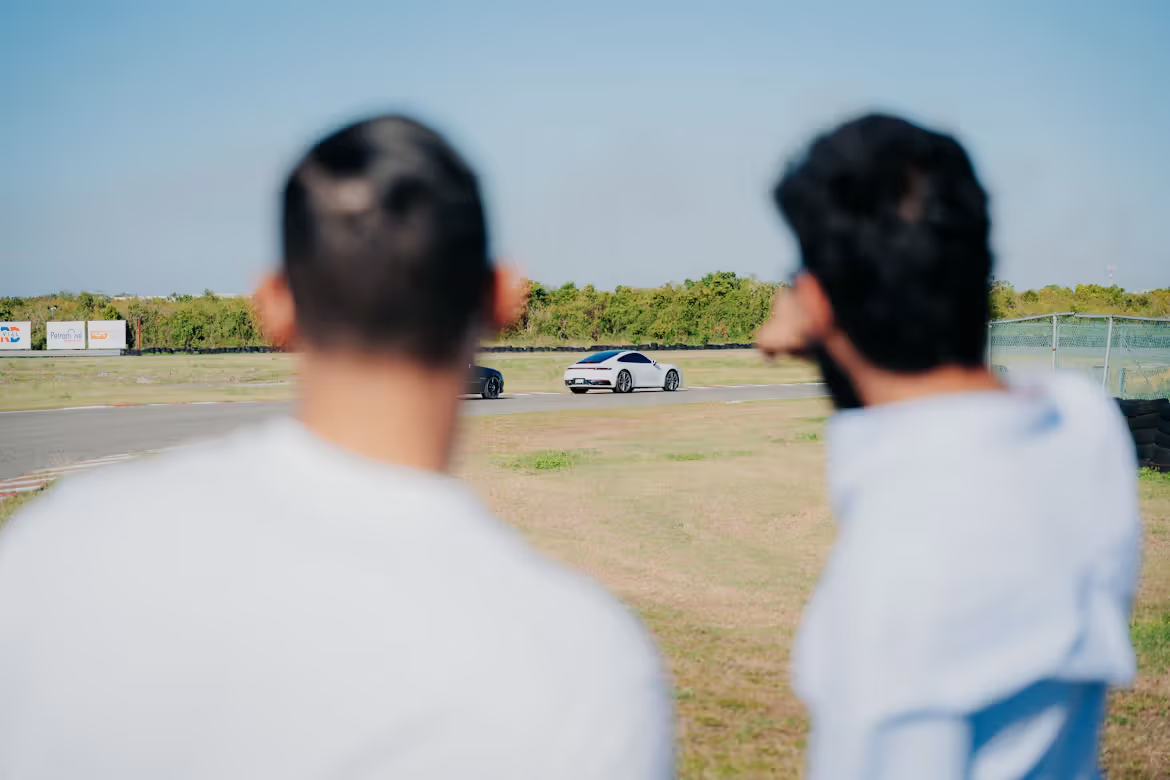
For many enthusiasts, a car becomes an extension of personal identity. The choice between a classic grand tourer, a lightweight sports car, or a modern performance EV often reflects individual taste, priorities, and the kind of experience a driver wants from the road.
This connection is not necessarily about owning the most expensive automobile. A modest sports car with a memorable driving character can inspire just as much passion as an exotic supercar. What matters is the relationship between the driver and the machine.
That relationship often develops over time. A first car can represent independence. A favourite road car can become associated with years of memorable journeys. A carefully restored classic can connect its owner with an earlier chapter of automotive history.
These stories give automobiles a meaning that specifications alone can never communicate.
"The cars we remember most are rarely the ones with the biggest numbers. They are the ones connected to our best memories."
Communities That Keep the Culture Alive
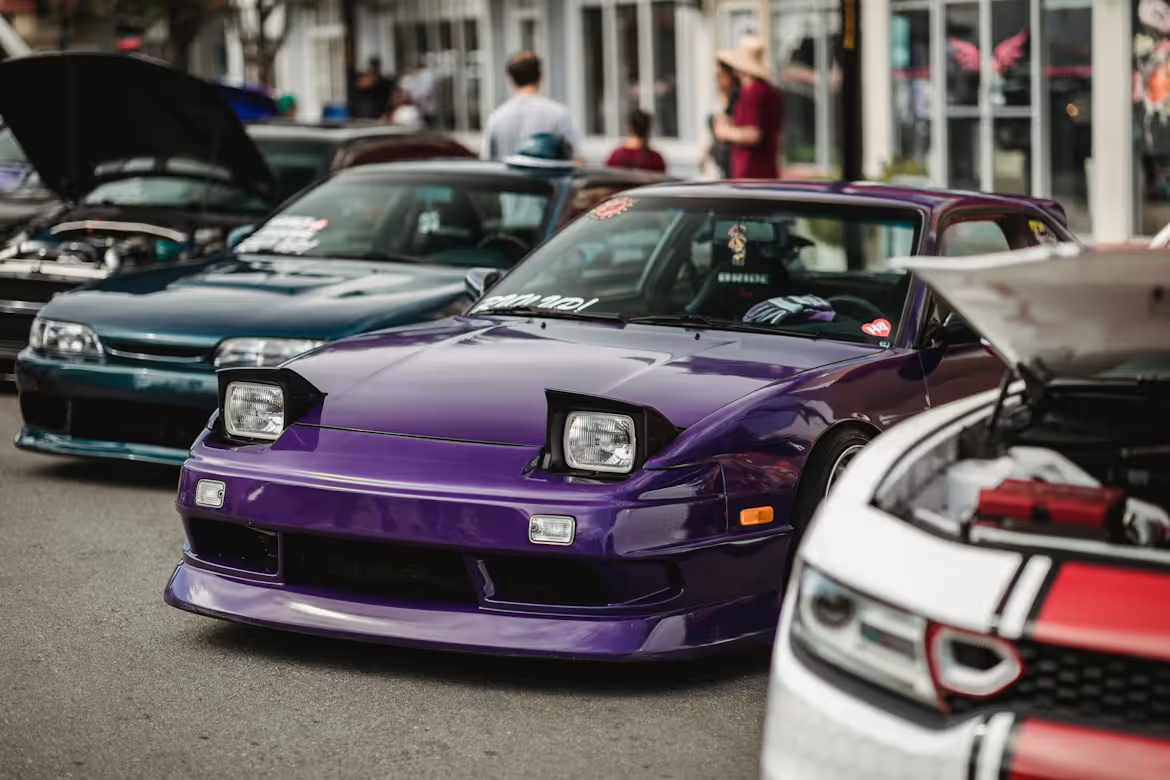
Automotive culture has always been strengthened by community. Enthusiasts gather at local meets, classic-car events, concours exhibitions, driving clubs, and informal weekend gatherings to share something that goes far beyond ownership.
A conversation about a particular automobile can quickly become a discussion about engineering, design, restoration, motorsport, or a memorable road trip. Experienced collectors pass knowledge to younger enthusiasts, while new generations introduce fresh perspectives and interests.
Digital communities have expanded this connection even further. Enthusiasts can now share photographs, restoration projects, technical knowledge, and driving experiences with people around the world. Yet physical gatherings remain special because automobiles become the starting point for genuine conversations between people who might otherwise never meet.
This community is one of the reasons automotive culture continues to survive periods of enormous technological change.
A New Era Does Not Mean the End of Car Culture
The transition toward electrification has created understandable questions about the future of automotive enthusiasm. If engines become quieter and mechanical systems increasingly rely on software, will the emotional connection between driver and automobile remain?
The evidence suggests that it will.
Electric performance cars have already demonstrated that a different powertrain can create its own form of excitement. Instant torque, sophisticated chassis systems, precise power distribution, and innovative design provide experiences that differ from traditional combustion cars without necessarily being less engaging.
The culture surrounding these vehicles will evolve in the same way automotive culture has always evolved. Enthusiasts will discover new technologies, develop new preferences, and create new traditions while continuing to celebrate the machines that came before them.
The arrival of a new automotive era should therefore be viewed as an expansion of car culture rather than its conclusion.
Preserving the Passion for Future Generations
Every generation becomes a temporary custodian of automotive history. The cars we admire today were once new, and many of the automobiles being introduced now will eventually become part of tomorrow's heritage.
Preservation therefore extends beyond maintaining physical vehicles. It includes documenting stories, sharing knowledge, protecting design history, and helping younger enthusiasts understand why certain automobiles mattered.
Classic cars, historic racing machines, and important engineering milestones provide context for everything being developed today. They demonstrate how ideas evolve and remind us that innovation is rarely created in isolation.
At the same time, today's enthusiasts have an opportunity to document the beginning of a new chapter. Future generations may look back at the transition from combustion engines to electrification with the same fascination that we now have for the earliest sports cars.
Conclusion
The automobile has changed enormously since its invention, yet its ability to inspire remains remarkably consistent. Cars continue to represent freedom, craftsmanship, exploration, design, engineering, and the memories created along the way.
The future will undoubtedly bring different powertrains, new technologies, and unfamiliar forms of mobility. Some traditions will disappear, while others will evolve into something new. But the desire to experience remarkable machines and share that passion with others is unlikely to disappear.
Perhaps that is the true strength of automotive culture. It has never depended on one engine, one manufacturer, or one particular era. It has always been about curiosity and connection.
As long as people continue to look at an automobile and wonder where it can take them, cars will continue to matter.
Discover the stories, people, places, and experiences that continue to shape the world's enduring passion for automobiles.
About the Writer
Theme Anax
Editor-in-Chief of HashPress. Passionate about automotive journalism, engineering, and design. Oversees editorial direction while exploring the world's finest supercars, collector vehicles, and the culture that drives automotive excellence.
Discussion
More from this issue.
The Craft of Automotive Interiors.
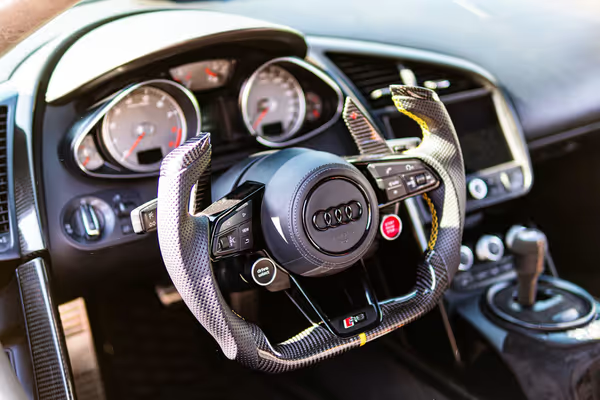
An automobile's interior is where design becomes an experience, combining materials, ergonomics, craftsmanship, and atmosphere in a space built around the driver.
 Genevieve Laurent

The Art of Automotive Photography.
Automotive photography transforms machines into visual stories, capturing design, movement, atmosphere, and the emotions that surround exceptional cars.
 Sophia Harrington
The World's Greatest Driving Roads Every Enthusiast Should Experience.
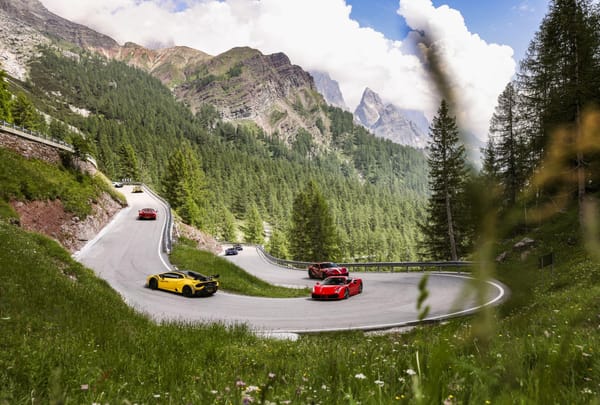
Some roads are more than routes between destinations—they're unforgettable driving experiences where engineering, scenery, and adventure come together in perfect harmony.
Sophia Harrington
· Printed in pixels, with care.