
The Art of Bespoke Automotive Design.
Bespoke automotive design transforms exceptional cars into deeply personal creations through craftsmanship, proportion, materials, and individual expression.
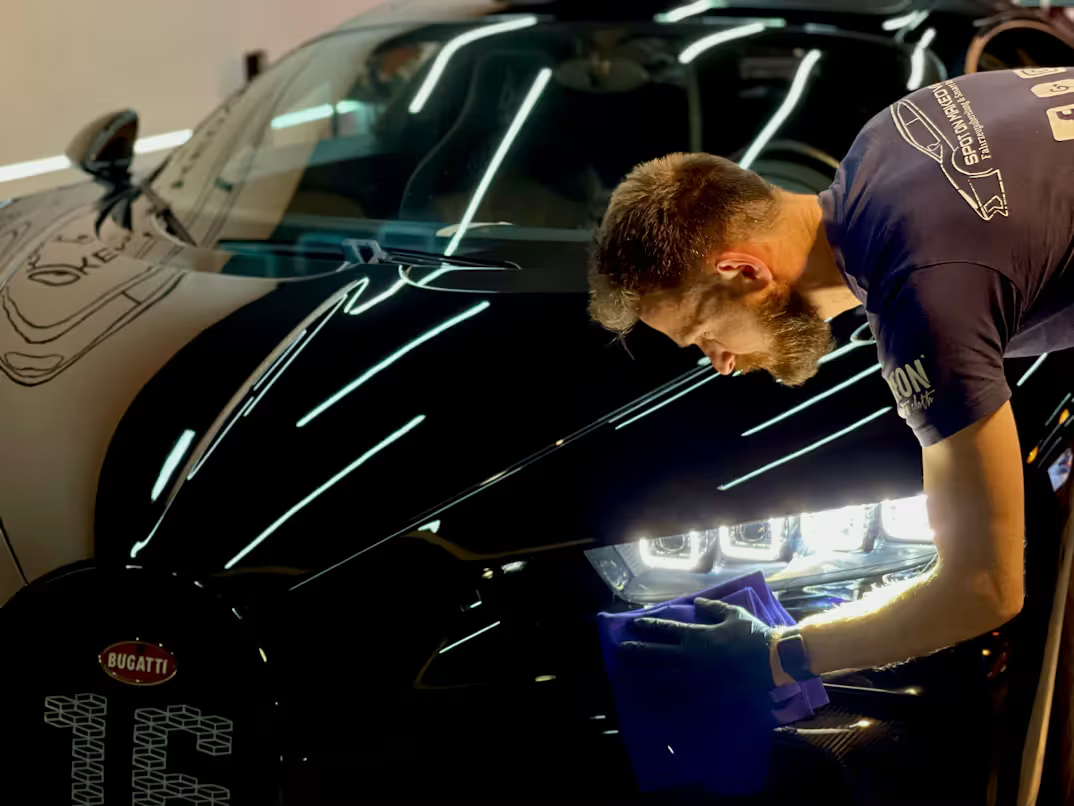
A remarkable automobile can be admired for its performance, celebrated for its engineering, or remembered for its design. But there is another level of automotive craftsmanship where the vehicle becomes something deeply personal.
Bespoke automotive design begins with the understanding that a great automobile does not have to look exactly like every other example of the same model. Colours, materials, finishes, stitching, trim, and individual details can transform a carefully engineered machine into a reflection of its owner's taste.
The idea is not entirely new. Long before modern production methods made automobiles widely accessible, wealthy customers commissioned vehicles according to their individual preferences. Designers and craftsmen worked closely with owners to create distinctive bodies, interiors, and finishes.
Modern technology has changed how this process is carried out, but the fundamental philosophy remains surprisingly similar.
When an Automobile Becomes Personal
Mass production transformed the automobile by making sophisticated engineering available to a much larger audience. But production efficiency naturally requires consistency. Every vehicle must meet the same standards, use compatible components, and follow carefully defined manufacturing processes.
Bespoke design introduces individuality back into that process.
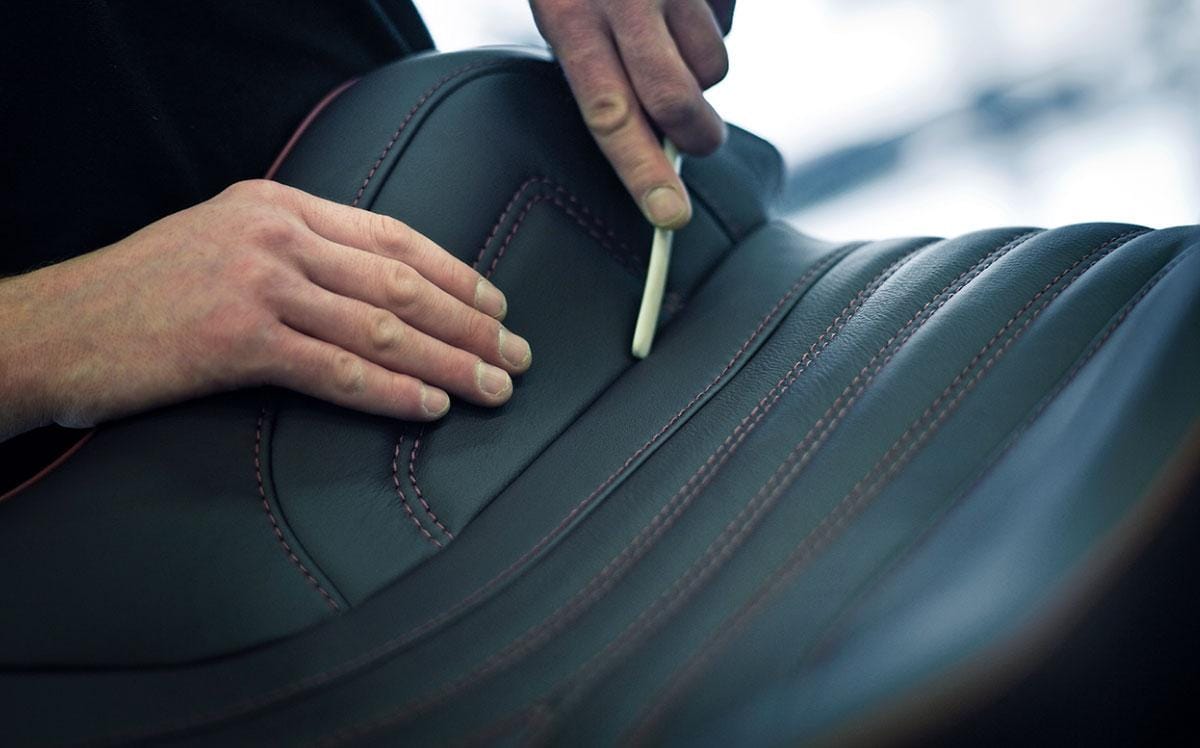
A customer may choose an unusual exterior colour, specify a particular leather, request contrasting stitching, or select materials that reflect a personal preference. Individually considered details can change how an automobile feels without altering the fundamental engineering beneath it.
This personalisation creates a different relationship between owner and vehicle. The automobile becomes more than a product selected from a catalogue. It becomes something deliberately configured and, in some cases, almost entirely unique.
That distinction is particularly important in the world of collector automobiles, where originality and individuality can contribute to a vehicle's long-term character.
The Return of Craftsmanship
Modern manufacturing is extraordinarily precise, but precision and craftsmanship are not necessarily the same thing.
Bespoke automotive design combines both. Advanced digital tools can help designers visualise colours, materials, and components before production begins, while skilled craftsmen remain responsible for many of the details that give the finished automobile its character.
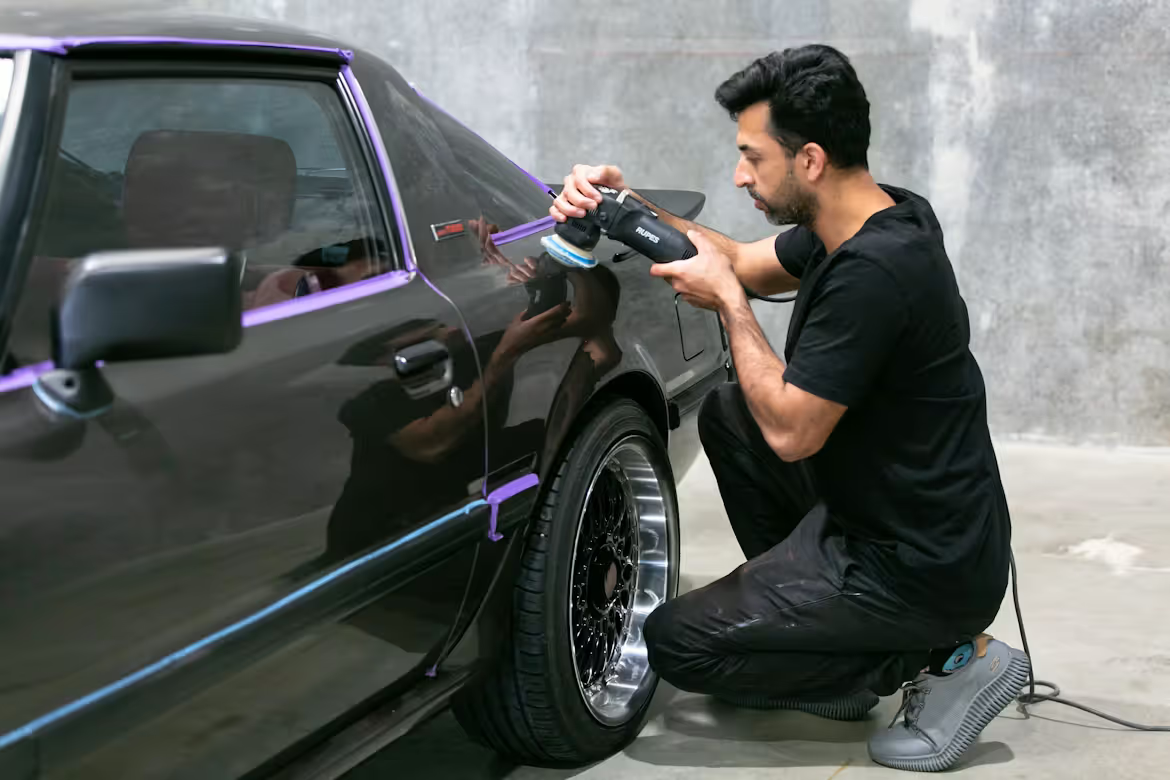
Hand-finished leather, carefully aligned stitching, polished metal surfaces, and precisely fitted trim require patience and experience. Small imperfections can become immediately noticeable when an interior contains relatively few components, making craftsmanship especially important.
The best bespoke automobiles therefore represent a partnership between technology and human skill.
Digital tools provide accuracy.
Craftsmanship provides character.
Materials Become Part of the Story
Material selection is one of the most powerful ways to personalise an automobile. Leather, wood, metal, carbon fibre, fabric, and technical composites each create a different visual and tactile experience.
Traditional materials can connect a vehicle to automotive heritage. Rich leather and carefully finished wood can evoke the elegance of classic grand tourers, while exposed carbon fibre and precision-machined metal can communicate a more contemporary performance philosophy.
Modern designers are also exploring alternative materials that provide new textures and visual identities. Sustainable fabrics, recycled materials, and innovative composites are gradually becoming part of premium automotive interiors.
The important consideration is not simply whether a material looks expensive.
It is whether the material belongs naturally within the overall design.
A successful bespoke interior feels coherent from the moment the door opens.
Interior Craftsmanship as a Form of Expression
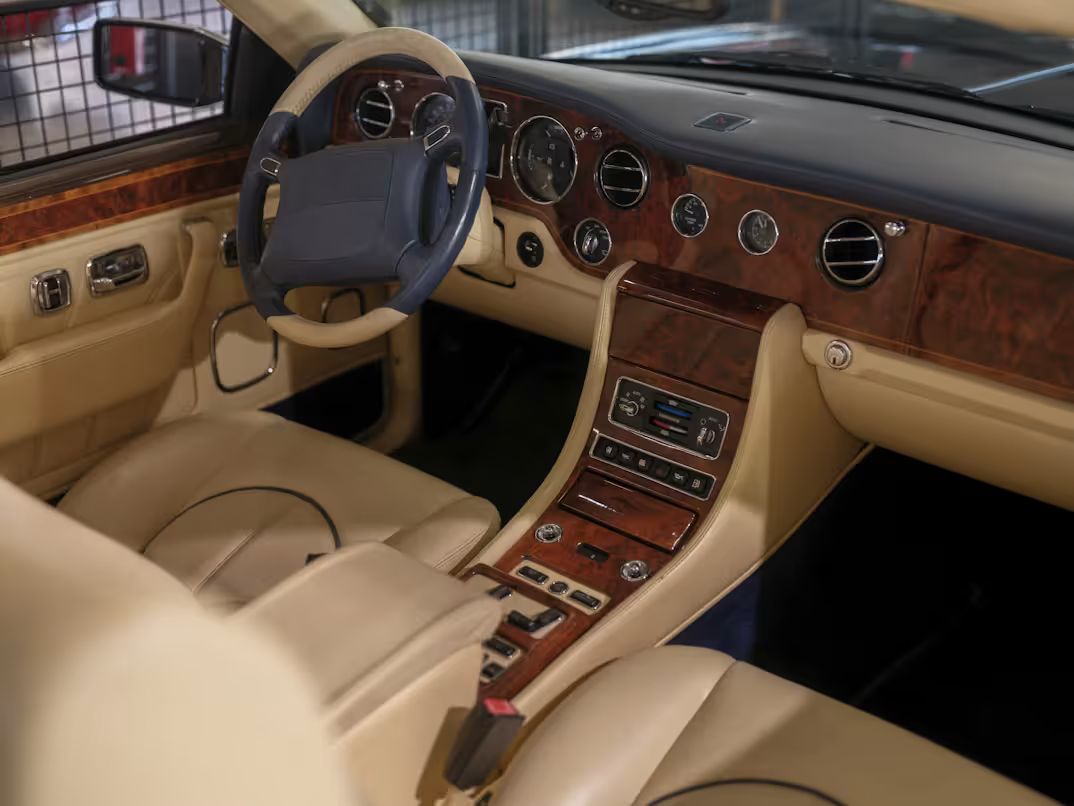
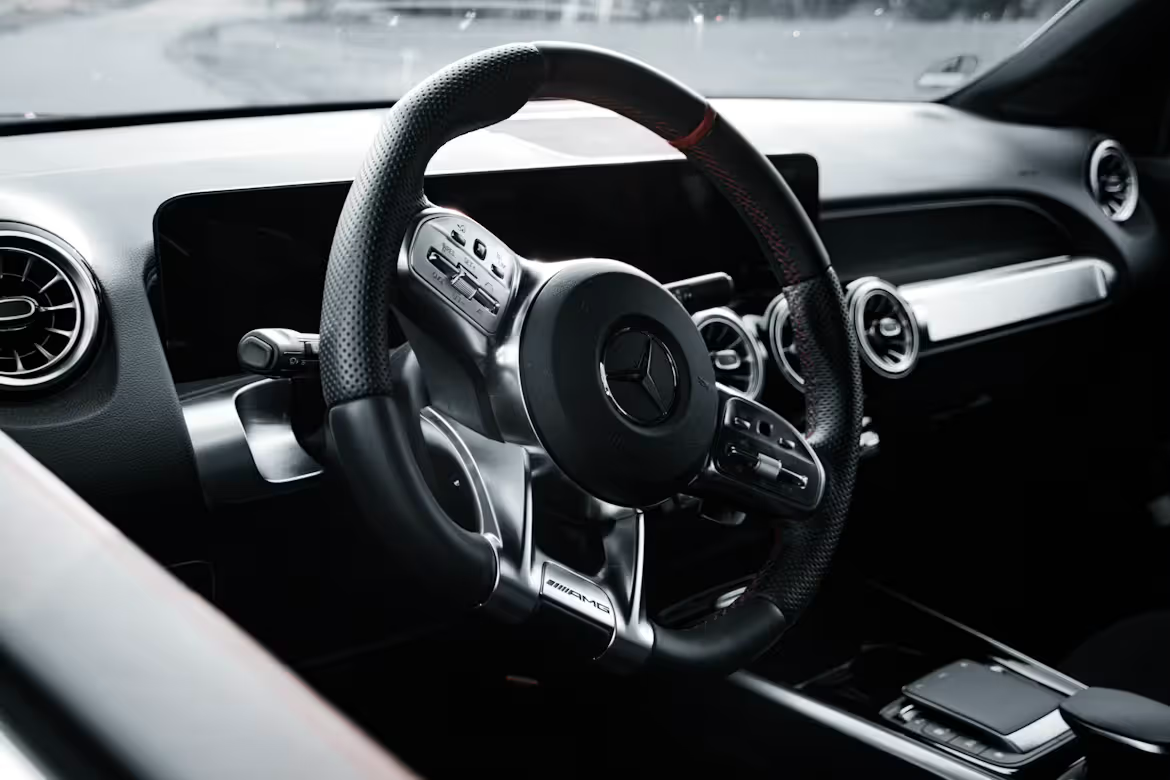
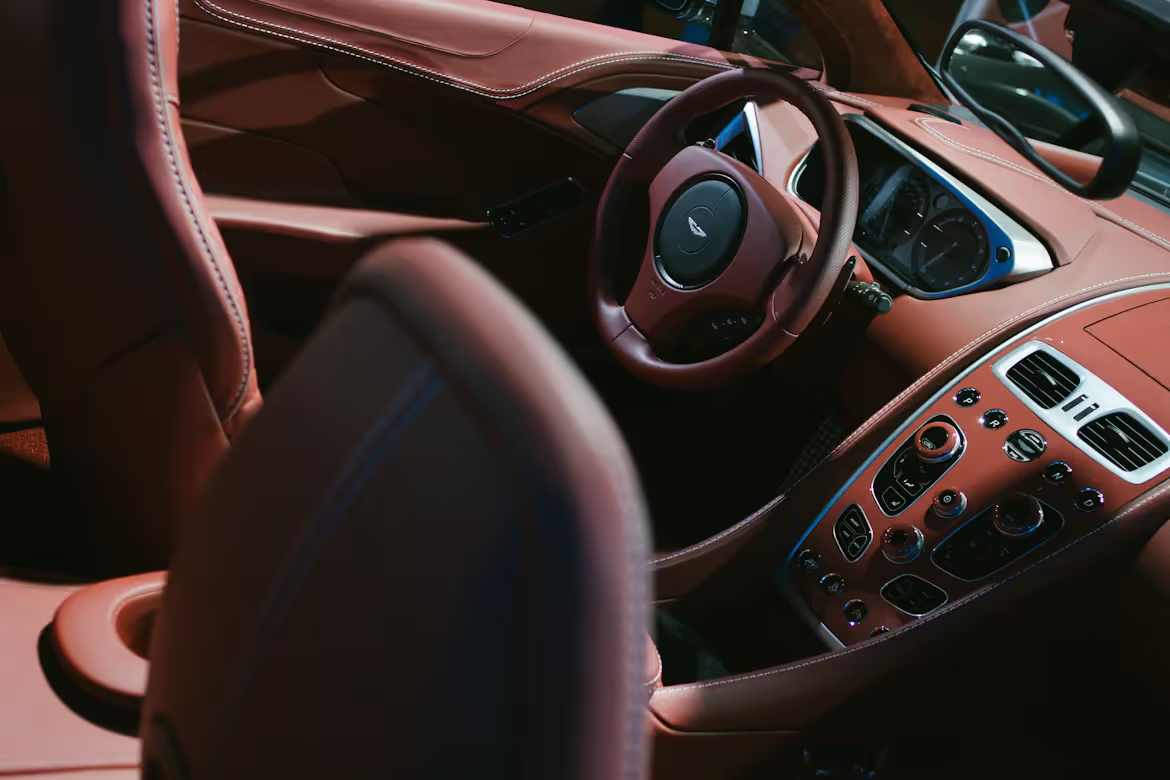
The interior is where bespoke design becomes most personal. Unlike exterior styling, which is experienced from a distance, the cabin surrounds its occupants on every journey. Materials, textures, stitching, colours, and small details can therefore have an unusually strong influence on how an automobile feels.
Hand-finished leather remains a traditional choice, but contemporary interiors can combine it with Alcantara, carbon fibre, polished metals, natural wood, woven fabrics, and other technical materials. The possibilities allow designers to create environments ranging from understated elegance to highly technical performance spaces.
The most successful interiors avoid simply adding more decoration. Instead, every material supports a broader design idea. Contrasting stitching can emphasise the shape of a seat, while a carefully selected trim can visually connect the dashboard with the doors and centre console.
Bespoke design works best when personal expression and design discipline remain in balance.
"True bespoke design is not about having more choices. It is about making the right choices feel uniquely yours."
When Technology Meets Tradition
Digital technology has transformed the bespoke design process without eliminating traditional craftsmanship.
Design teams can now visualise unusual combinations of colours and materials before production begins, allowing customers and designers to refine an interior long before physical components are produced. Advanced manufacturing techniques can also create highly precise trim pieces and complex shapes that would have been difficult to produce traditionally.
Yet the final experience still depends heavily on human expertise.
A craftsman must understand how leather behaves around a complex surface. A specialist must ensure that stitching follows the intended lines precisely. Finishing techniques require judgement that cannot always be reduced to a digital process.
This combination creates something particularly interesting: automobiles that use some of the most advanced manufacturing technology available while still carrying visible evidence of human craftsmanship.
Why Bespoke Cars Can Become Collector Objects
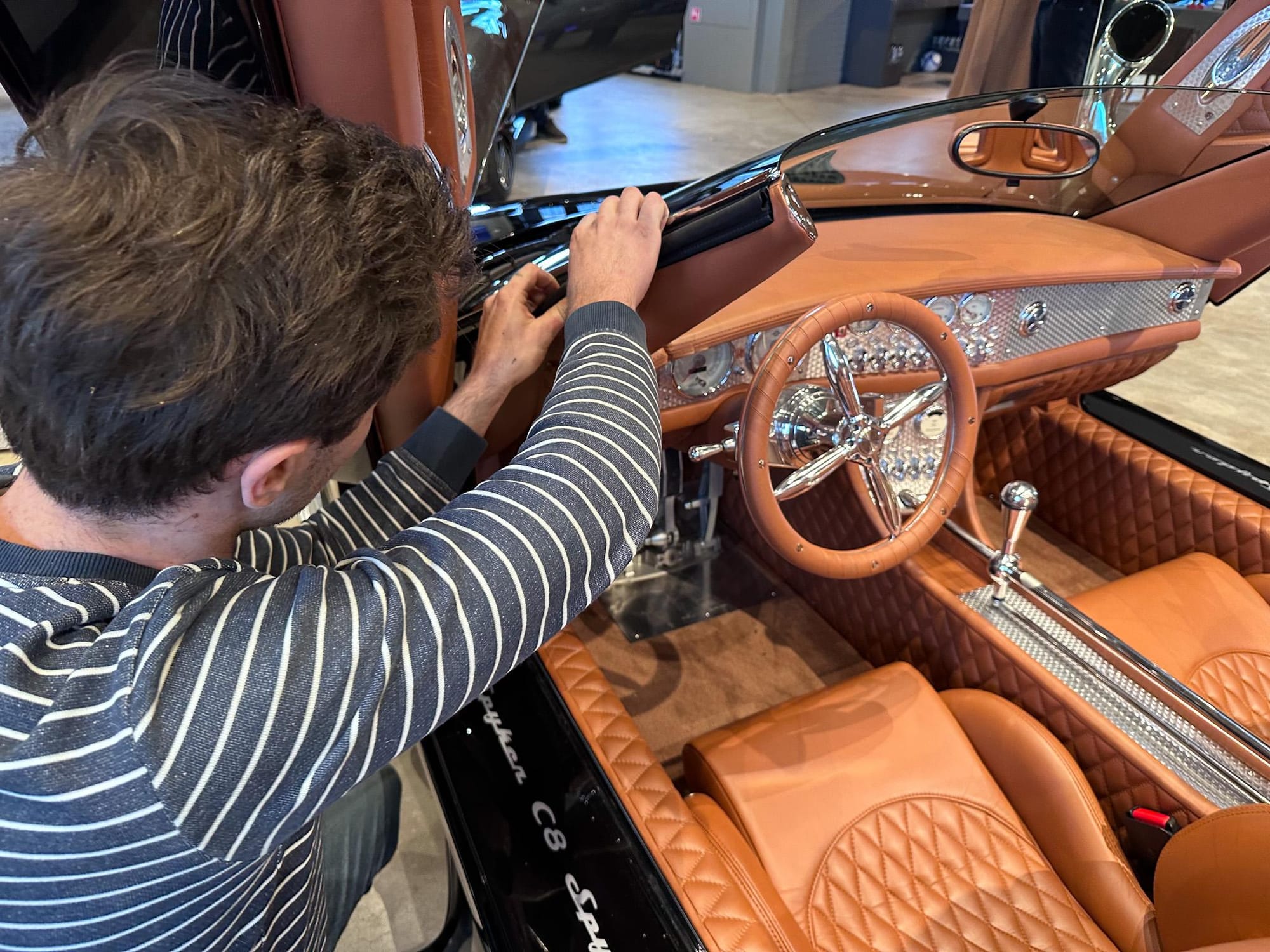
Personalisation can also contribute to an automobile's historical character. A distinctive colour combination, unusual specification, or carefully documented customisation can make a particular example different from every other vehicle of the same model.
For collectors, this individuality can become part of the automobile's story.
Documentation is particularly important. Original specification records, photographs, ownership history, and evidence of how the vehicle was configured help preserve the story behind a bespoke automobile. Without that context, unusual modifications may simply appear inconsistent with the original design.
With proper documentation, however, a unique specification can become an important part of the vehicle's identity.
This is one reason bespoke automobiles can eventually become cultural objects rather than simply personalised products. Their value lies not only in what they are, but in the story of why they were created that way.
The Future of Personalised Automotive Design
Bespoke automotive design is likely to become even more sophisticated as manufacturing technology continues to evolve.
Digital configuration tools can already provide customers with increasingly detailed control over materials, finishes, and design elements. Future manufacturing methods may allow even greater levels of personalisation without requiring completely separate production processes.
At the same time, sustainability will influence the materials used in premium automobiles. Designers will increasingly explore recycled fibres, responsibly sourced natural materials, and innovative alternatives that offer distinctive textures without compromising quality.
The challenge will be maintaining individuality while ensuring that personalisation remains consistent with thoughtful design.
More choice does not automatically create better design.
The real opportunity lies in using technology to give designers and customers greater freedom while preserving the craftsmanship that makes bespoke automobiles special.
Conclusion
Bespoke automotive design represents one of the clearest connections between automobile and owner. It transforms a highly engineered machine into something more personal through colour, materials, craftsmanship, and carefully considered details.
The process has changed dramatically from the earliest days of custom-built automobiles, but its central idea remains the same: create something that feels individual.
Modern technology has expanded what is possible, while traditional craftsmanship continues to provide the human touch that makes those possibilities meaningful. As new materials and manufacturing techniques emerge, bespoke design will continue evolving without losing its connection to automotive heritage.
The most memorable bespoke automobile is therefore not necessarily the most extravagant.
It is the one where every choice feels intentional.
Discover the craftsmanship, materials, proportions, and creative ideas shaping the world's most distinctive automobiles.
About the Writer

Genevieve Laurent
Automotive Design Editor exploring coachbuilding, interior craftsmanship, materials, and the creative vision shaping modern and classic automobiles through exceptional design.
Discussion
More from this issue.
The Craft of Automotive Interiors.
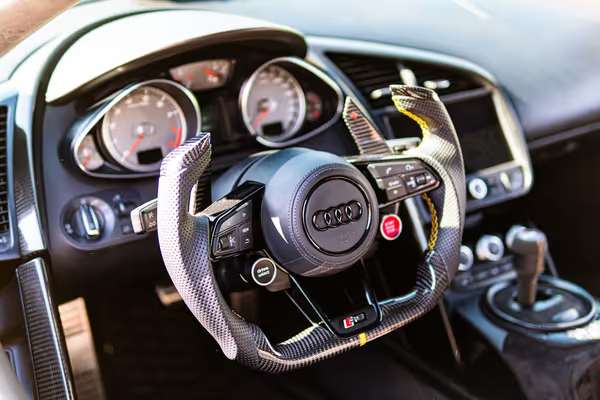
An automobile's interior is where design becomes an experience, combining materials, ergonomics, craftsmanship, and atmosphere in a space built around the driver.
 Genevieve Laurent
The Rise of the Performance Wagon.
Performance wagons challenged the idea that practicality and driving excitement belonged to separate worlds, combining everyday versatility with serious performance.
 Alexander Moreau

The Art of Automotive Photography.
Automotive photography transforms machines into visual stories, capturing design, movement, atmosphere, and the emotions that surround exceptional cars.
 Sophia Harrington
· Printed in pixels, with care.