
The Design Language of Modern Performance Cars.
Modern performance cars combine sculptural proportions, aerodynamic precision, and functional details to create a distinctive visual language shaped by speed.
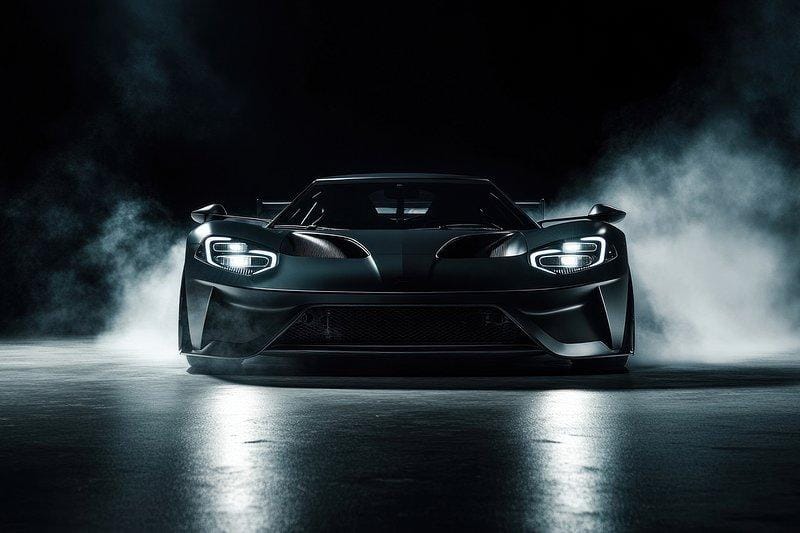
A great performance car communicates speed before its engine ever starts. Its stance, proportions, surfaces, and smallest details can create an immediate impression of movement, even while the automobile is standing still. This ability to suggest performance through design has always been central to the appeal of sports cars and supercars, but modern engineering has taken the relationship between form and function to an entirely new level.
Today's performance cars are shaped by forces that extend far beyond aesthetics. Aerodynamic efficiency, cooling requirements, lightweight construction, visibility, safety, and increasingly complex technology all influence the final design. Yet the best designers manage to incorporate these demands without allowing engineering requirements to overwhelm the emotional character of the automobile.
The result is a new design language that feels simultaneously sculptural and technical. Surfaces flow around aerodynamic requirements, lighting becomes part of the vehicle's identity, and even traditionally decorative elements increasingly serve functional purposes.
Modern performance-car design is therefore not simply about making a car look fast.
It is about making every visual decision communicate a reason for its existence.
Why Proportions Matter
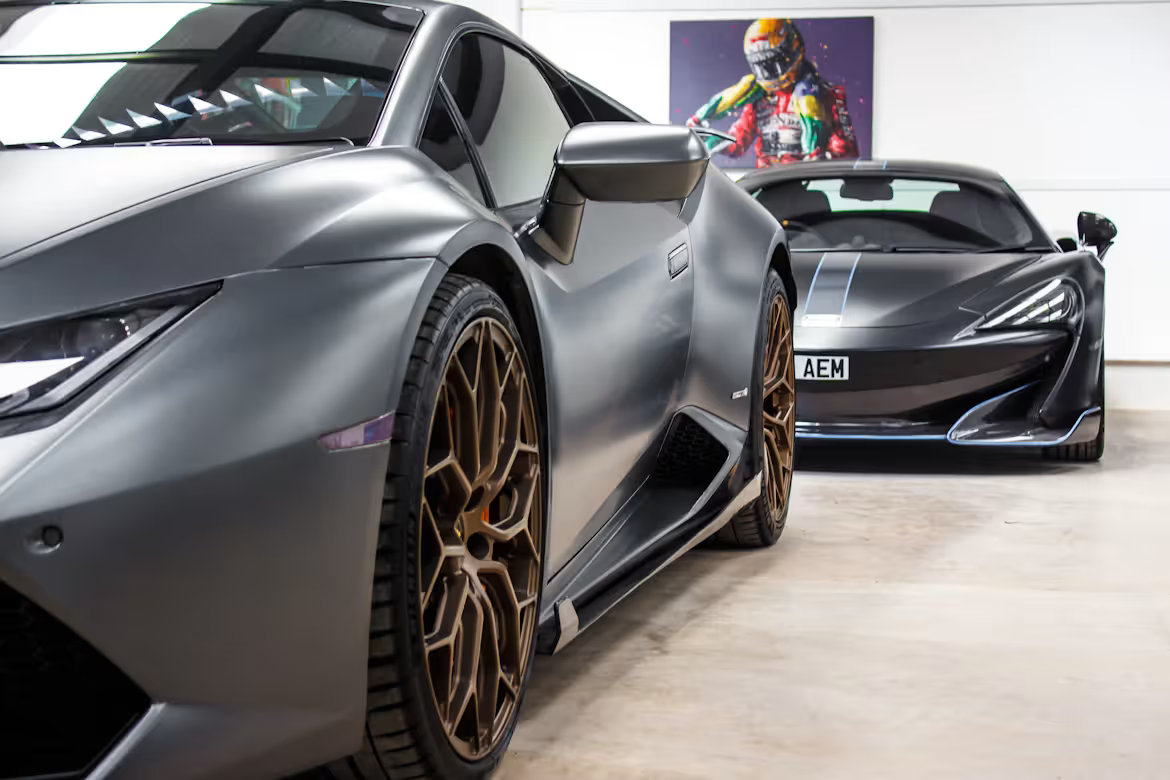
Before designers consider individual details, they establish the fundamental proportions of an automobile. The relationship between the wheels, cabin, bodywork, bonnet, and overhangs determines much of its visual character.
Performance cars typically sit lower and wider than conventional automobiles, creating a stronger connection with the road. Large wheels pushed toward the corners of the body can suggest stability and agility, while a low roofline communicates a sense of speed and purpose.
The position of the cabin is equally important. Mid-engine supercars often have compact passenger compartments positioned further forward, creating a distinctive relationship between the cockpit and rear bodywork. Long-hood grand tourers communicate a different character, using their proportions to suggest effortless power and long-distance capability.
These differences demonstrate that automotive design is fundamentally about visual storytelling. Before a viewer notices a headlight or air intake, they respond to the overall silhouette.
When the proportions are right, even a stationary automobile can appear ready to move.
Designing for the Air
Aerodynamics has become one of the strongest influences on modern performance-car design. At high speeds, airflow affects stability, cooling, efficiency, and grip, making aerodynamic performance an essential part of the design process from the earliest stages.
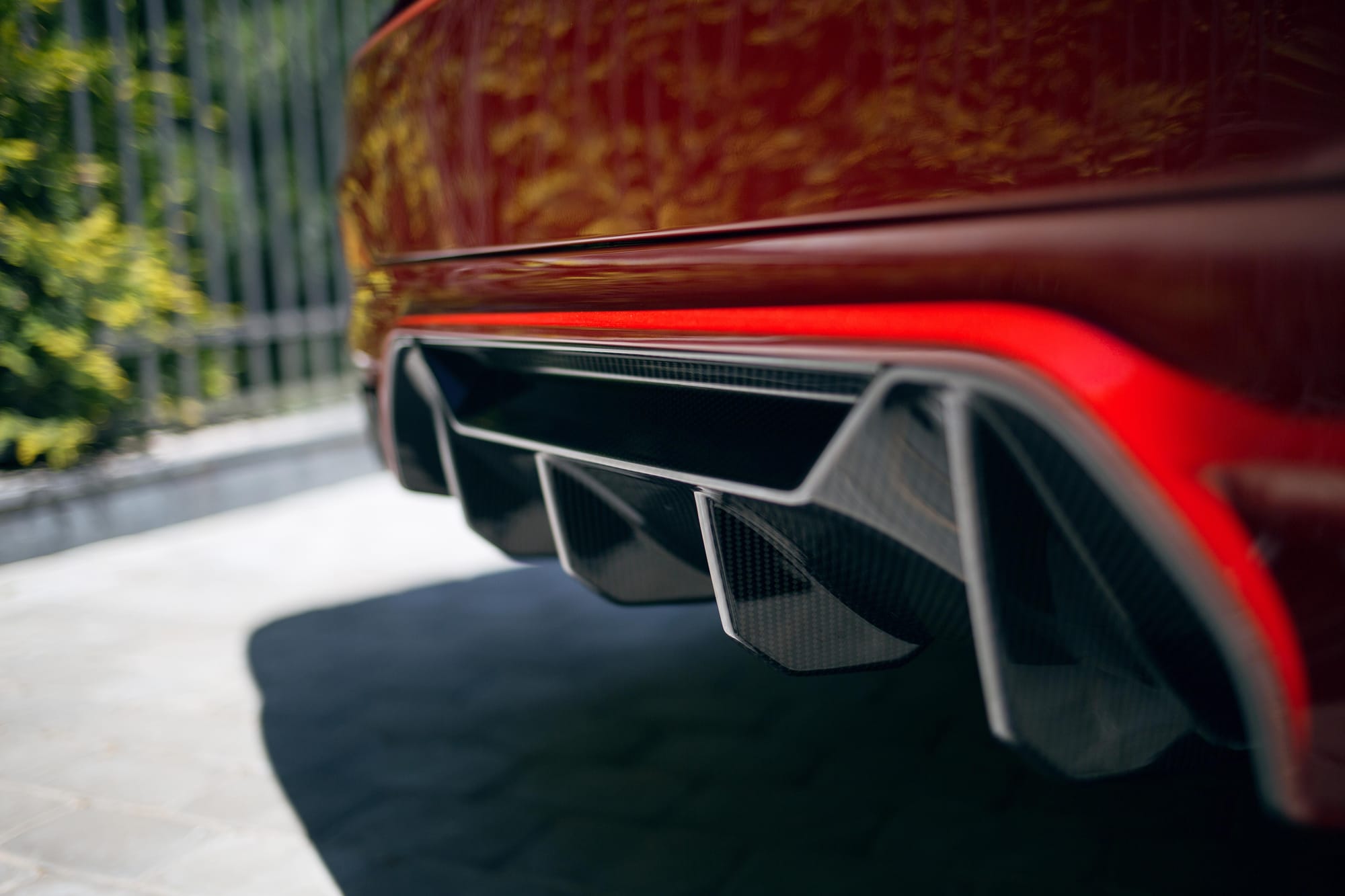
Modern designers work closely with aerodynamic engineers to create surfaces that guide air precisely around the vehicle. Front splitters manage airflow beneath the nose, sculpted body panels direct air toward cooling systems, and carefully shaped rear sections reduce turbulence and control airflow as it leaves the vehicle.
Active aerodynamic components add another layer of complexity. Adjustable wings, vents, and diffusers can change their position according to driving conditions, allowing the automobile to adopt different aerodynamic configurations when required.
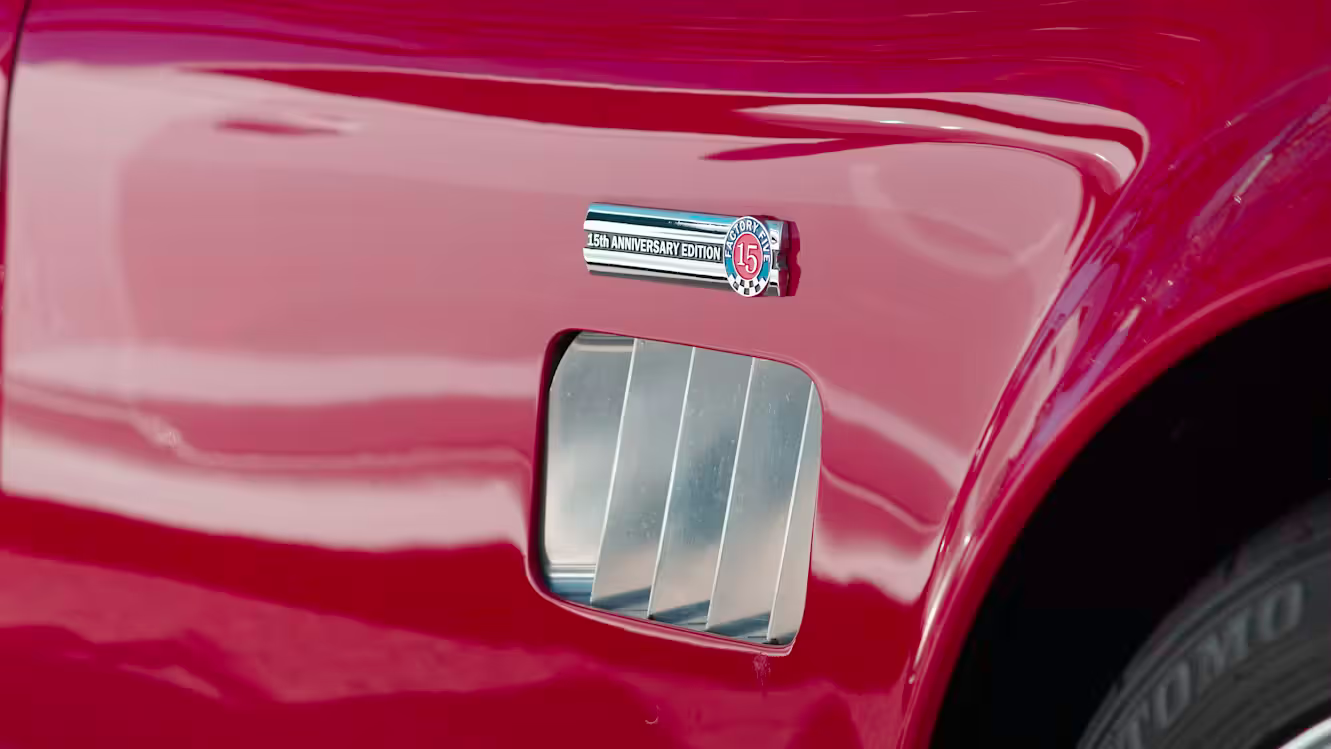
This has transformed the relationship between beauty and function. A dramatic side intake may simultaneously define a vehicle's visual identity and provide essential cooling. A sculpted rear section can create a distinctive silhouette while improving airflow. Even the shape of a wheel can influence aerodynamic efficiency.
The most successful modern performance cars make these technical requirements feel intentional rather than imposed.
Lighting as a Design Signature
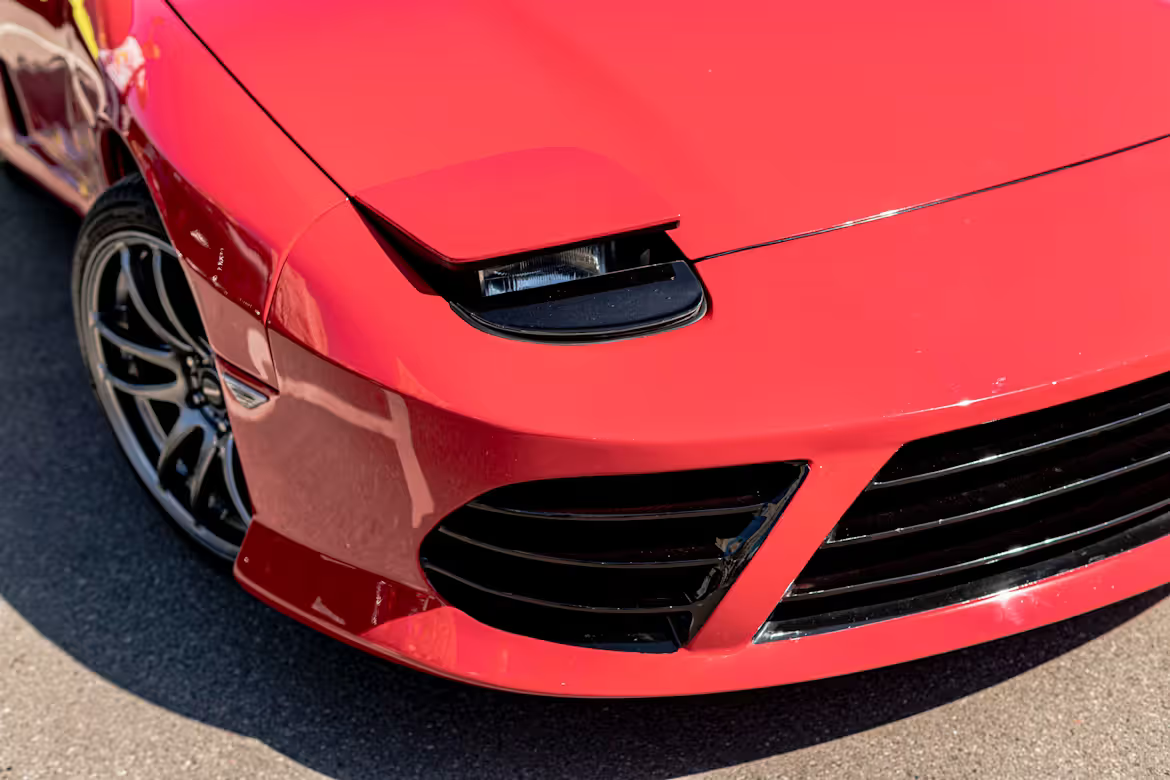
Lighting has become one of the most recognisable elements of modern automotive design. Advances in LED and other lighting technologies have given designers far greater freedom to create distinctive signatures that can make a performance car instantly recognisable, even from a distance.
Earlier automobiles often relied on relatively large headlamp assemblies because lighting technology imposed significant physical limitations. Modern systems can be considerably slimmer, allowing designers to integrate lighting into the bodywork with greater precision.
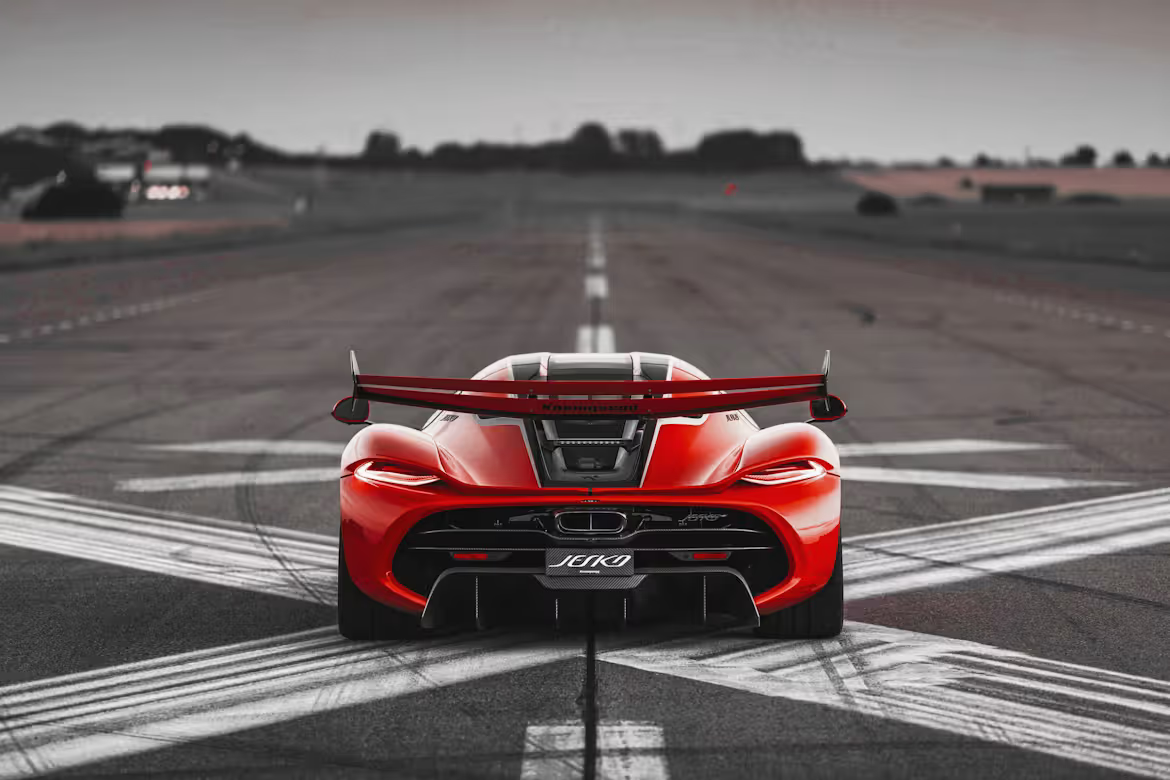
The change is particularly visible at the rear of modern performance cars. Thin light bars, separated lighting elements, and carefully sculpted housings create strong visual identities while also improving visibility and communication with other road users.
For designers, lighting has effectively become another architectural element. It can emphasise the width of a car, visually lower its stance, or draw attention to specific body surfaces. During the day, these elements contribute to the vehicle's character; after dark, they become its signature.
"The best automotive design makes engineering visible without making it feel complicated."
Materials That Shape the Design
Materials have always influenced how automobiles look, but lightweight engineering has made their role even more significant in modern performance cars.
Carbon fibre allows designers to create complex structures while keeping weight under control. Aluminium and advanced alloys provide strength without unnecessary mass, while carefully selected interior materials balance luxury with performance requirements.
These materials are not simply hidden beneath the bodywork. Carbon-fibre structures and exposed composite surfaces are increasingly incorporated into the visual language of performance automobiles. Their distinctive patterns communicate technical sophistication while revealing something about the engineering philosophy underneath.
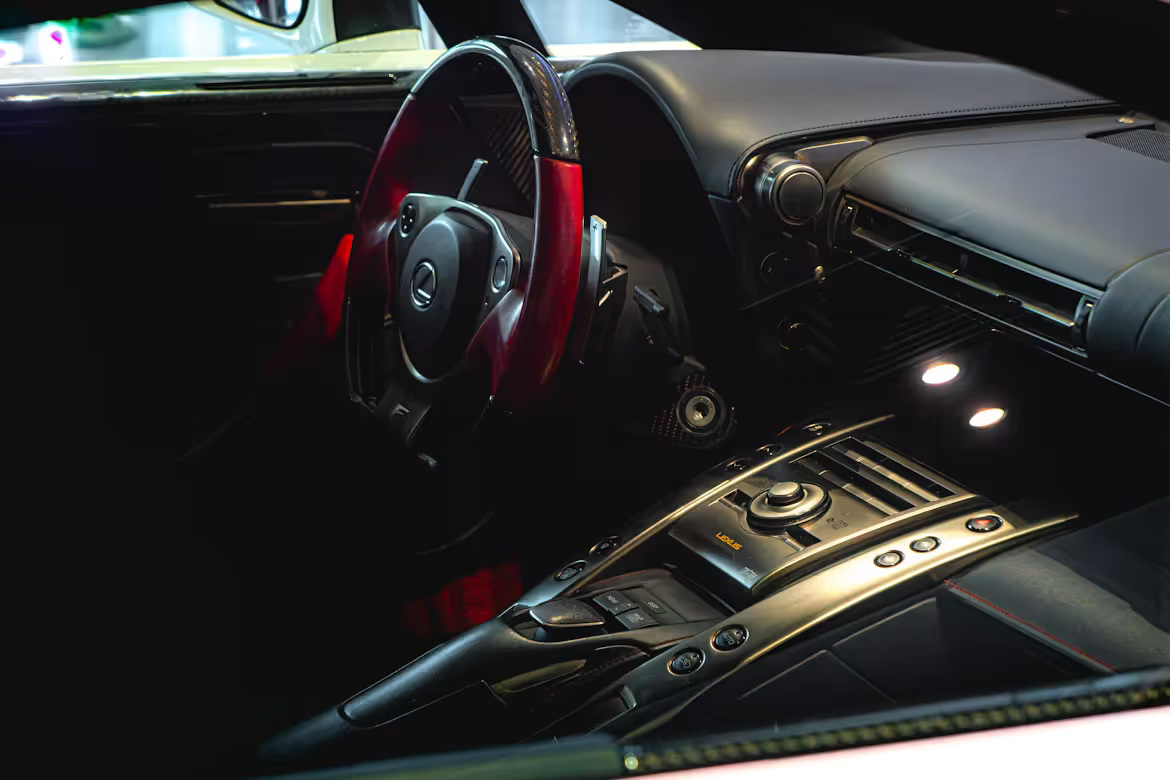
The same principle applies inside the cabin. Lightweight seats, precision-machined controls, technical fabrics, leather, metal, and composite materials are combined to create environments that feel both luxurious and purposeful.
The finest interiors avoid excessive decoration. Instead, materials are chosen to communicate quality through texture, precision, and thoughtful detailing.
The Cockpit Becomes Digital
The modern performance-car interior is undergoing a transformation almost as significant as its exterior design. Traditional analogue instruments are increasingly being complemented—or replaced—by configurable digital displays capable of presenting information according to the driver's needs.
This creates new opportunities for designers. Instead of designing a fixed collection of gauges, they can shape an entire visual interface that changes according to driving mode, navigation requirements, or performance information.
Yet technology introduces its own challenge. Too many screens and digital controls can make an interior feel more like a device than a driver's environment. The most successful performance cars therefore balance technology with physical controls, tactile materials, and carefully considered ergonomics.
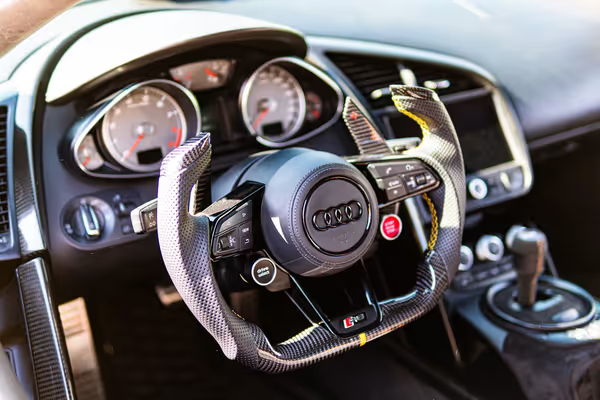
The steering wheel remains central. Switches, paddles, drive-mode controls, and performance settings are positioned where the driver can access them without losing focus. Digital technology becomes most effective when it supports the physical experience rather than competing with it.
Designing the Performance Car of Tomorrow
The next generation of performance cars will give designers an entirely new set of possibilities. Electrification is changing vehicle proportions, while advances in battery packaging create opportunities for different cabin layouts and interior spaces.
Aerodynamic optimisation will continue to influence exterior surfaces, but software will make these systems increasingly adaptive. Active panels, intelligent cooling systems, and movable aerodynamic elements may become more seamlessly integrated into bodywork.
Sustainable materials will also become increasingly important. Designers are exploring alternatives that can reduce environmental impact while maintaining the tactile quality expected from premium automobiles.
Despite all these changes, the fundamental principles of good automotive design will remain familiar. Proportion, balance, usability, craftsmanship, and emotional appeal will continue to determine whether a performance car becomes memorable.
Technology can change the tools.
It cannot replace good design.
Conclusion
Modern performance-car design exists at the intersection of art and engineering. Every surface must communicate something, whether it manages airflow, directs cooling, reduces weight, improves visibility, or simply creates an emotional response.
The most successful automobiles make these requirements feel natural. Their aerodynamic surfaces appear sculptural, their materials reveal technical sophistication, and their interiors combine digital technology with tactile craftsmanship.
As electrification and software reshape the automobile, designers will gain new opportunities to rethink everything from proportions to cockpit architecture. Yet the fundamental objective will remain unchanged: create a machine that people want to see, experience, and remember.
The future performance car may look very different from the icons of the past, but its most important quality will remain timeless.
It must make people feel something.
Discover the design philosophies, materials, and engineering decisions behind the world's most remarkable performance automobiles.
About the Writer

Genevieve Laurent
Automotive Design Editor exploring coachbuilding, interior craftsmanship, materials, and the creative vision shaping modern and classic automobiles through exceptional design.
Discussion
More from this issue.
The Craft of Automotive Interiors.
An automobile's interior is where design becomes an experience, combining materials, ergonomics, craftsmanship, and atmosphere in a space built around the driver.
 Genevieve Laurent
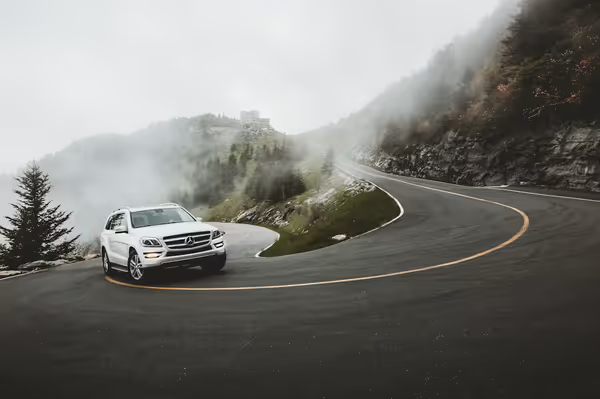
The Rise of the Performance Wagon.
Performance wagons challenged the idea that practicality and driving excitement belonged to separate worlds, combining everyday versatility with serious performance.
 Alexander Moreau
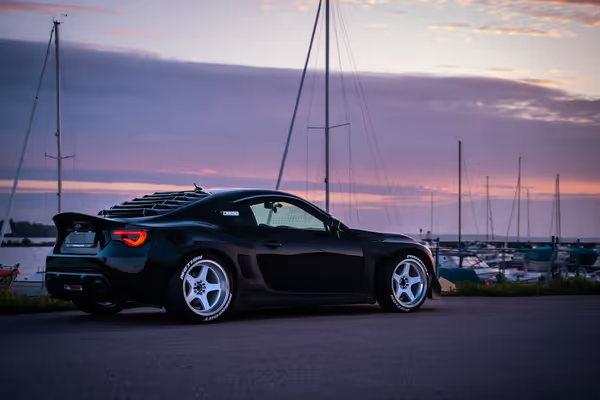
The Art of Automotive Photography.
Automotive photography transforms machines into visual stories, capturing design, movement, atmosphere, and the emotions that surround exceptional cars.
 Sophia Harrington
· Printed in pixels, with care.