
How Active Aerodynamics Are Transforming Modern Supercars.
Active aerodynamic systems are helping modern supercars deliver greater speed, stability, and efficiency by adapting to changing driving conditions in real time.
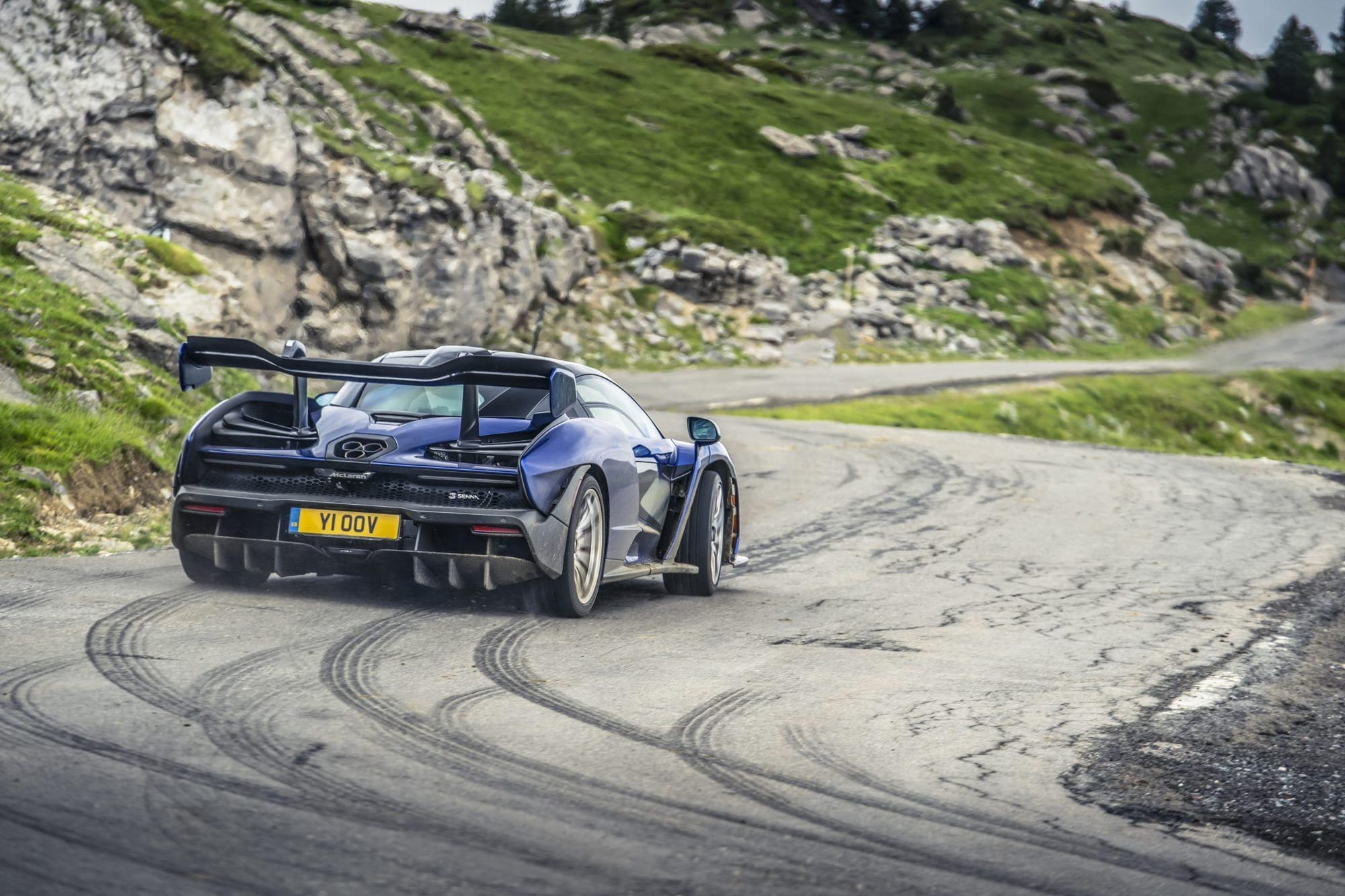
The pursuit of speed has always challenged automotive engineers to think beyond engine power alone. As performance increased, designers discovered that simply producing more horsepower was no longer enough. Stability, braking, cooling, and efficiency became equally important, especially at higher speeds where airflow could either enhance performance or work against it. This shift transformed aerodynamics from a supporting discipline into one of the defining elements of modern supercar engineering.
Unlike traditional aerodynamic components that remain fixed in position, active aerodynamic systems continuously adapt to changing driving conditions. Electronic sensors monitor vehicle speed, steering angle, braking force, and throttle input before adjusting wings, spoilers, diffusers, and cooling ducts within fractions of a second. Instead of compromising between low drag and high downforce, engineers can now optimise both according to the driver's immediate needs.
The result is a new generation of automobiles capable of delivering extraordinary performance without sacrificing everyday usability. Whether accelerating along a straight, navigating technical corners, or slowing from high speed, active aerodynamics quietly work behind the scenes, making modern supercars faster, safer, and more predictable than ever before.
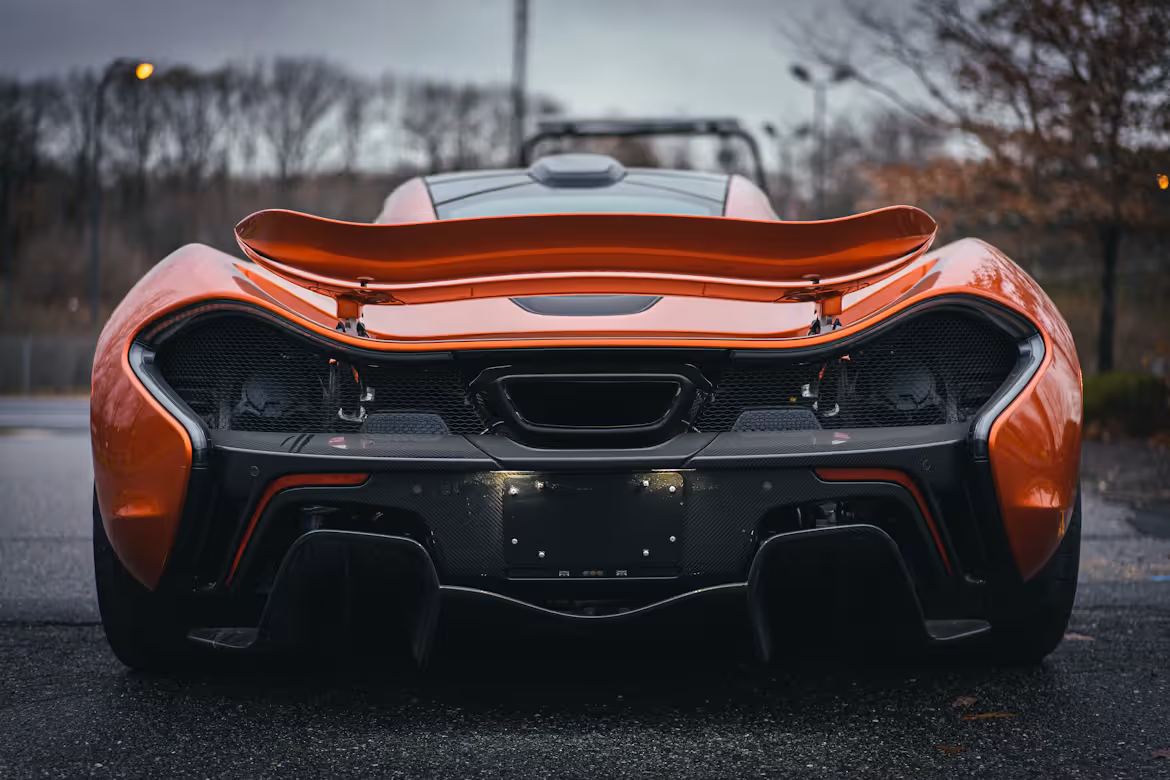
When Air Becomes Part of the Engineering
Although invisible, air behaves like a powerful engineering force once a vehicle reaches high speeds. As airflow passes over and beneath a moving automobile, it influences stability, cooling, drag, and tyre grip. Managing that airflow effectively has become one of the most important challenges facing modern performance engineers.
Early sports cars relied on fixed spoilers and wings to generate additional downforce. While these solutions improved stability, they also increased aerodynamic drag, reducing efficiency and limiting maximum speed. Engineers therefore faced an unavoidable compromise: optimise for cornering performance or reduce drag for straight-line speed.
Active aerodynamics fundamentally changed that equation. Instead of remaining permanently deployed, aerodynamic components now respond intelligently to changing driving conditions. At lower speeds, wings remain retracted to minimise drag and improve efficiency. During aggressive cornering or heavy braking, they automatically adjust their position to generate the additional downforce required for greater stability and control.
This adaptability allows a single vehicle to perform comfortably during everyday driving while delivering exceptional capability when maximum performance is demanded.
More Than Just Rear Wings
When most enthusiasts think about active aerodynamics, they immediately picture an adjustable rear wing rising dramatically from the back of a supercar. While these systems are visually impressive, they represent only one part of a much more sophisticated aerodynamic package.
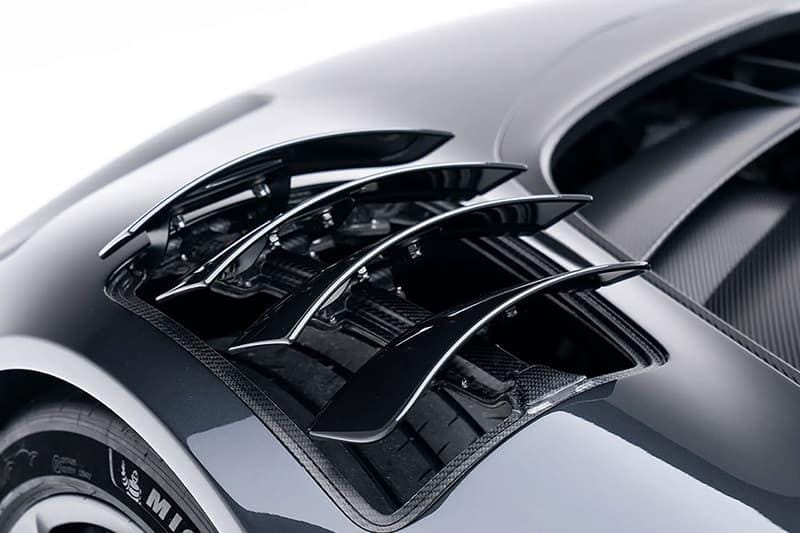
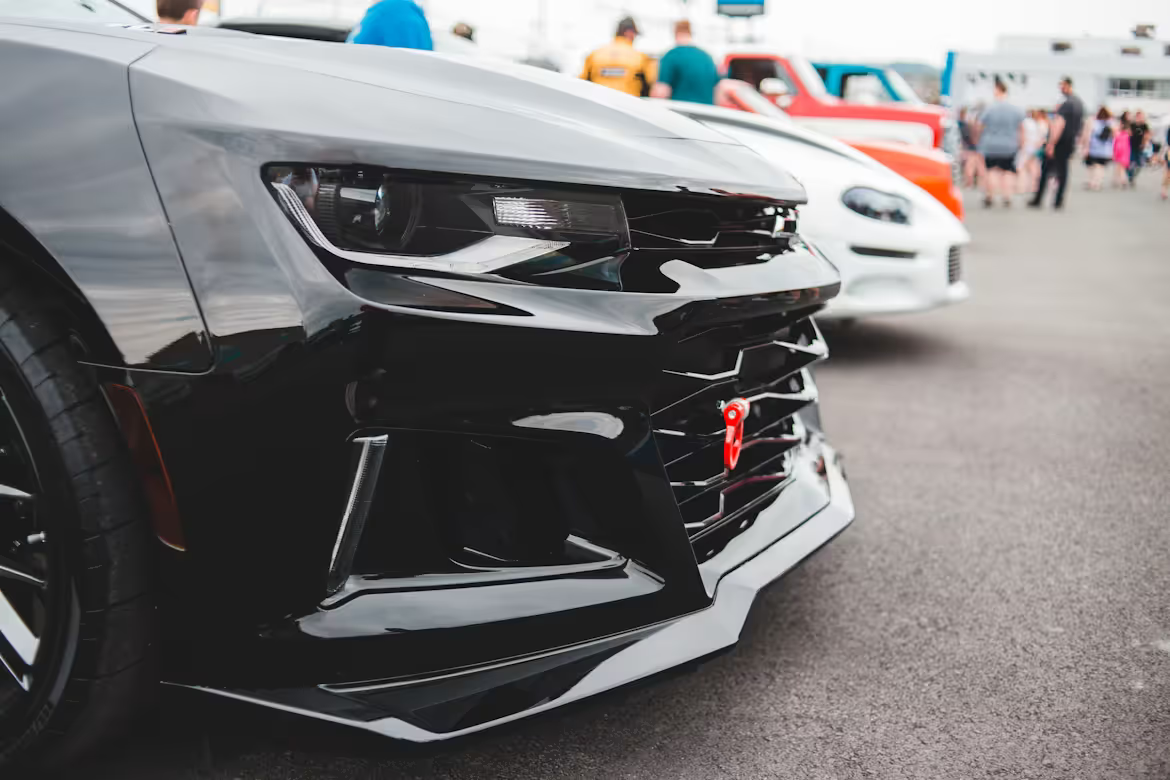
Modern performance cars employ a network of intelligent aerodynamic components working together as a complete system. Front splitters extend to manage airflow beneath the vehicle, helping generate front-end grip without significantly increasing drag. Adjustable air intakes regulate cooling airflow according to engine and brake temperatures, improving efficiency while reducing unnecessary aerodynamic resistance.
Many high-performance vehicles also feature active diffusers that optimise underbody airflow, producing greater stability without relying solely on large external wings. Some manufacturers integrate electronically controlled air vents that open only when additional cooling is required, allowing the vehicle to maintain a cleaner aerodynamic profile during normal driving.
Rather than functioning independently, these systems communicate continuously through sophisticated vehicle control software. Every adjustment is carefully calculated to maintain the ideal balance between performance, stability, efficiency, and driver confidence.
Air Brakes: Slowing Down with the Help of Air
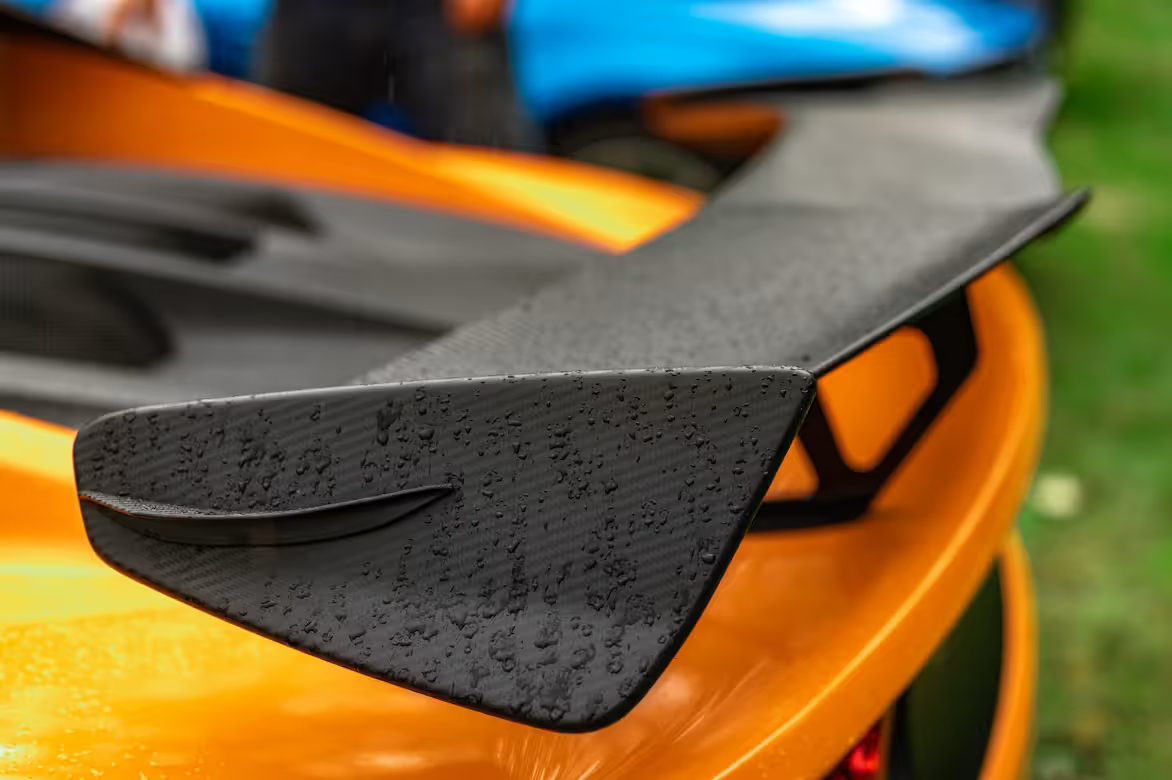
One of the most fascinating applications of active aerodynamics is the air brake. During heavy braking, some supercars automatically raise their rear wings to a much steeper angle, increasing aerodynamic drag while generating additional downforce over the rear axle. Instead of relying solely on conventional braking systems, the vehicle also uses airflow itself to help reduce speed.
This technology offers multiple advantages. Additional drag shortens braking distances at high speeds, while increased rear stability helps maintain control during aggressive deceleration. The system works almost instantly, responding within fractions of a second whenever the driver applies significant braking force.
Although the movement of an air brake is dramatic, its operation is carefully calculated by onboard software. Sensors continuously evaluate speed, braking pressure, steering angle, and vehicle balance before determining the optimal wing position. The result is smoother, more confident braking without distracting the driver from the road ahead.
It is a perfect example of modern engineering solving complex challenges through intelligent integration rather than brute force alone.
"The fastest supercars don't simply cut through the air—they use it as an active partner in performance."
Invisible Technology During Everyday Driving
One of the greatest achievements of active aerodynamics is that most drivers rarely notice it working. Unlike large fixed wings that permanently influence the appearance of a car, adaptive systems remain subtle during normal driving, activating only when additional aerodynamic assistance is required.
At motorway speeds, aerodynamic elements may adjust slightly to reduce drag and improve stability. During spirited driving on winding roads, the same components automatically increase downforce to provide greater grip through corners. Cooling vents open only when engine or brake temperatures require additional airflow, then close again to preserve aerodynamic efficiency.
Because every adjustment happens automatically, drivers enjoy the benefits without needing to operate separate controls. Sophisticated software manages thousands of calculations every second, ensuring the vehicle always adopts the most appropriate aerodynamic configuration for current conditions.
This intelligent adaptability allows modern supercars to feel equally comfortable during everyday journeys and demanding performance driving.
Software Has Become the New Aerodynamic Engineer
The evolution of active aerodynamics is no longer driven solely by mechanical components. Increasingly, software plays an equally important role in determining how airflow is managed around a vehicle.
Modern control systems continuously process information from dozens of sensors, monitoring speed, steering input, suspension movement, throttle position, braking force, and tyre grip. Within milliseconds, the software determines how aerodynamic devices should respond to maximise stability and minimise unnecessary drag.
This constant communication allows multiple systems to work together rather than independently. Active suspension, electronic stability control, torque vectoring, and aerodynamic components now operate as an integrated performance network, creating a driving experience that feels remarkably natural despite its technical complexity.
As computing power continues to advance, software-defined aerodynamics will become even more intelligent, allowing future performance cars to adapt to changing road conditions with unprecedented precision.
The Future of Intelligent Airflow
Engineers continue exploring new ways to manage airflow without relying on increasingly large external aerodynamic devices. Adaptive body panels, movable underbody elements, electronically controlled cooling systems, and AI-assisted aerodynamic optimisation are already influencing the next generation of high-performance automobiles.
Electrification also presents fresh opportunities. Electric performance cars require different cooling strategies and aerodynamic priorities compared with traditional combustion-powered vehicles. Managing battery temperatures while maximising efficiency encourages entirely new approaches to airflow management.
Future supercars are therefore likely to become even more adaptable, balancing performance, range, stability, and efficiency through increasingly sophisticated aerodynamic systems that remain almost invisible to the driver.
Rather than becoming more dramatic, active aerodynamics may become smarter, quieter, and more seamlessly integrated into the overall engineering of the automobile.
Conclusion
Active aerodynamics have transformed the modern supercar by allowing engineers to overcome compromises that once limited performance. Instead of choosing between low drag and high downforce, today's intelligent systems continuously adapt to changing driving conditions, delivering the ideal balance of speed, stability, efficiency, and control.
Behind every deployable rear wing, adjustable splitter, and active diffuser lies a sophisticated combination of mechanical engineering, advanced materials, and powerful software working together in real time. These technologies not only improve lap times but also make high-performance automobiles more predictable, more efficient, and more enjoyable to drive.
As automotive engineering continues to evolve, airflow will remain one of the most valuable performance tools available. The future of the supercar will depend not only on how much power it produces, but on how intelligently it works with the air around it.
Discover the technologies, innovations, and engineering breakthroughs shaping the next generation of high-performance automobiles.
About the Writer

James Villiers
Performance Engineering Editor focusing on engines, aerodynamics, chassis development, lightweight construction, and the technologies behind today's fastest road cars.
Discussion
More from this issue.
Why Suspension Is the Hidden Foundation of Performance.
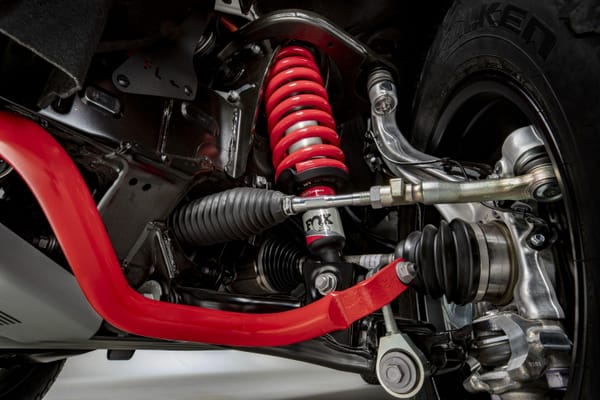
Suspension rarely receives the attention given to engines or aerodynamics, yet it determines how effectively a performance car connects its power, tyres, and driver to the road.
 James Villiers
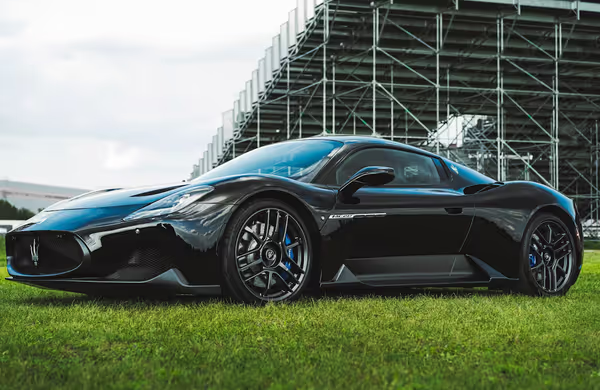
Why the Mid-Engine Layout Changed Performance Cars Forever.
The mid-engine layout transformed the way performance cars distribute weight, manage traction, and approach high-speed handling, becoming a defining architecture of the modern supercar.
 Marcus Chen
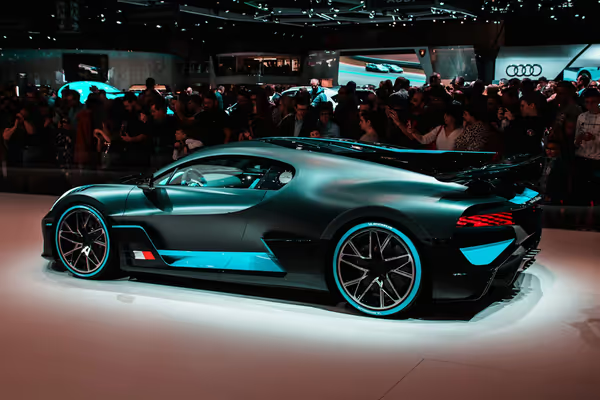
Inside the Engineering of the Bugatti Tourbillon.
The Bugatti Tourbillon represents a new era of hypercar engineering, combining a naturally aspirated V16 engine, hybrid technology, and uncompromising craftsmanship.
 Thomas Ashworth
· Printed in pixels, with care.