
Inside the World's Most Exclusive Automotive Museums.
From Stuttgart to Turin, the world's greatest automotive museums preserve legendary machines, celebrate engineering milestones, and tell the stories behind iconic marques.
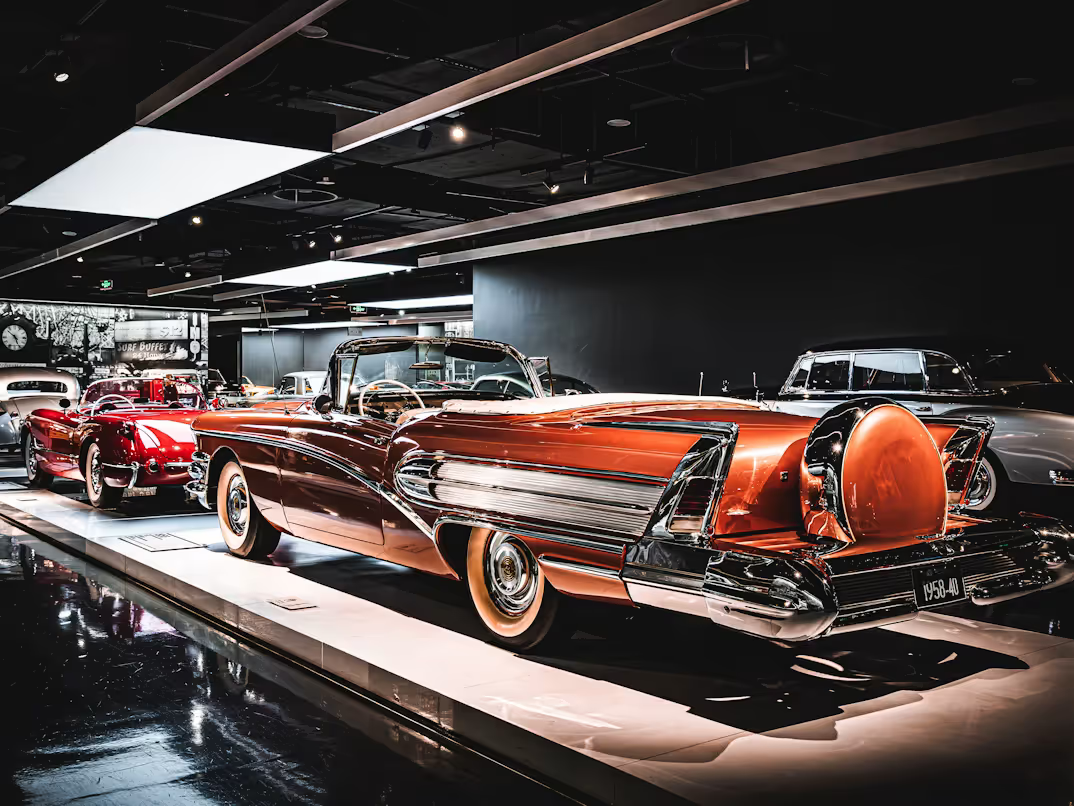
Every remarkable automobile carries a story, but the world's finest automotive museums ensure those stories are never forgotten. Behind their carefully curated galleries are machines that transformed engineering, defined generations of design, and inspired millions of enthusiasts around the world. These museums are far more than collections of historic vehicles—they are living archives of innovation, craftsmanship, and human ambition.
Walking through an automotive museum is unlike visiting a traditional art gallery. Each exhibit represents a milestone in technological progress, whether it is an early racing prototype, a handcrafted grand tourer, or a revolutionary supercar that changed the direction of the industry. Visitors experience not only beautiful automobiles but also the engineering breakthroughs, design philosophies, and cultural moments that shaped their creation.
For enthusiasts, these destinations offer something impossible to replicate through photographs alone. Standing beside an iconic automobile reveals details that often go unnoticed—the curvature of handcrafted body panels, the precision of mechanical components, and the extraordinary craftsmanship invested in every surface. Every gallery reminds visitors that exceptional automobiles deserve to be appreciated not only as machines but also as important works of industrial design.
More Than Collections of Rare Cars
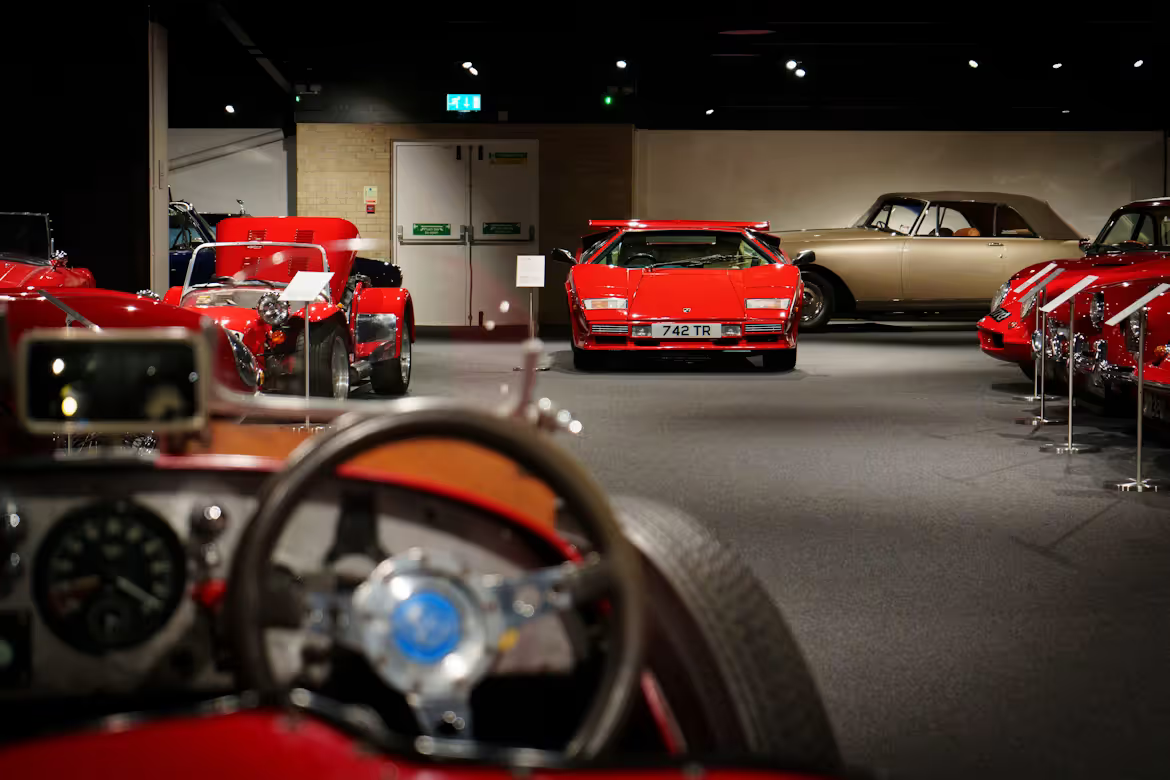
The greatest automotive museums are carefully curated experiences rather than simple collections of valuable automobiles. Every exhibit has been selected to explain how engineering, design, and competition evolved over time. Historic racing cars stand beside elegant grand tourers, experimental concept vehicles, and production icons, allowing visitors to understand how one generation of innovation influenced the next.
Many museums also preserve original sketches, engineering drawings, historic photographs, racing trophies, and handcrafted prototypes that reveal the creative process behind famous automobiles. These artefacts provide valuable context, demonstrating that every legendary vehicle began as an ambitious idea before becoming a celebrated machine.
Interactive exhibits have further transformed the museum experience. Digital displays, multimedia presentations, and immersive installations help visitors explore complex engineering concepts in an engaging way, making automotive history accessible to both lifelong enthusiasts and newcomers alike.
The result is an experience that celebrates not only finished automobiles but also the creativity, determination, and craftsmanship required to bring them into existence.
Where Automotive History Comes Alive
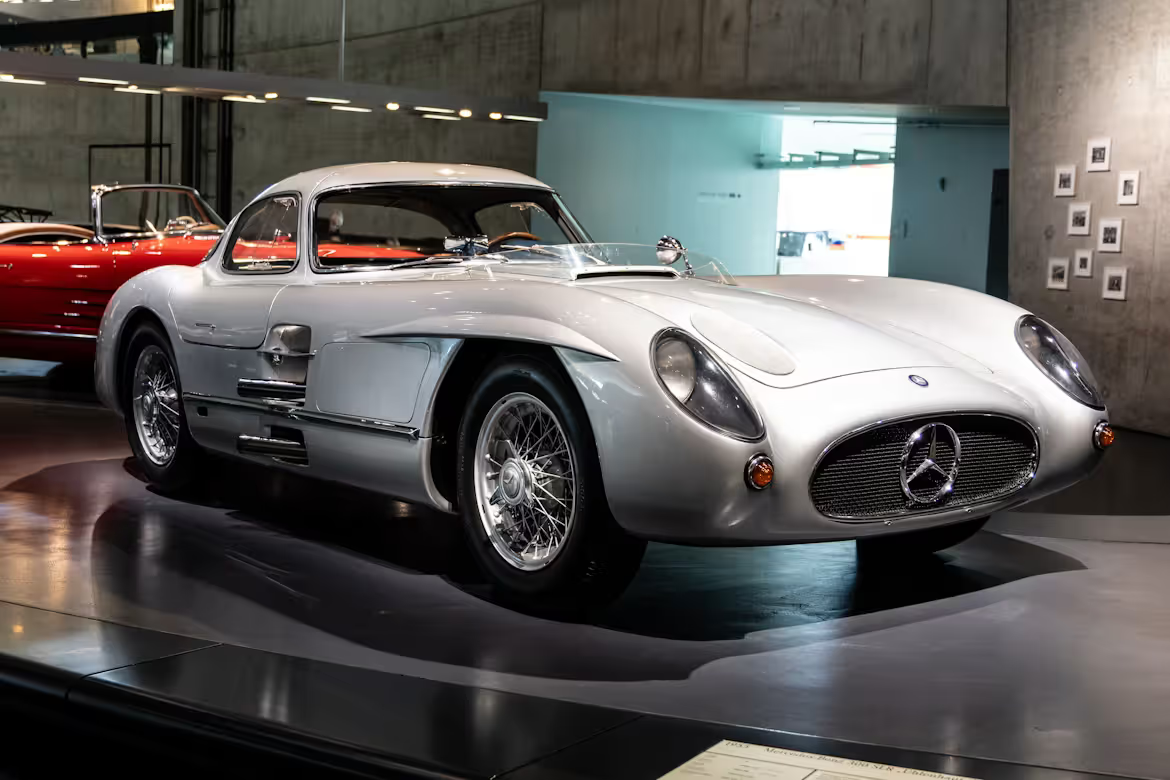
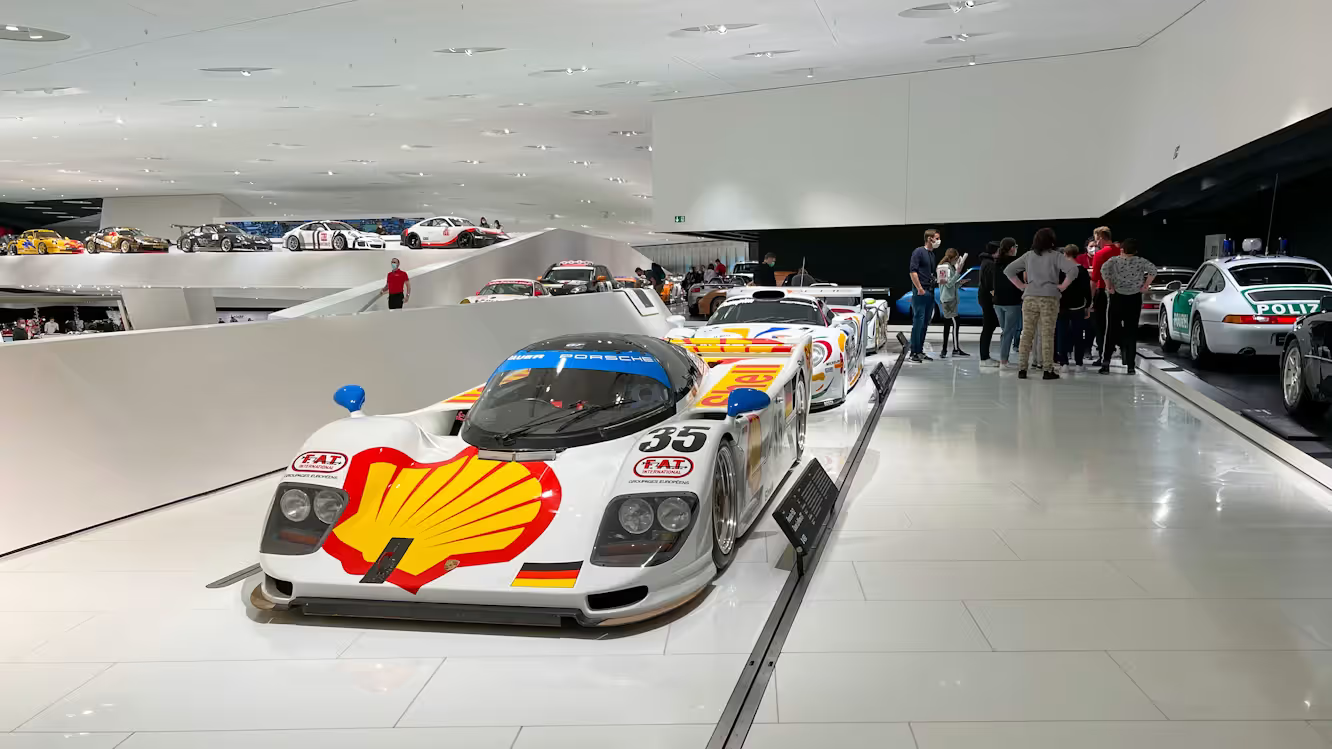
Around the world, several museums have become essential destinations for anyone interested in automotive history. The Mercedes-Benz Museum presents more than a century of innovation, tracing the evolution of the automobile from its earliest beginnings to today's advanced technologies. Nearby, the Porsche Museum showcases one of the world's most successful sports car legacies, combining historic racing machines with modern engineering achievements.
Italy offers equally remarkable experiences. The Museo Ferrari celebrates decades of motorsport success alongside legendary road cars, while Turin's Museo Nazionale dell'Automobile explores the broader history of automotive design through one of Europe's most comprehensive collections.
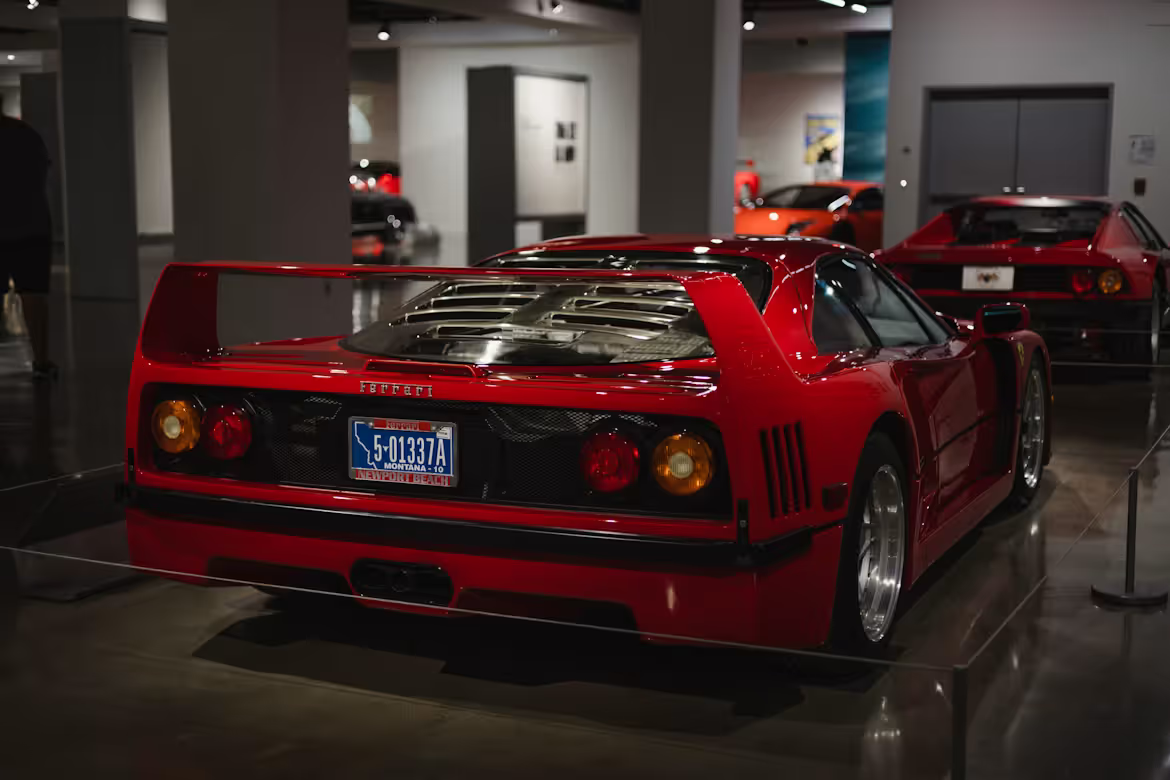
Across the Atlantic, the Petersen Automotive Museum in Los Angeles presents an extraordinary mix of classic automobiles, Hollywood icons, concept vehicles, and significant engineering milestones. Its exhibitions highlight the cultural influence of the automobile alongside its technical evolution, making it one of the most respected automotive museums in the world.
Although each institution tells a different story, they all share a common purpose: preserving the achievements that continue to inspire designers, engineers, collectors, and enthusiasts across generations.
Preserving More Than Machines
Every significant automobile represents far more than its mechanical components. It reflects the people who designed it, the engineers who solved seemingly impossible challenges, the craftsmen who shaped every panel by hand, and the cultural moments that gave it meaning. Automotive museums preserve these stories alongside the vehicles themselves, ensuring future generations understand not only how these cars were built but why they mattered.
Historic racing machines illustrate decades of competition and technological progress. Luxury grand tourers demonstrate the changing standards of craftsmanship and refinement. Experimental concept cars reveal bold ideas that influenced future production models, even if they never reached the road. Together, these exhibits create a complete narrative of automotive evolution.
Without dedicated preservation, many of these milestones would gradually disappear. Museums therefore serve as guardians of automotive heritage, protecting vehicles that continue to inspire designers, engineers, collectors, and enthusiasts around the world.
"An automotive museum doesn't simply display cars—it preserves the stories that shaped the automobile itself."
The Craft of Restoration
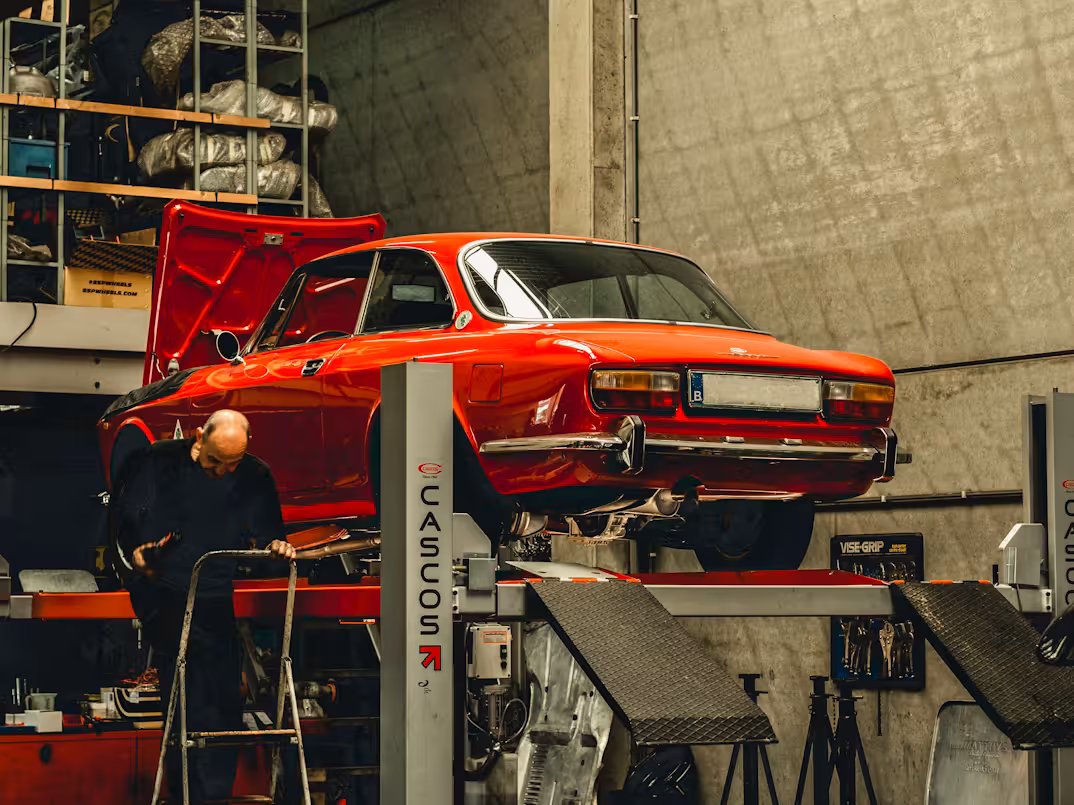
Behind every beautifully presented museum exhibit lies years of meticulous restoration and conservation. Unlike routine maintenance, museum-quality restoration aims to preserve historical authenticity while ensuring each automobile accurately represents its original era.
Specialists carefully research factory records, historic photographs, engineering documents, and original materials before beginning restoration work. Components are repaired rather than replaced whenever possible, while handcrafted techniques often recreate finishes and details no longer used in modern manufacturing.
The objective is not to make a classic automobile appear brand new but to preserve its identity and historical significance. Every restored dashboard, polished chrome trim, and carefully rebuilt engine reflects countless hours of skilled craftsmanship.
This dedication allows visitors to experience these remarkable automobiles almost exactly as previous generations would have seen them, creating a meaningful connection between past and present.
Inspiring the Next Generation
Automotive museums play an important educational role by introducing young enthusiasts to the history of engineering, industrial design, and technological innovation. For many visitors, seeing a legendary automobile in person creates a deeper appreciation than any photograph or video can provide.
Interactive exhibitions, design studios, engineering demonstrations, and educational programmes encourage curiosity about how automobiles are conceived, developed, and manufactured. Students studying engineering or design often discover inspiration by examining the elegant solutions developed decades earlier, proving that innovation is built upon the achievements of previous generations.
Museums also remind experienced enthusiasts that progress is continuous. Every breakthrough celebrated today builds upon countless earlier discoveries preserved within these collections.
By connecting history with modern innovation, automotive museums encourage future designers and engineers to continue pushing the boundaries of what the automobile can become.
More Than a Destination for Enthusiasts
Although automotive museums naturally attract passionate enthusiasts, their appeal extends far beyond those already familiar with cars. Architecture, industrial design, craftsmanship, photography, and cultural history all contribute to exhibitions that are engaging even for visitors with little technical knowledge.
Many museums have evolved into cultural destinations, combining galleries with design exhibitions, restoration workshops, educational spaces, cafés, and special events throughout the year. Temporary exhibitions often explore themes such as sustainable mobility, concept vehicles, motorsport history, or the future of automotive technology, ensuring that every visit offers something new.
This broader approach has transformed automotive museums into places where families, travellers, students, and designers can all discover different perspectives on one of humanity's most influential inventions.
Conclusion
The world's finest automotive museums do far more than display extraordinary vehicles. They preserve engineering achievements, celebrate timeless design, and safeguard the stories behind the automobiles that transformed transportation and inspired generations of enthusiasts.
Every carefully restored exhibit reminds us that great cars are not simply products of their time—they are milestones of creativity, craftsmanship, and innovation. Whether showcasing pioneering racing machines, elegant grand tourers, or groundbreaking concept vehicles, these museums ensure that automotive history remains accessible to everyone.
For anyone who appreciates design, engineering, or the joy of driving, visiting an automotive museum is more than a day out. It is an opportunity to experience the remarkable journey of the automobile and to understand why these machines continue to captivate the world long after they first turned a wheel.
Continue discovering remarkable destinations, automotive heritage, and unforgettable journeys from around the world.
About the Writer

Sophia Harrington
Driving Experiences Editor exploring legendary roads, grand touring adventures, luxury automotive travel, and unforgettable journeys behind the wheel.
Discussion
More from this issue.

The Rise of the Performance Wagon.
Performance wagons challenged the idea that practicality and driving excitement belonged to separate worlds, combining everyday versatility with serious performance.
 Alexander Moreau
Why Suspension Is the Hidden Foundation of Performance.
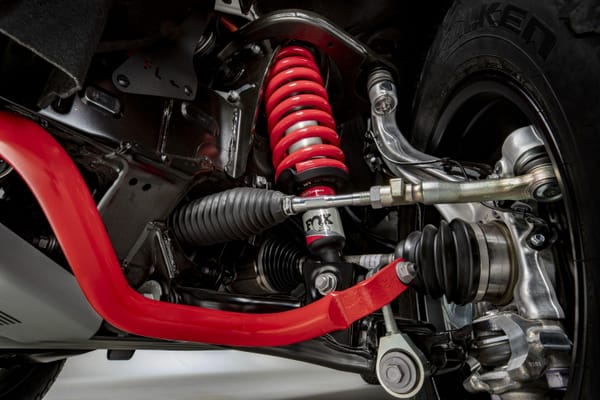
Suspension rarely receives the attention given to engines or aerodynamics, yet it determines how effectively a performance car connects its power, tyres, and driver to the road.
 James Villiers

The World's Greatest Driving Roads Every Enthusiast Should Experience.
Some roads are more than routes between destinations—they're unforgettable driving experiences where engineering, scenery, and adventure come together in perfect harmony.
 Sophia Harrington
· Printed in pixels, with care.