
The Science of Stopping: How High-Performance Brakes Have Evolved.
Modern performance brakes combine advanced materials, cooling, and precise engineering to give high-performance cars the confidence to stop as dramatically as they accelerate.
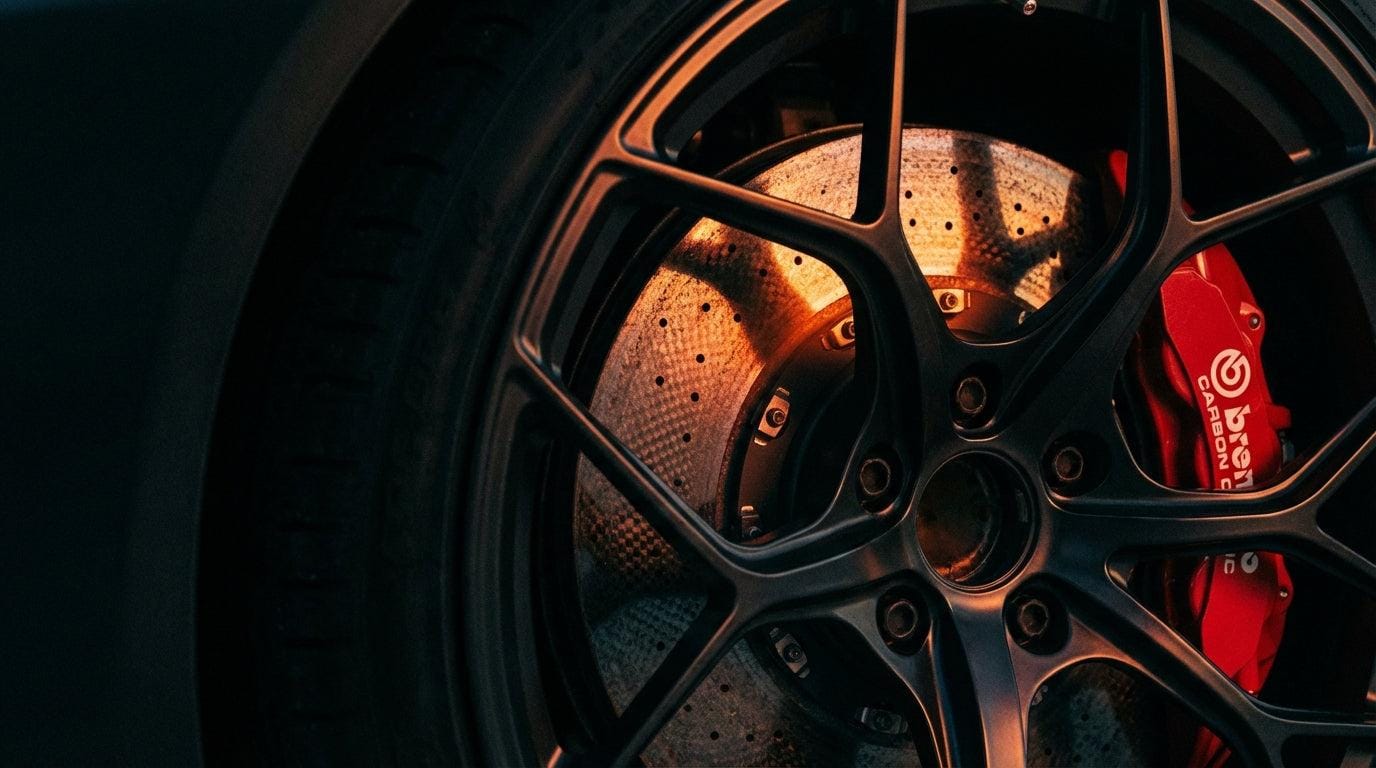
Acceleration is one of the easiest ways to describe a performance car. Horsepower, torque, and acceleration figures immediately communicate speed. Yet the ability to stop that speed with precision is just as important.
A high-performance automobile places extraordinary demands on its braking system. Every heavy braking zone converts the vehicle's kinetic energy into heat, requiring discs, pads, calipers, tyres, and cooling systems to work together under immense stress. The challenge becomes even greater when a car is driven repeatedly at high speed, where inconsistent braking can compromise both performance and driver confidence.
Modern braking systems are therefore far more sophisticated than the simple mechanical components found on early automobiles. Advanced materials, improved ventilation, larger friction surfaces, electronic control systems, and carefully engineered cooling solutions have transformed the way performance cars slow down.
The finest systems are not simply powerful. They are predictable, durable, and capable of delivering the same confidence repeatedly.
From Mechanical Simplicity to Performance Engineering
Early automobile braking systems were relatively straightforward compared with today's technology. Mechanical mechanisms transferred pressure to braking components, allowing the vehicle to slow through friction. As automobiles became faster and heavier, however, these systems faced increasingly demanding conditions.
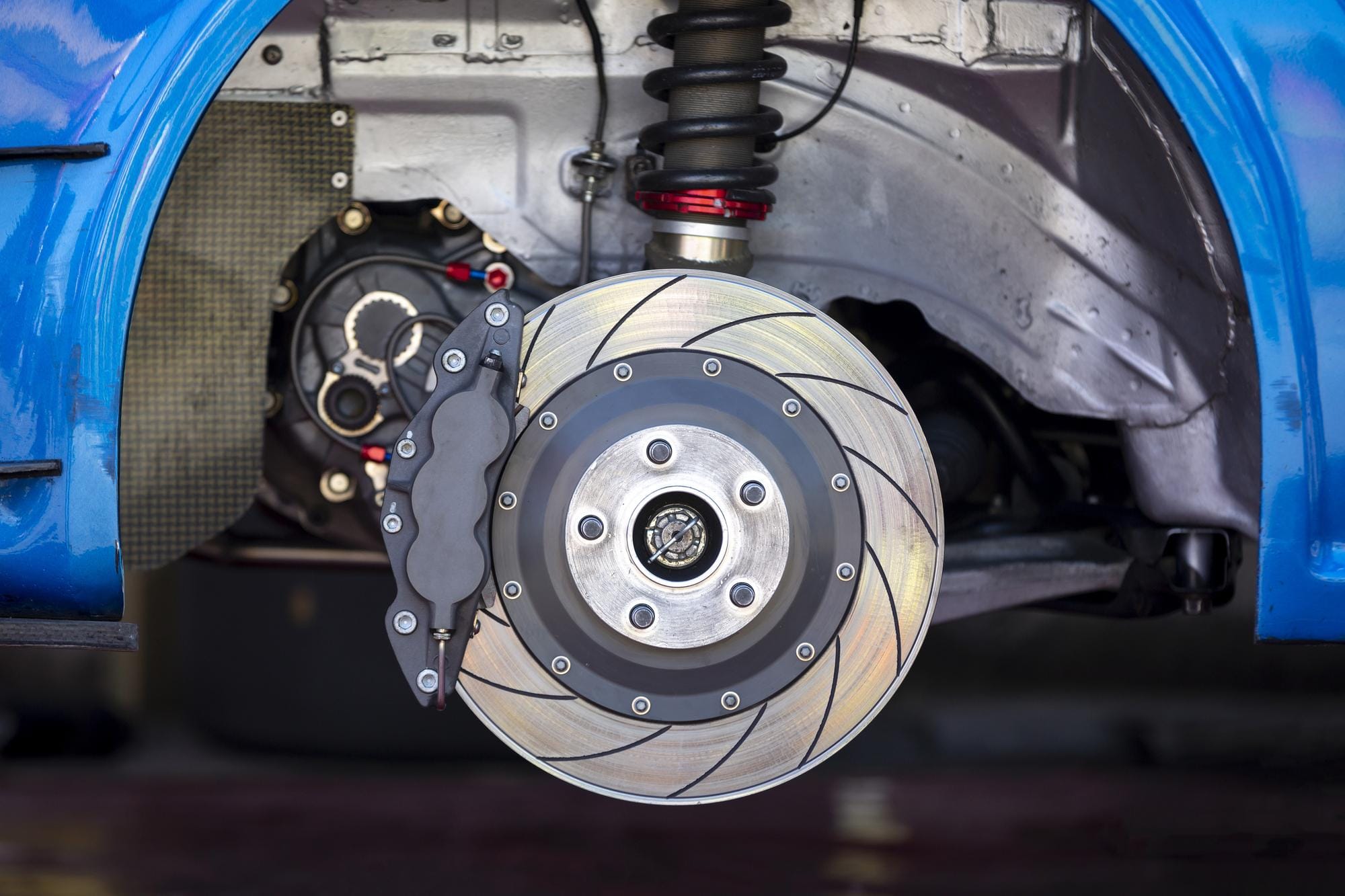
Disc brakes represented an important evolution. By placing the friction surface in an exposed position, engineers could improve heat dissipation and provide more consistent braking performance. Over time, ventilation, larger discs, improved pad materials, and more sophisticated hydraulic systems continued to increase capability.
The arrival of electronic systems introduced another major transformation. Anti-lock braking systems helped prevent wheel lock during hard braking, while electronic brake-force management allowed modern vehicles to distribute braking pressure more intelligently between the wheels.
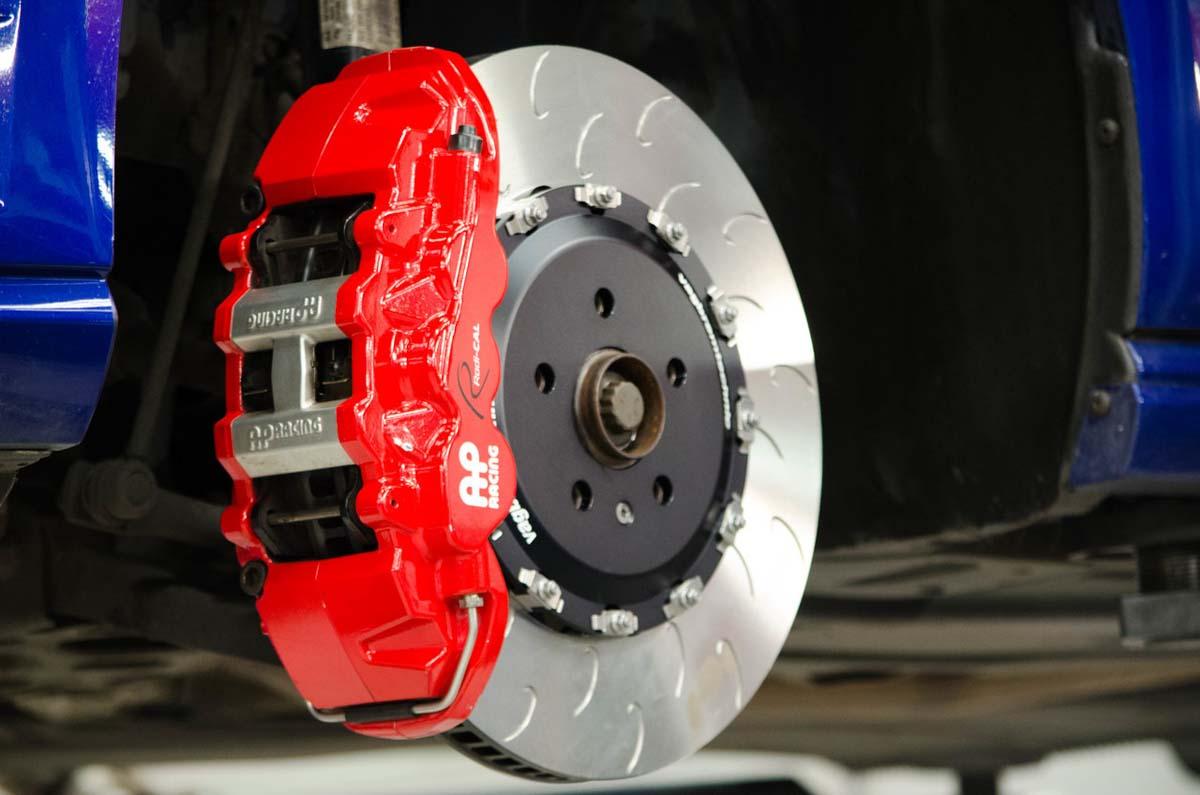
Performance cars pushed these developments even further. Larger braking surfaces, multi-piston calipers, advanced friction materials, and extensive cooling systems became essential as engine power and vehicle speeds continued to increase.
The Battle Against Heat
Heat is one of the greatest enemies of high-performance braking. Every time the brakes are applied, kinetic energy is converted into thermal energy. During repeated heavy braking, temperatures can rise rapidly, potentially affecting the consistency of the system.
Engineers therefore design performance brakes around heat management as much as stopping power.
Ventilated discs allow airflow to pass through internal channels, helping remove heat from the braking surface. Carefully designed brake ducts can direct cooling air toward discs and calipers, while specially formulated brake pads are engineered to maintain friction characteristics across demanding temperature ranges.
The surrounding wheel design also plays a role. Airflow around the wheel can influence how effectively heat is removed, making wheel design an important part of the overall braking system.
This is why a high-performance brake package cannot be judged simply by the size of its discs. The entire system must work together to manage energy and maintain consistent performance.
Carbon-Ceramic Brakes
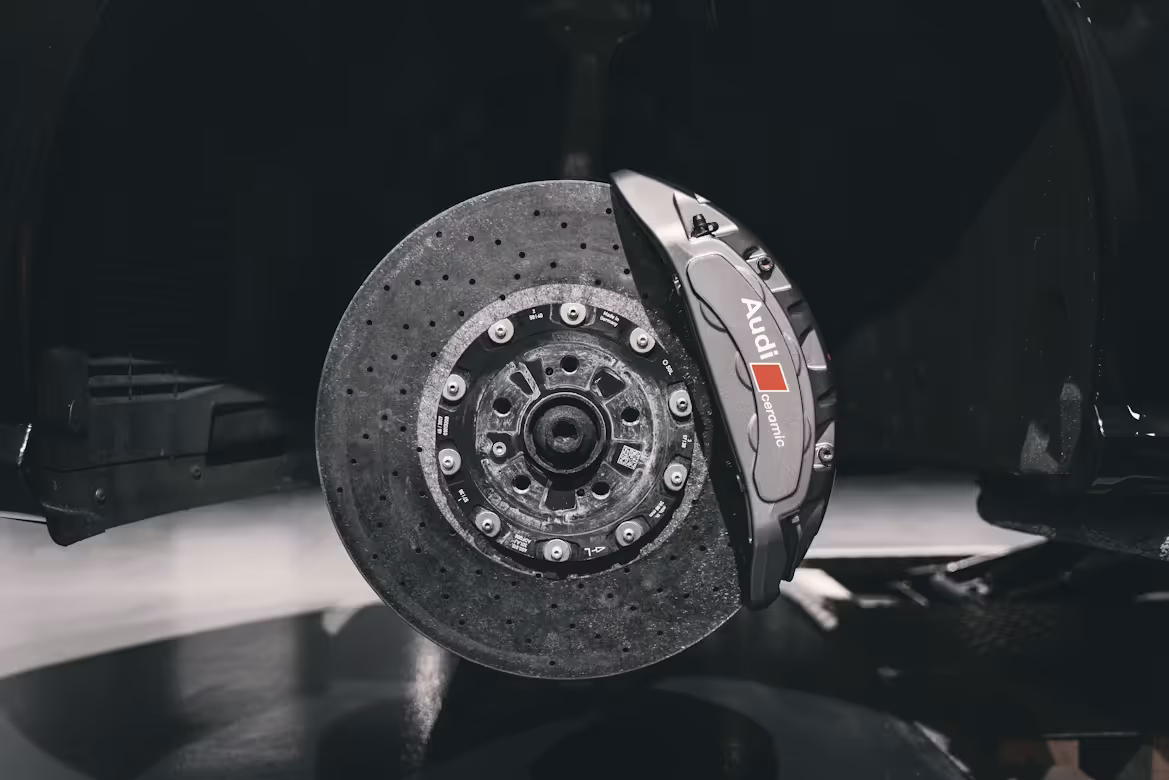
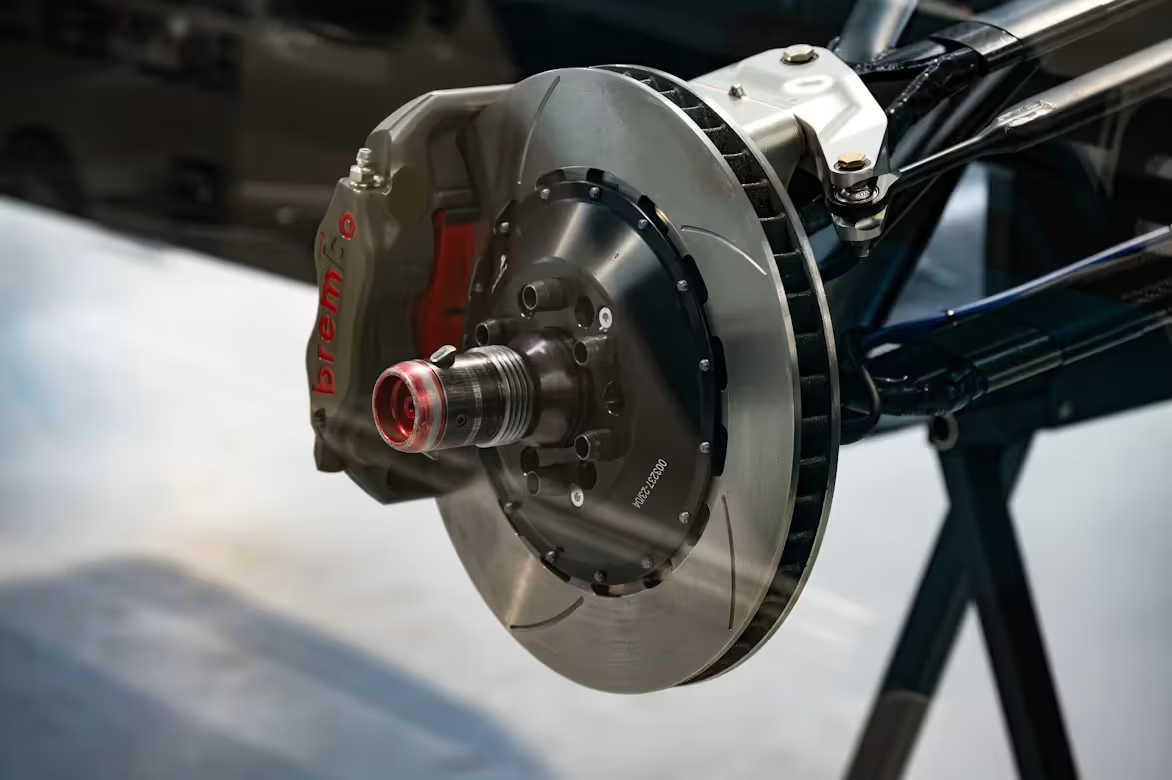
One of the most significant developments in high-performance braking has been the adoption of carbon-ceramic materials. Compared with conventional steel discs, carbon-ceramic systems can offer lower weight, strong resistance to heat, and consistent performance during demanding driving.
Reducing unsprung mass is particularly valuable in a performance automobile. The brakes are part of the wheel assembly, so reducing their weight can improve suspension response and help the tyres maintain contact with the road.
The material also handles extreme temperatures effectively, making carbon-ceramic brakes particularly suited to supercars and track-focused automobiles. Their characteristics have made them increasingly common in vehicles designed to combine exceptional road performance with repeated high-speed braking.
However, advanced materials are only one part of the equation. A high-performance braking system still depends on the correct combination of discs, pads, calipers, tyres, cooling, and electronic control.
"The ultimate braking system isn't simply powerful. It gives the driver confidence to use every bit of performance available."
The Importance of Brake Feel
Numbers can describe braking performance, but they cannot fully describe how a braking system feels from behind the wheel.
Brake feel refers to the relationship between pedal movement and the response of the vehicle. A well-engineered system gives the driver a predictable sense of how much braking force is available, allowing pressure to be adjusted precisely as conditions change.
This becomes especially important during high-performance driving. Drivers need to modulate braking smoothly while approaching corners, balancing maximum deceleration with the need to maintain control and stability.
Modern electronic systems have made this relationship increasingly sophisticated. Sensors continuously monitor wheel speed, vehicle movement, and braking inputs, allowing electronic systems to intervene when necessary while maintaining a natural connection between the driver and the car.
Lessons Learned from Motorsport
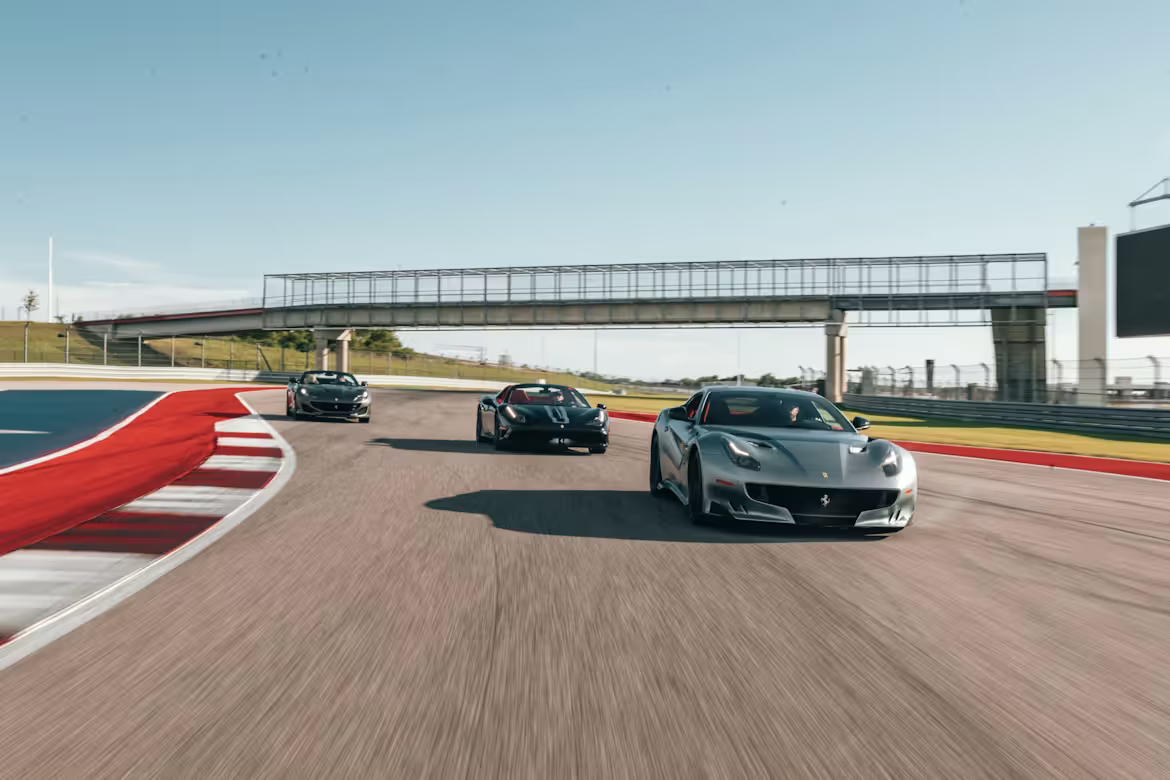
Motorsport has played an important role in the development of high-performance braking technology. Racing environments expose braking systems to repeated extreme loads, making them valuable laboratories for materials, cooling strategies, and electronic control.
Competition has encouraged manufacturers to develop lightweight braking components, advanced friction materials, improved ventilation, and sophisticated brake-management systems. These solutions can eventually influence road cars, where performance requirements may be less extreme but expectations for safety and consistency remain high.
Endurance racing is particularly demanding because braking systems must maintain predictable performance over long periods. The lessons learned from repeated high-temperature cycles have helped engineers understand how materials behave under sustained stress.
The relationship works both ways. Road-car technology can also influence competition as manufacturers refine commercially viable solutions before adapting them for demanding motorsport environments.
The Future of High-Performance Braking
Braking technology will continue evolving as automobiles become faster, heavier, and increasingly electrified.
Electric performance cars introduce new opportunities through regenerative braking, which allows electric motors to recover energy during deceleration. Instead of converting all kinetic energy into heat through friction, part of the energy can be redirected into the battery.
This changes the role of the conventional braking system. Friction brakes remain essential for strong deceleration and emergency situations, but regenerative systems can reduce their workload during everyday driving.
The challenge for engineers is creating a seamless transition between regenerative and friction braking. The driver should experience a consistent and predictable response regardless of which system is providing the majority of the deceleration.
Future performance cars will likely combine advanced materials, intelligent software, regenerative systems, and increasingly sophisticated brake-by-wire technologies to create lighter and more efficient braking systems.
Conclusion
High-performance braking has evolved from a relatively simple mechanical function into one of the most sophisticated areas of automotive engineering.
Every improvement in acceleration, top speed, aerodynamics, and vehicle dynamics creates a corresponding demand for greater braking capability. Advanced materials help manage weight and temperature, sophisticated cooling systems maintain consistency, and electronic technologies provide increasingly precise control.
Yet the fundamental purpose has never changed.
A great braking system gives the driver confidence.
That confidence allows a performance car to be driven closer to its potential, transforming enormous amounts of speed into controlled and predictable motion. Whether the automobile is powered by a traditional engine, a hybrid system, or electricity, the importance of stopping will remain inseparable from the pursuit of performance.
The faster cars become, the more important stopping becomes.
Discover the technology, materials, and engineering breakthroughs that make today's most extraordinary performance automobiles possible.
About the Writer

James Villiers
Performance Engineering Editor focusing on engines, aerodynamics, chassis development, lightweight construction, and the technologies behind today's fastest road cars.
Discussion
More from this issue.
Why Suspension Is the Hidden Foundation of Performance.
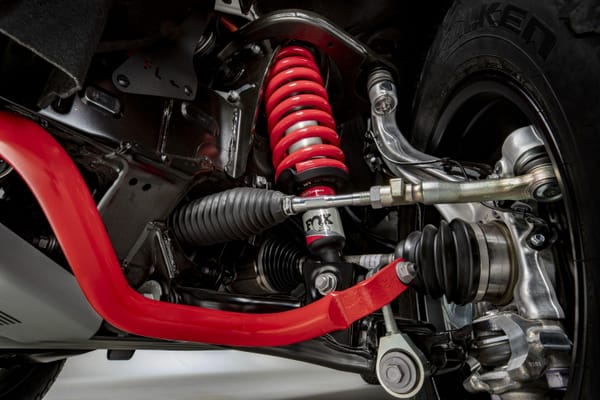
Suspension rarely receives the attention given to engines or aerodynamics, yet it determines how effectively a performance car connects its power, tyres, and driver to the road.
 James Villiers
Why the Mid-Engine Layout Changed Performance Cars Forever.
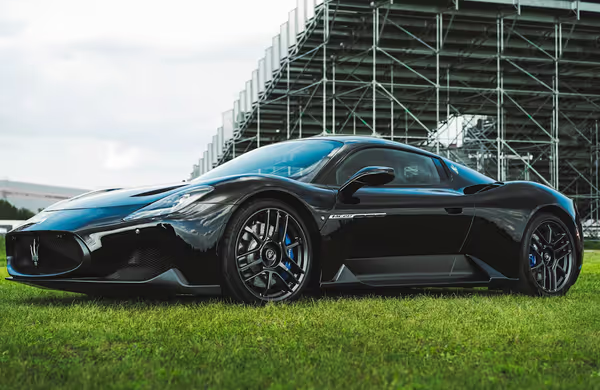
The mid-engine layout transformed the way performance cars distribute weight, manage traction, and approach high-speed handling, becoming a defining architecture of the modern supercar.
 Marcus Chen

Inside the Engineering of the Bugatti Tourbillon.
The Bugatti Tourbillon represents a new era of hypercar engineering, combining a naturally aspirated V16 engine, hybrid technology, and uncompromising craftsmanship.
 Thomas Ashworth
· Printed in pixels, with care.