
When Automotive Design Became a Cultural Icon.
Some automobiles become cultural icons because their design captures the spirit of an era and remains instantly recognisable long after its time.

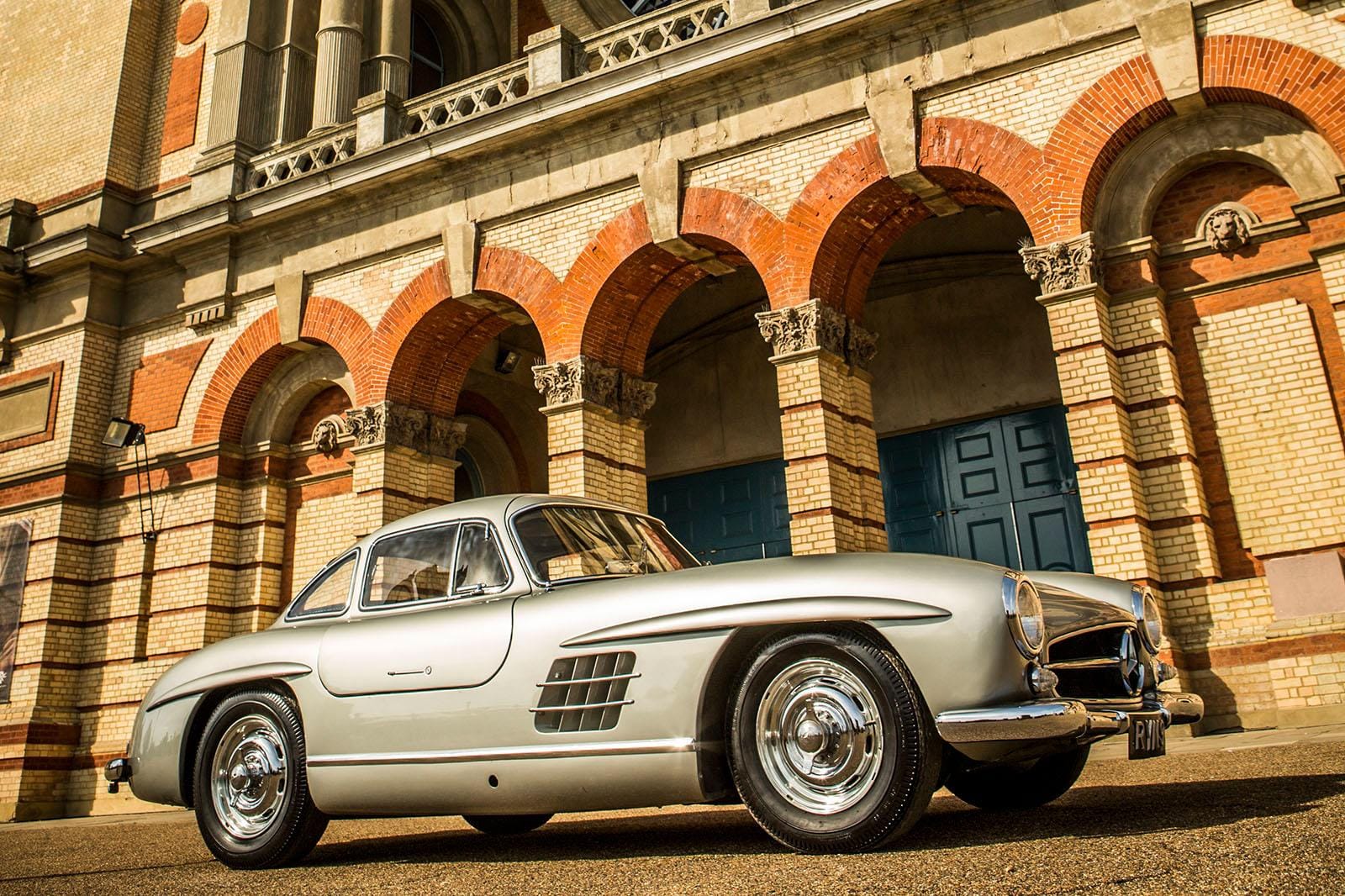
Some automobiles are remembered because they were fast. Others are remembered because they introduced important technology or achieved remarkable success on the racetrack. But a select few become something much larger: cultural icons whose designs remain recognisable long after their original era has disappeared.
These automobiles occupy a unique place between engineering, art, and popular culture. Their shapes become familiar even to people who have little interest in cars. Their silhouettes appear in photography, advertising, film, fashion, architecture, and design. Decades after they first appeared, they can still communicate a particular idea of speed, elegance, freedom, or rebellion.
This transformation rarely happens by accident. The most enduring designs usually combine strong proportions with a distinctive visual identity and a clear sense of purpose. They do not simply follow the trends of their time. Instead, they establish shapes and ideas that later designers continue to reference.
That is why certain automobiles remain visually powerful even when technology has moved far beyond them.

The Power of Proportion
Before colour, trim, badges, or individual details are considered, an automobile is defined by its proportions. The relationship between the wheels, cabin, body, glasshouse, and overhangs establishes the character that viewers recognise almost instinctively.
This is why some cars remain visually compelling even when stripped of their most recognisable details. A low roofline, long bonnet, short rear deck, or dramatically positioned cockpit can communicate an entire design philosophy through shape alone.
Proportion also reflects the engineering underneath. A front-engine grand tourer naturally develops a different visual balance from a compact mid-engine sports car. A lightweight roadster communicates openness through its cabin architecture, while a high-performance coupe may use a low roof and wide stance to suggest stability and speed.
The most successful designs make these engineering requirements feel beautiful.
Nothing appears unnecessarily added, and nothing seems to be missing.
Form That Serves a Purpose
The relationship between aesthetics and function has always been central to automotive design. Early performance automobiles relied on simple aerodynamic principles, while contemporary vehicles use sophisticated computational analysis to shape almost every exterior surface.
Yet the fundamental idea remains remarkably similar: form should support function.
A curved roof can reduce aerodynamic resistance while creating an unmistakable silhouette. Air intakes can provide essential cooling while becoming defining visual features. A rear spoiler can improve stability while adding visual drama. Even the position of a headlamp can influence how wide, low, or aggressive an automobile appears.
The greatest designs rarely separate beauty from engineering. Instead, they allow the two disciplines to reinforce one another.
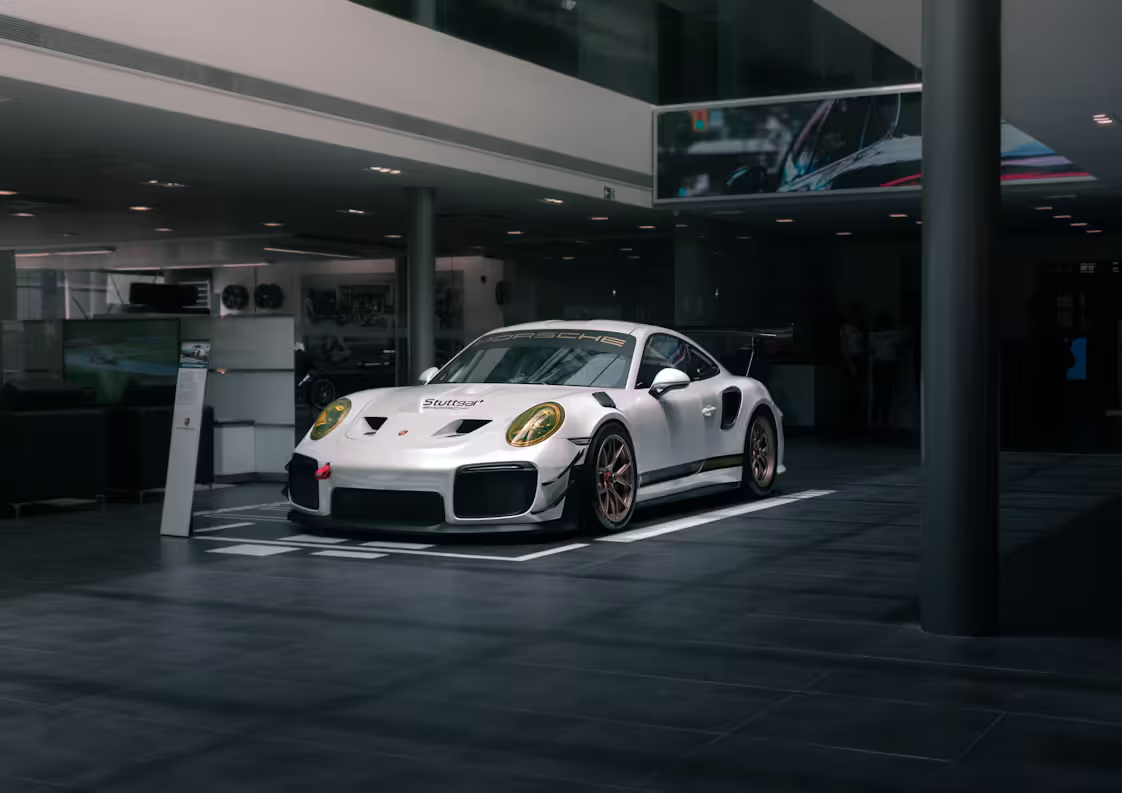
This is particularly evident in iconic performance cars. Their most recognisable details often exist because engineers needed to solve a specific problem, yet those solutions eventually became part of the vehicle's identity.
When a Car Becomes More Than a Machine
A cultural icon develops when an automobile begins to represent something beyond its original purpose.
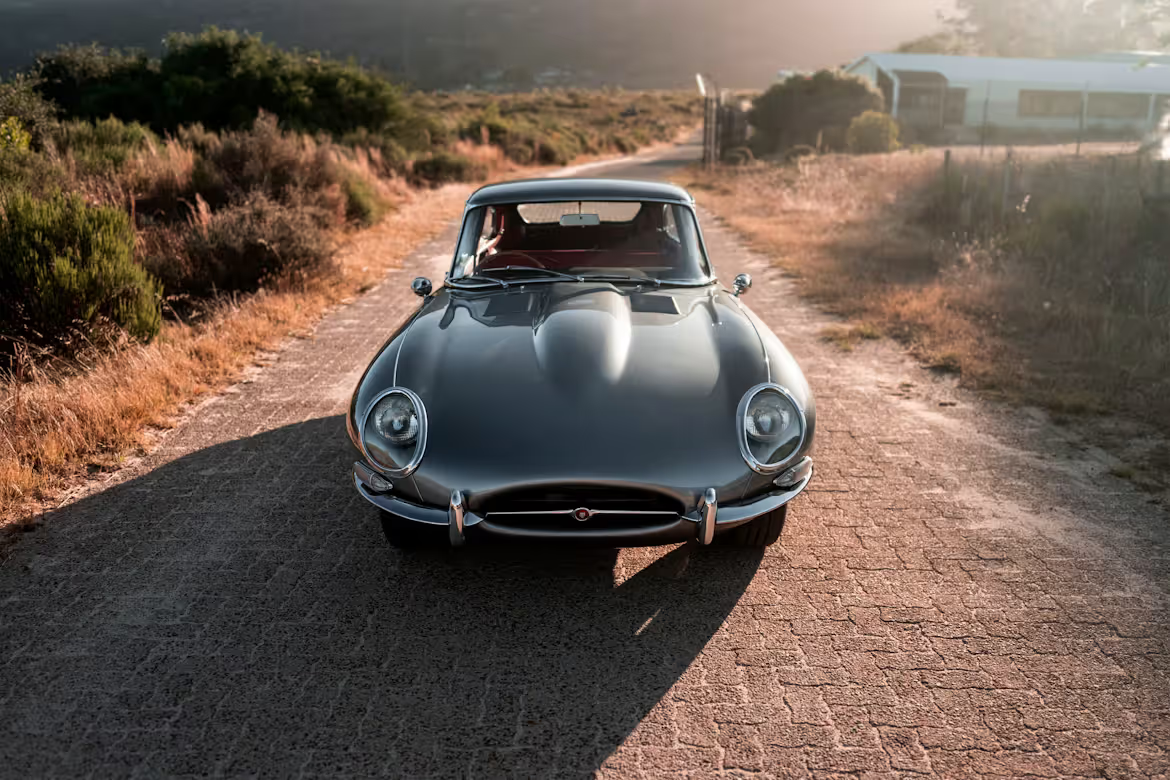
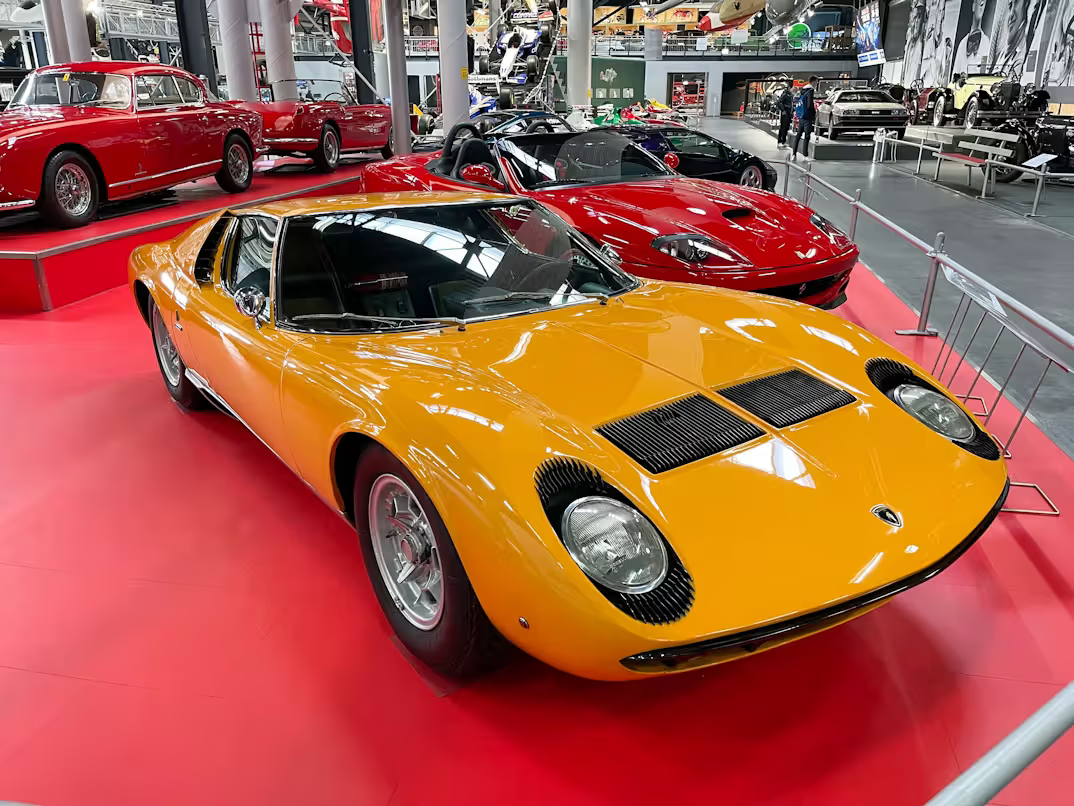
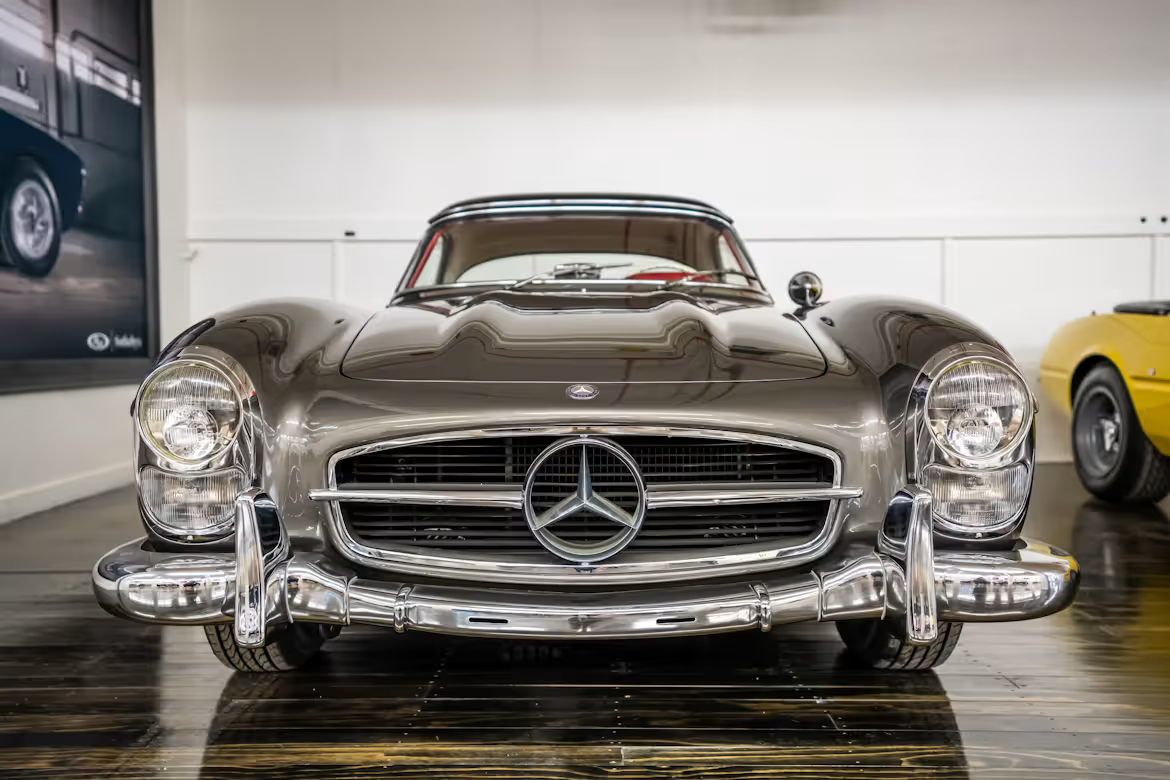
The Mercedes-Benz 300 SL became associated with post-war technical ambition and dramatic design. The Porsche 911 developed an identity that extended far beyond its engineering formula, becoming one of the most recognisable silhouettes in automotive history. The Jaguar E-Type became closely associated with an era of British sports-car elegance, while the Lamborghini Miura helped establish a new visual language for the modern supercar.
Their importance does not come from one feature alone. Each automobile represents a combination of design, engineering, historical context, and cultural timing.
They arrived at moments when society was changing, and their designs captured something about the world around them.
When Cars Enter Popular Culture
An automobile becomes truly iconic when its identity extends beyond the road. Film, photography, advertising, fashion, and popular media can transform a distinctive design into something recognised by audiences who may never have driven the car themselves.
Certain silhouettes become associated with particular eras or characters. A sports car can represent freedom, sophistication, rebellion, or technological ambition simply through the way it is presented. Photography can emphasise its proportions, while cinema can turn its movement and sound into part of a larger cultural story.
This relationship works in both directions. Popular culture can make an automobile famous, while influential automobiles can also shape the visual language of the culture around them.
The result is a lasting association between design and identity.
"The most memorable cars don't simply belong to an era; they help define how that era is remembered."
Why Some Designs Survive the Trends
Automotive design changes constantly. Fashion, technology, safety regulations, manufacturing methods, and consumer preferences all influence the appearance of new vehicles. Yet certain designs remain remarkably attractive despite these changes.
Timeless design usually depends on proportion rather than decoration. Strong silhouettes, balanced surfaces, and purposeful details tend to age more gracefully than styling elements created primarily to follow a temporary trend.
This explains why many celebrated classics continue to influence contemporary designers. Their appeal is not dependent on a particular technology or fashionable detail. Instead, their fundamental shape remains coherent.
A timeless automobile also communicates its purpose clearly. A grand tourer looks different from a lightweight sports car because each has a different role. When the design accurately expresses that purpose, it becomes easier for the vehicle to remain relevant even as tastes evolve.
Heritage Without Repetition
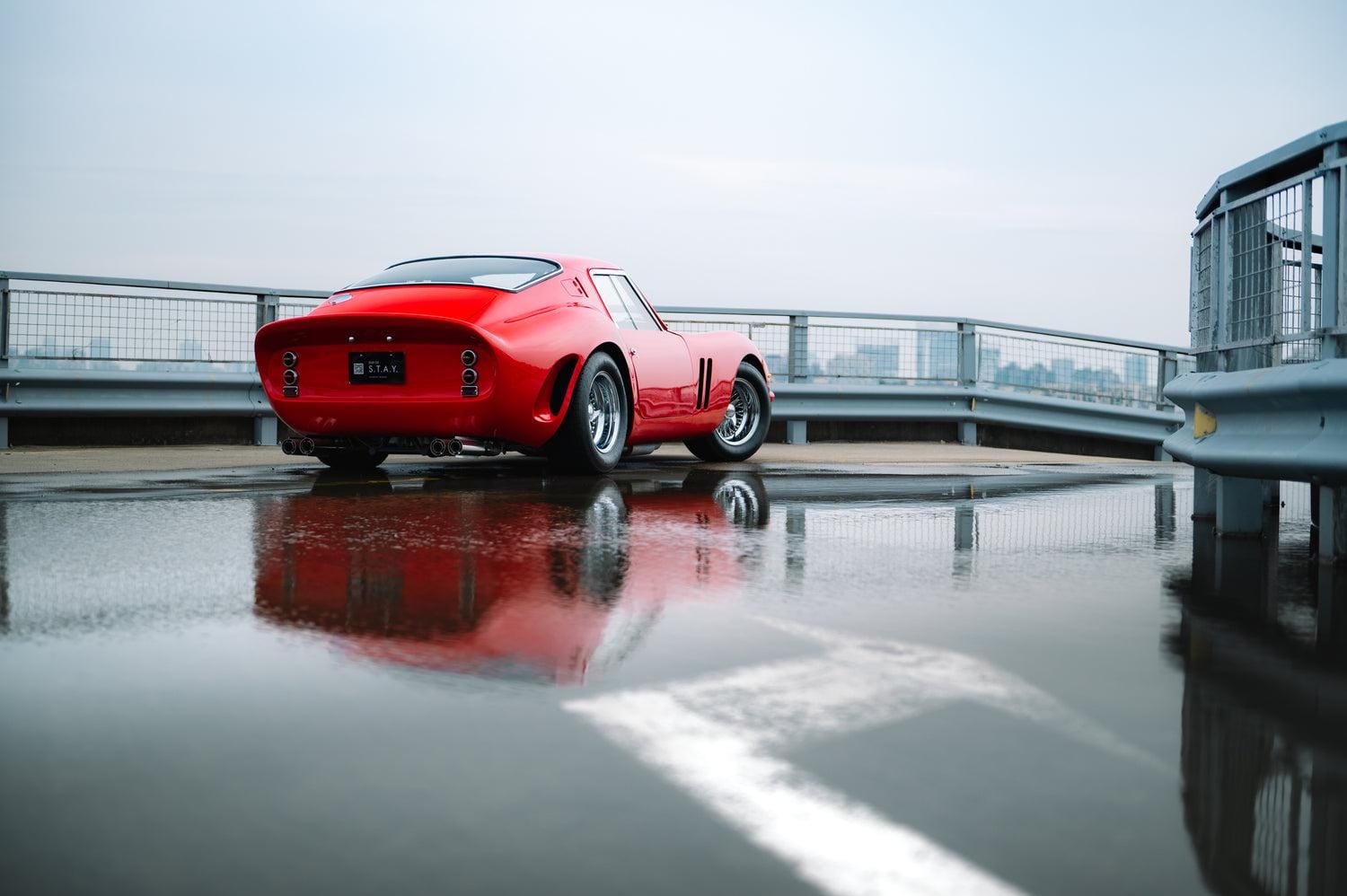
Modern designers frequently look to automotive history for inspiration, but recreating a classic design exactly is rarely the objective. The more interesting approach is to reinterpret familiar ideas through contemporary technology.
Designers may reference a historic silhouette, a distinctive lighting arrangement, a characteristic grille, or a particular relationship between the cabin and bodywork. These elements can then be translated using modern materials, aerodynamic requirements, and manufacturing techniques.
The challenge is finding the right balance. Too much nostalgia can make a new automobile feel like a copy of the past, while completely ignoring heritage can result in a design without a meaningful connection to automotive history.
The strongest interpretations understand the original idea before developing it further.
Heritage becomes inspiration rather than imitation.
When Innovation Becomes Tradition
Automotive history is full of innovations that eventually became familiar design conventions. Features once considered radical can become so strongly associated with a particular category that they eventually feel essential.
The mid-engine supercar layout, aerodynamic bodywork, integrated spoilers, lightweight composite structures, and increasingly sophisticated lighting systems all demonstrate how innovation can gradually become tradition.
This process continues today. Electric powertrains are creating new proportions, designers are experimenting with digital interfaces, and aerodynamic requirements are reshaping exterior surfaces. Some of these ideas will eventually become defining characteristics of future automotive design.
The icons of tomorrow are therefore being created today.
Their significance will depend not only on how advanced their technology was, but on whether their design captures something meaningful about the era in which they were created.
The Future of Automotive Identity
As automobiles become increasingly shaped by software, electrification, and advanced driver-assistance systems, designers face a new challenge: creating emotional identities for machines that may operate very differently from their predecessors.
Without a traditional engine, familiar proportions can change. Without conventional grilles, front-end design can take new forms. Digital lighting can become more expressive, while aerodynamic surfaces can become increasingly adaptive.
Yet these changes do not eliminate the fundamental principles of design.
Proportion still matters. Surface quality still matters. Craftsmanship still matters. Most importantly, emotional connection still matters.
The next generation of automotive icons will likely combine these timeless principles with technologies that previous generations could never have imagined.
Conclusion
The most important automotive designs become cultural icons because they transcend their original purpose. They represent engineering achievements, artistic expression, historical moments, and the aspirations of the people who created and experienced them.
Their influence can be seen in modern automobiles, architecture, fashion, photography, and popular culture. Decades after their introduction, their proportions and silhouettes continue to inspire designers because great design does not depend entirely on technology.
As the automobile enters another period of transformation, the definition of an automotive icon will evolve once again. Electric powertrains, digital interfaces, advanced materials, and intelligent aerodynamics will create new possibilities.
Discover the designs, engineering milestones, and cultural moments that shaped the automobile and continue to influence its future.
About the Writer

Thomas Ashworth
Hypercars Editor specializing in Bugatti, Pagani, Koenigsegg, and other engineering masterpieces that redefine speed, exclusivity, and automotive innovation.
Discussion
More from this issue.
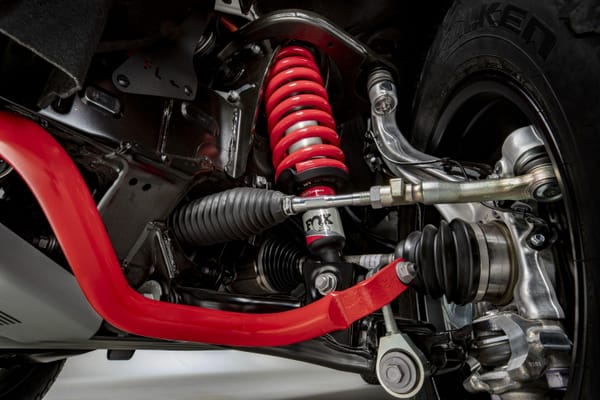
Why Suspension Is the Hidden Foundation of Performance.
Suspension rarely receives the attention given to engines or aerodynamics, yet it determines how effectively a performance car connects its power, tyres, and driver to the road.
 James Villiers
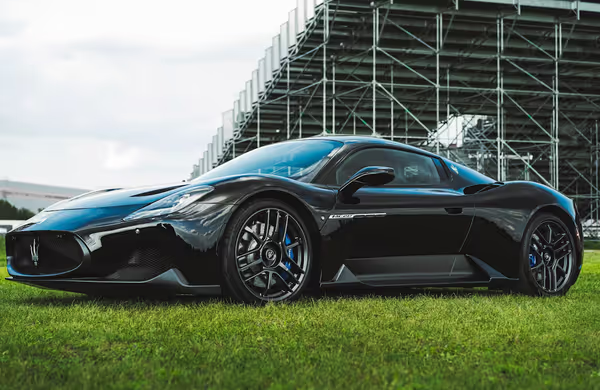
Why the Mid-Engine Layout Changed Performance Cars Forever.
The mid-engine layout transformed the way performance cars distribute weight, manage traction, and approach high-speed handling, becoming a defining architecture of the modern supercar.
 Marcus Chen

The Art of Automotive Photography.
Automotive photography transforms machines into visual stories, capturing design, movement, atmosphere, and the emotions that surround exceptional cars.
 Sophia Harrington
· Printed in pixels, with care.