
The Evolution of Grand Touring Cars.
From elegant touring coupes to modern performance GTs, grand touring cars have evolved around one timeless idea: making distance feel effortless.

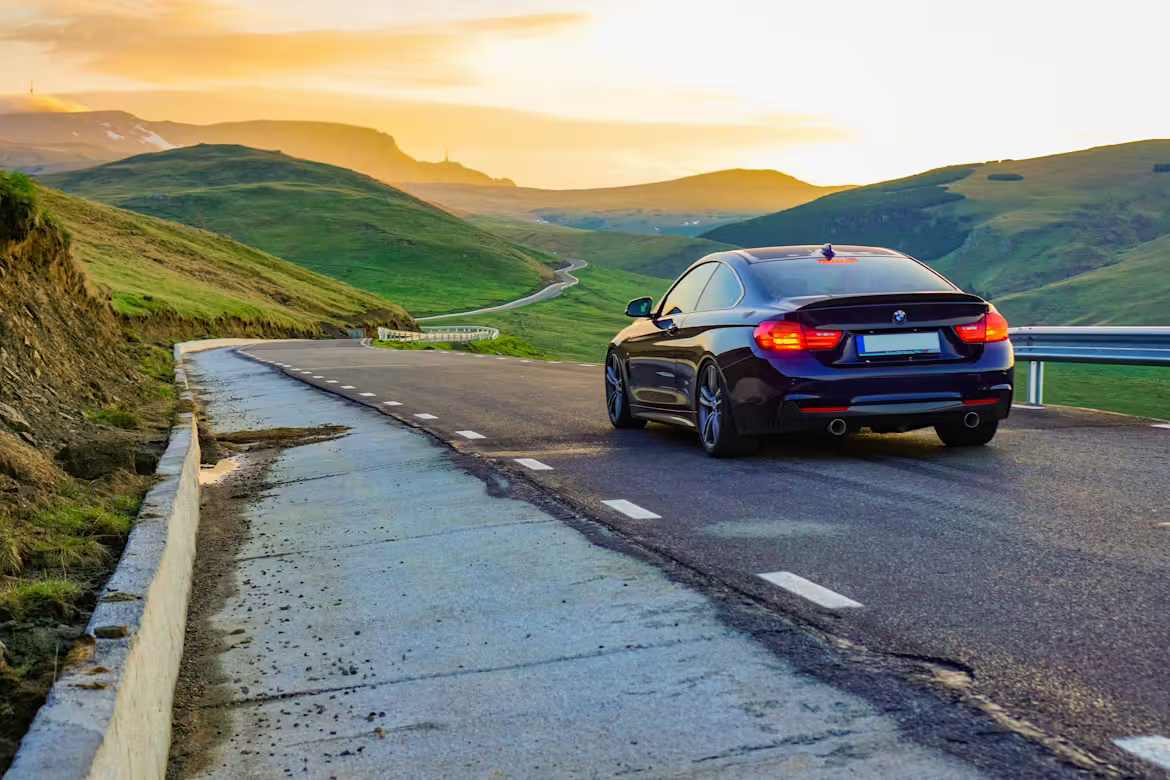
Few automotive ideas have remained as consistent as the grand tourer. While engines, materials, technology, and design have changed dramatically over the decades, the fundamental purpose of a GT remains familiar: combine performance and comfort in a machine designed to make long-distance travel feel effortless.
A grand tourer occupies an interesting space between sports car and luxury automobile. It should have enough performance to make an open road engaging, yet enough refinement to make several hours behind the wheel feel natural. It is not designed purely for a racetrack, nor is it simply a comfortable way to travel. Its identity comes from finding the balance between the two.
That balance has allowed the grand tourer to evolve through countless automotive eras. Early touring coupes prioritised craftsmanship and long-distance capability. Later generations introduced more powerful engines, sophisticated suspension systems, advanced aerodynamics, and increasingly luxurious interiors.
Where Grand Touring Began
The idea of travelling long distances in a powerful and comfortable automobile developed alongside the growth of modern road networks and automobile culture. As driving became a form of leisure rather than simply transportation, enthusiasts wanted cars capable of covering significant distances without sacrificing enjoyment.
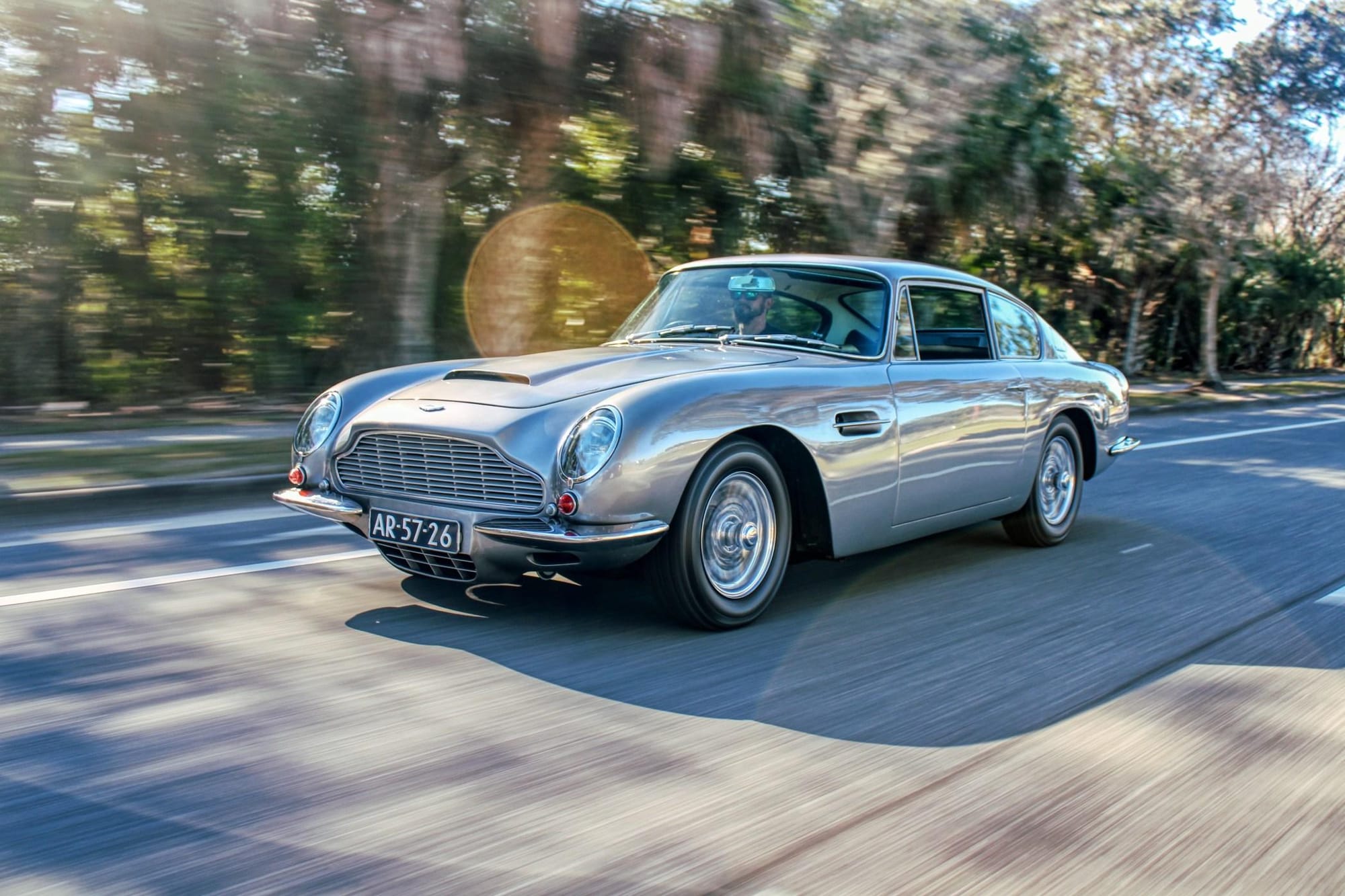
These early grand tourers were often elegant coupes with powerful engines, refined interiors, and enough luggage capacity for extended journeys. They were designed for open roads rather than racetracks, giving drivers the ability to travel quickly while remaining comfortable.
The concept was never defined by one specific engine configuration or body style. Instead, it was defined by an approach to driving.
A grand tourer needed to feel composed at speed, comfortable over distance, and rewarding when the road became more challenging.
That combination established a formula that manufacturers would continue refining for generations.
Performance Without Sacrificing Comfort
The greatest challenge of grand touring has always been finding the right balance between performance and refinement.
A sports car can prioritise lightweight construction, aggressive suspension settings, and maximum driver involvement. A luxury car can focus almost entirely on comfort and quietness. The GT sits between these philosophies.
Its suspension must provide enough control for enthusiastic driving without becoming exhausting over long journeys. Its engine should deliver effortless performance without demanding constant attention. The seating position must support the driver for extended periods, while the cabin needs to remain quiet enough to make distance feel manageable.
This balance is more difficult than simply maximising one characteristic.
Too much comfort can make a GT feel disconnected from the road. Too much performance can turn a long journey into a physical challenge.
The best grand tourers make both qualities feel natural.
The Design of the Grand Tourer
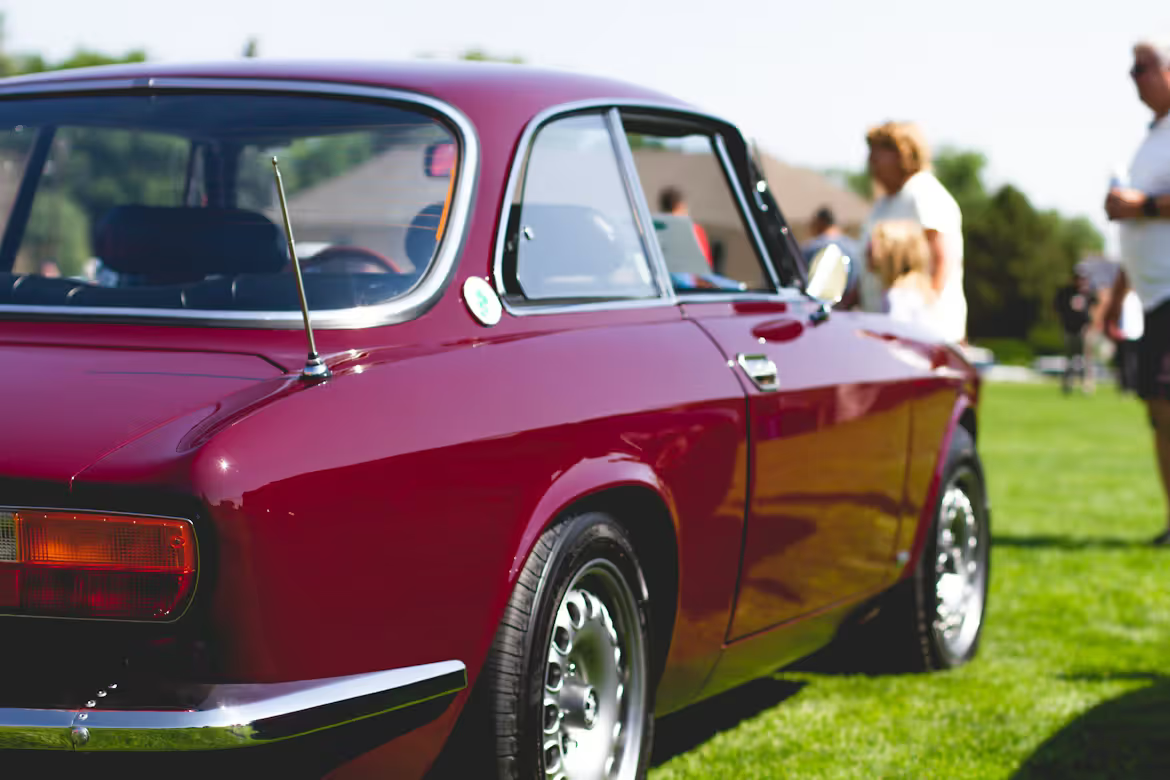
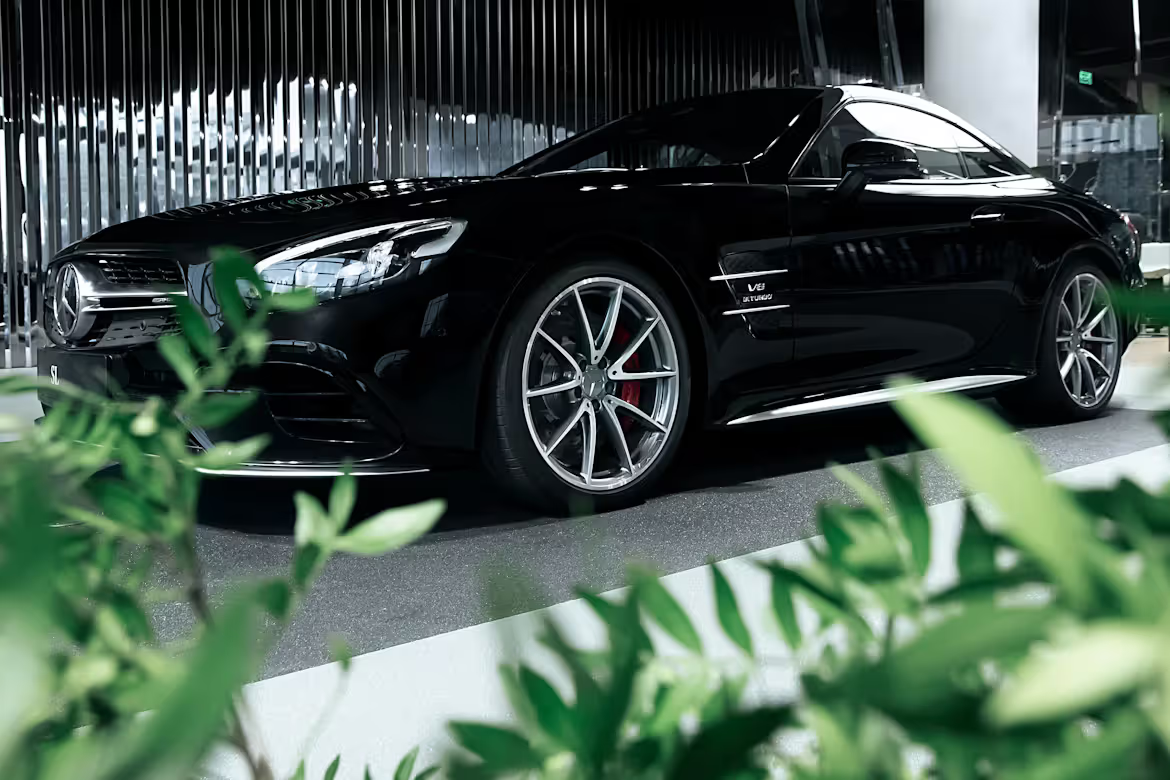
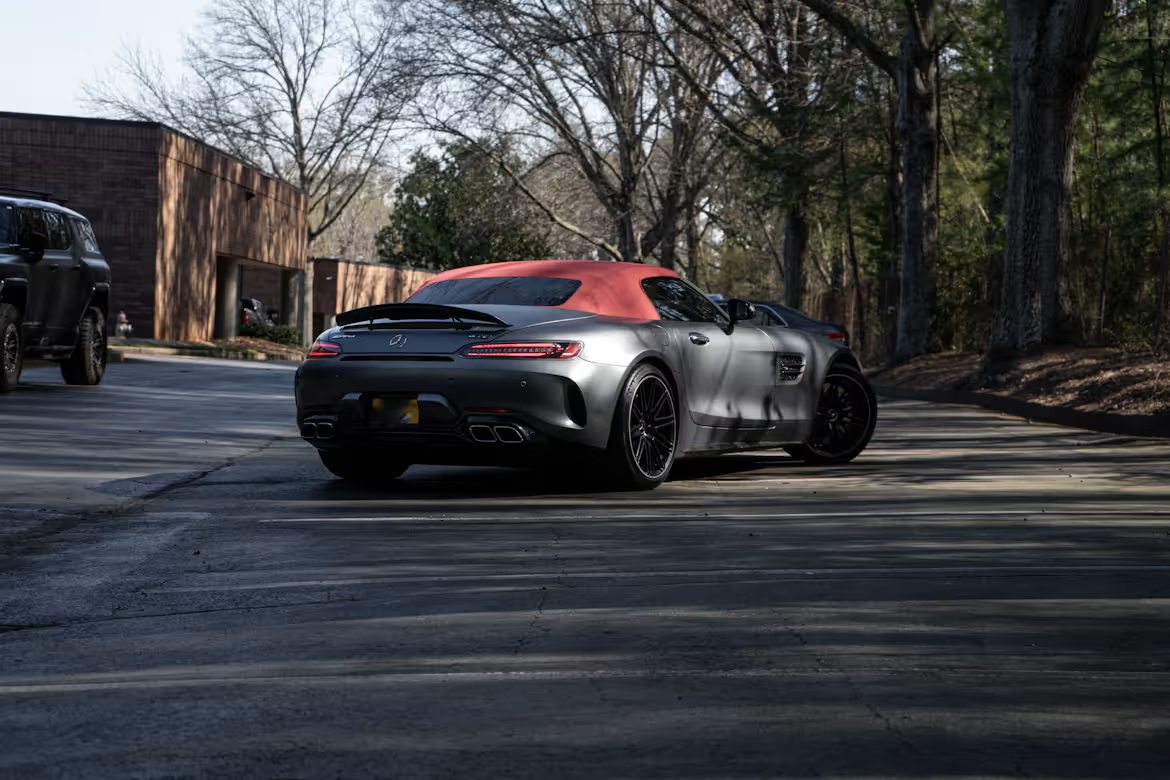
Grand touring design has developed its own visual language over time. Long proportions, elegant rooflines, carefully shaped cabins, and generous bodywork have traditionally communicated the ability to cover great distances with confidence.
Unlike an aggressive track-focused automobile, a GT often uses restraint as part of its character. Its design can suggest performance without relying on excessive aerodynamic elements or dramatic visual details.
The proportions themselves communicate purpose.
A long bonnet can suggest effortless power. A sweeping roofline can create a sense of movement even when the car is stationary. A carefully shaped rear section provides space for luggage while maintaining visual balance.
As technology evolved, aerodynamic requirements became increasingly important, but designers continued to integrate these features into elegant shapes.
The finest GTs demonstrate that performance does not always need to look aggressive.
Luxury Becomes Part of Performance
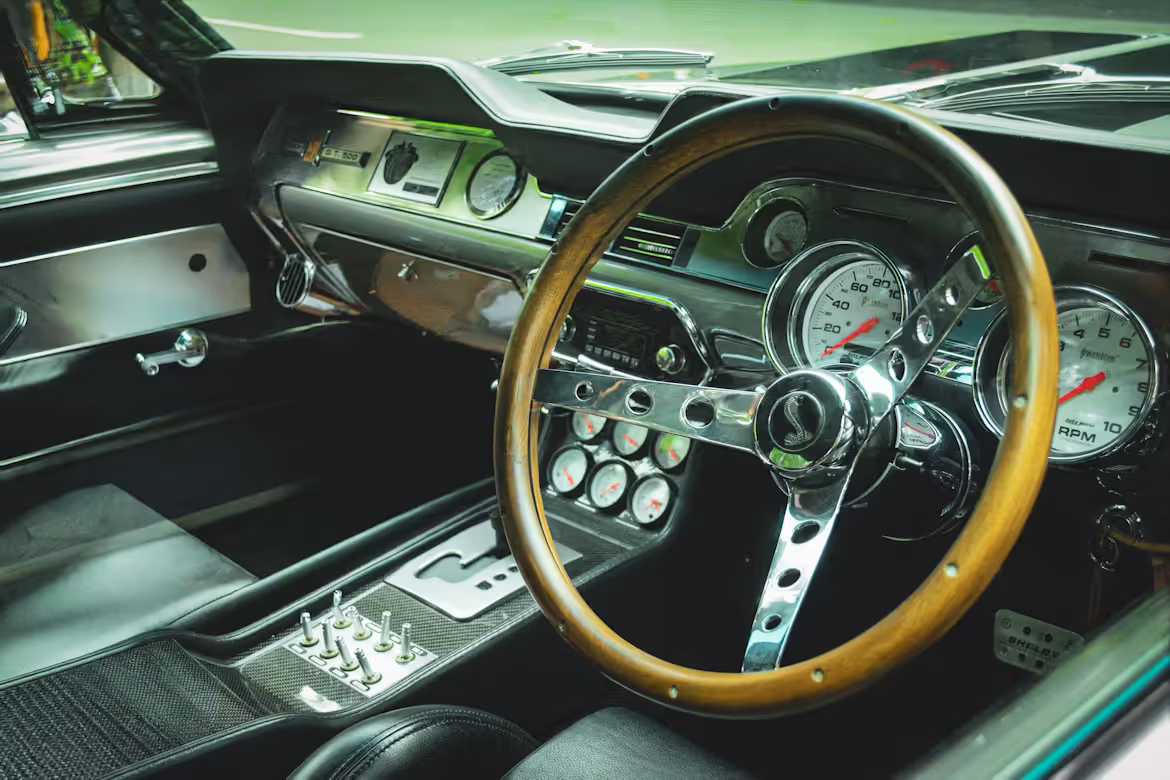
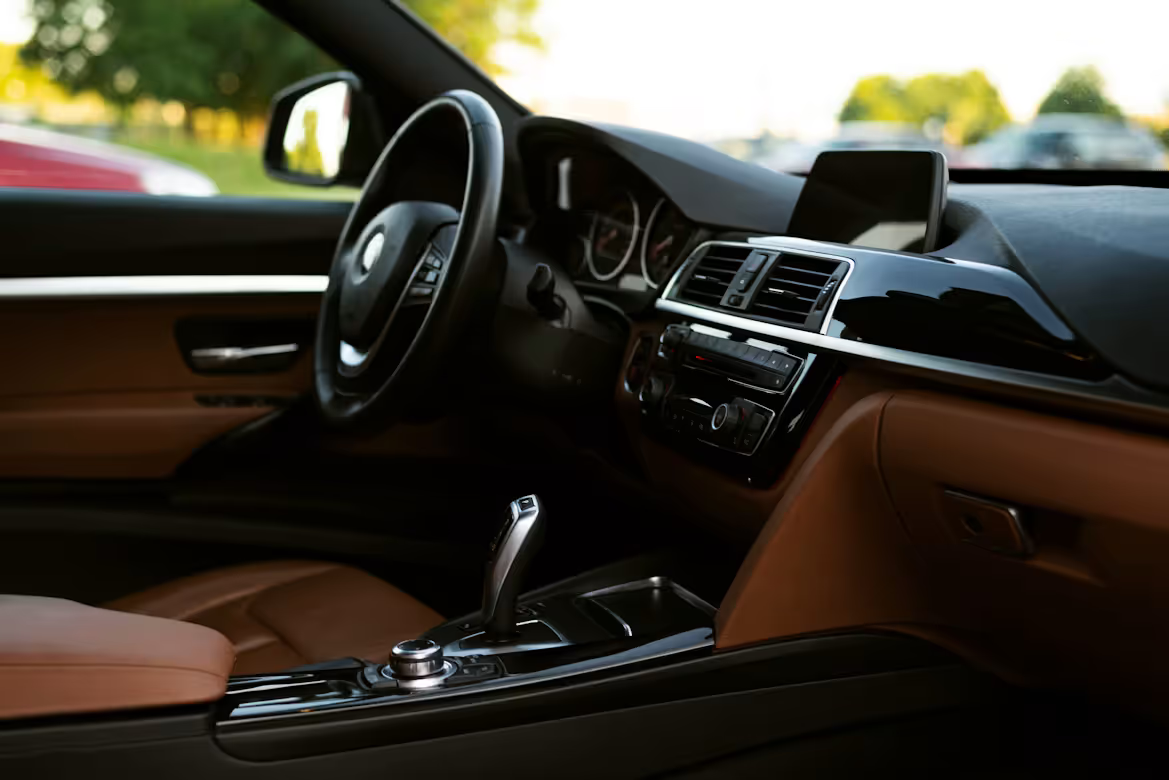
As grand touring evolved, luxury became increasingly important to the driving experience. Earlier GT cars already offered comfortable cabins and refined interiors, but modern examples have transformed the concept through advanced materials, sophisticated climate control, improved seating, and carefully engineered acoustic environments.
Yet luxury in a grand tourer is not simply about adding more features. The best GT interiors are designed around the journey. Controls are positioned naturally, seats provide support over long distances, and materials are selected to create an environment that feels special without becoming distracting.
Leather, metal, wood, carbon fibre, and technical fabrics can all contribute to the character of a cabin. What matters most is how these elements work together.
The result should feel luxurious without losing the sense that the automobile was designed to be driven.
"A great grand tourer doesn't ask you to choose between comfort and performance. It makes both feel effortless."
Technology Makes Distance Easier
Modern technology has changed the way grand tourers approach long-distance travel. Adaptive suspension can adjust to changing road surfaces, while advanced navigation systems help drivers plan complex journeys with greater confidence.
Driver-assistance systems can reduce fatigue during long highway sections, while sophisticated climate and seating systems maintain comfort throughout the journey. At the same time, modern powertrains deliver increasingly effortless performance.
These technologies are most effective when they remain in the background. A grand tourer should not feel like a collection of systems competing for attention. Instead, technology should quietly remove the inconveniences associated with travelling long distances.
That philosophy represents an important evolution of the GT.
The Electric Grand Tourer
Electrification is introducing one of the most significant changes to the grand touring formula. Electric powertrains naturally offer several characteristics that suit long-distance luxury driving, including smooth acceleration, immediate torque, and low mechanical noise.
The absence of a traditional engine soundtrack creates a different type of atmosphere. Instead of mechanical noise dominating the cabin, designers can focus on acoustic refinement, materials, and the surrounding environment.
Battery technology also creates new possibilities for vehicle packaging. A low-mounted battery can contribute to a low centre of gravity, while electric motors provide flexibility in how power is delivered to the wheels.
There are still challenges, particularly around charging infrastructure and battery weight. However, as these technologies mature, electric GT cars are becoming increasingly capable of delivering the combination of refinement and performance that has traditionally defined the category.
The powertrain may change, but the grand touring philosophy remains intact.
Why the GT Philosophy Survives
The enduring appeal of the grand tourer comes from its versatility. A GT can be a luxury automobile during a long motorway journey, a performance car on a winding road, and a comfortable companion when exploring unfamiliar places.
That versatility is increasingly valuable in a world where people expect their vehicles to perform multiple roles. A specialised track car may deliver greater performance, while a dedicated luxury sedan may provide more space, but the grand tourer occupies a unique middle ground.
It asks a simple question:
Can one automobile make every part of the journey enjoyable?
The best examples continue to answer yes.
The Future of Grand Touring
Future GT cars will likely become quieter, more efficient, more connected, and increasingly electrified. Yet their success will continue to depend on the same qualities that defined the earliest grand tourers: comfort, performance, elegance, and the ability to make long-distance travel feel special.
Technology will change how these qualities are delivered. Electric motors may replace traditional engines, digital interfaces may replace some physical controls, and advanced assistance systems may reduce the effort required from the driver.
But the fundamental experience will remain familiar.
A beautiful road.
A capable automobile.
And enough time to enjoy both.
Conclusion
The grand touring car has survived because its philosophy is remarkably simple. It combines the excitement of performance with the comfort required for meaningful journeys, creating an automobile that is equally at home on a mountain road or a long stretch of highway.
From elegant early touring coupes to sophisticated modern GTs, the category has continually adapted to changing technology and expectations. Electrification represents its latest transformation, offering new possibilities for quietness, efficiency, and effortless performance.
Yet the purpose remains unchanged.
A great grand tourer does not simply transport its occupants from one place to another. It turns the distance between those places into part of the experience.
And that is why the grand tourer remains one of the most enduring ideas in automotive design.
Discover the cars, designs, and ideas that have shaped the history of performance and luxury motoring.
About the Writer

Isabelle Fontaine
Automotive Heritage Editor covering collector cars, automotive history, concours events, and the iconic vehicles that continue to influence generations of enthusiasts.
Discussion
More from this issue.
Why Suspension Is the Hidden Foundation of Performance.
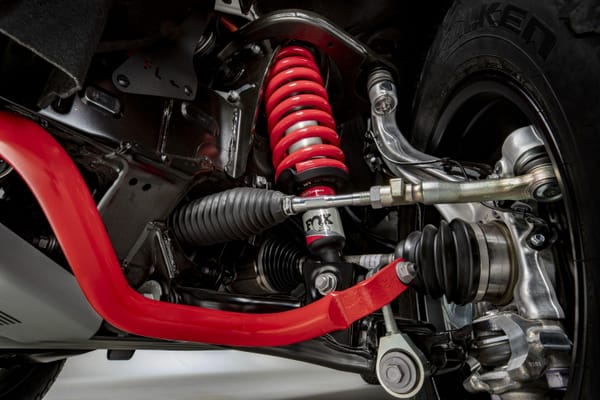
Suspension rarely receives the attention given to engines or aerodynamics, yet it determines how effectively a performance car connects its power, tyres, and driver to the road.
 James Villiers
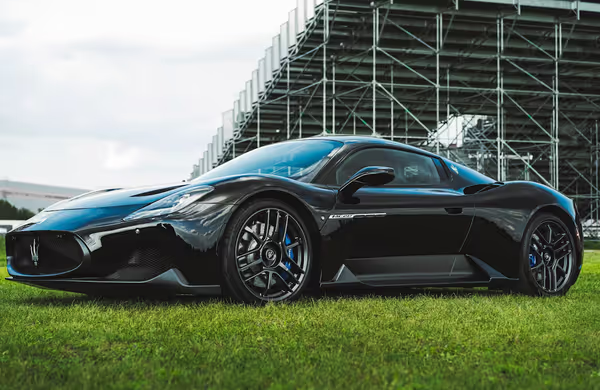
Why the Mid-Engine Layout Changed Performance Cars Forever.
The mid-engine layout transformed the way performance cars distribute weight, manage traction, and approach high-speed handling, becoming a defining architecture of the modern supercar.
 Marcus Chen
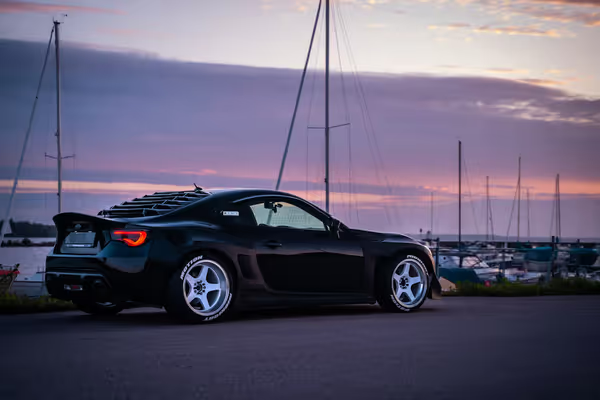
The Art of Automotive Photography.
Automotive photography transforms machines into visual stories, capturing design, movement, atmosphere, and the emotions that surround exceptional cars.
 Sophia Harrington
· Printed in pixels, with care.